
As Michigan Outbreak Soars, Wisconsin Logs 160 Cyclospora Cases
More than 10,000 infected in Michigan while Wisconsin sees sharp increase but no defined outbreak yet.
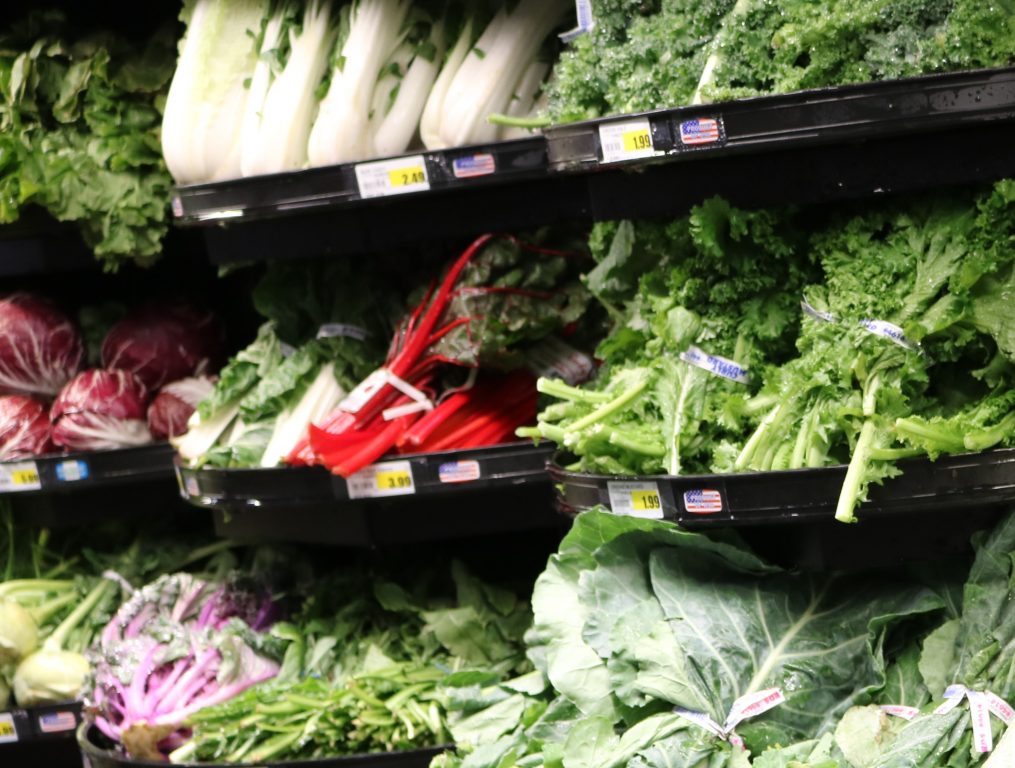
A Michigan cyclosporiasis outbreak was linked to lettuce. Photo by Sophie Bolich.
A parasitic disease that causes intense intestinal distress has now infected 160 people in Wisconsin, according to the state Department of Health Services.
The rising infection numbers come as a Michigan outbreak of the disease cyclosporiasis linked to lettuce has infected more than 10,000.
Cyclosporiasis comes from a tiny parasite called cyclospora, often infecting humans in the spring and summer through contaminated water or food. The disease often spreads through produce, such as lettuce or raspberries.
It causes diarrhea and stomach pain and has been reported in multiple states. Federal officials are logging hundreds more cases than last year.
As of July 29, Wisconsin’s DHS had reported a total of 160 known cases and three hospitalizations.
That’s up from 35 cases reported statewide as of July 9. That figure was already double the number of cases reported around July 9, 2025, according to state data.
However, authorities say there are no current active cyclospora outbreaks in Wisconsin.
“Cyclosporiasis is rare in Wisconsin and the United States,” DHS said.
Investigators have not identified a common food product causing Wisconsin’s cases of the illness.
Infections come with distressing symptoms
Stomach cramps, watery diarrhea, loss of appetite, weight loss, fever and nausea are all common symptoms of cyclosporiasis, according to the Centers for Disease Control and Prevention. Fatigue is another common indication of the disease.
Symptoms can come in waves, where the afflictions seem to disappear only to show up again later.
Many cyclosporiasis cases in the U.S. stem from foods imported from developing nations or from people traveling internationally, according to state health officials.
“Fifty of the confirmed cases did not report traveling outside the United States during the 14 days prior to symptoms starting and are domestically acquired infections,” state officials wrote wrote in their Wednesday update.
Most cyclosporiasis cases are sporadic and in healthy adults, the symptoms may last weeks or up to three months, Dr. David McNamara, infectious disease doctor at Emplify Health by Gundersen in La Crosse, previously told WPR.
It can also be harder to treat, especially for those with weakened immune systems, the elderly or children, according to McNamara.
If a person does become infected, cyclosporiasis can be treated with antibiotics. Rest and plenty of fluids are important for treating diarrhea, according to DHS officials.
Protect yourself
Doctors, state and federal officials agree the best protection against cyclospora is to wash your produce thoroughly.
DHS experts say to wash your hands well with soap and water before making a meal, and to wash all fruits and vegetables under running water before eating, cutting or cooking them.
Also, some experts suggest throwing away outer leaves from a head of lettuce, and scrubbing fruits and vegetables.
McNamara said the safest way to prepare fruits and vegetables for those with a risk for severe illness is to cook them. He also advised switching to other types of produce and avoiding fresh berries and leafy greens.
Medical experts also advise washing all cutting boards, dishes, silverware and counters after preparing food.
Wisconsin now has 160 cases of parasitic stomach illness as cases grow nationwide was originally published by Wisconsin Public Radio.
If you think stories like this are important, become a member of Urban Milwaukee and help support real, independent journalism. Plus you get some cool added benefits.