
Homicides Down 30% in Milwaukee in First Half of 2026
Mayor Johnson says the city is a 'safer community.'
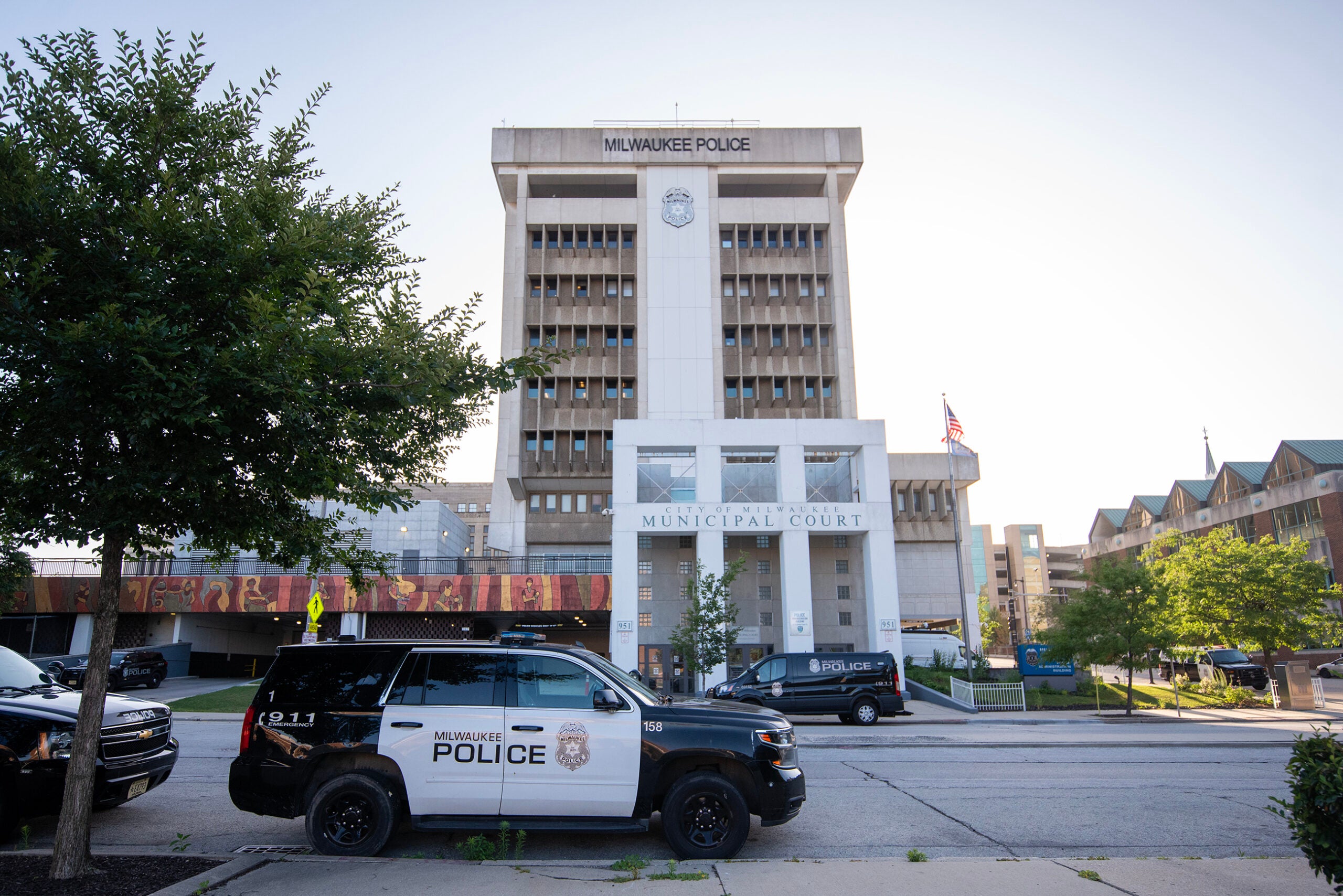
The Milwaukee Police Administration building Wednesday, July 23, 2025, in Milwaukee, Wis. Angela Major/WPR
Milwaukee’s murder rate is falling sharply this year.
Homicides were down 30 percent during the first half of 2026 compared to the same period last year, according to crime statistics from the Milwaukee Police Department. It’s a welcome turnaround from 2025, when homicides increased by 7 percent from the previous year, going against national trends.
There were 49 homicides from January through the end of June in the city, compared to 70 at that same time in 2025 and 62 in 2024. During a press conference Tuesday, Milwaukee Mayor Cavalier Johnson said, “no organization, no unit of government, no division of government can do it alone.”
“It takes everybody, and I think that folks here in Milwaukee are listening to that message, they’re heeding that message, and they’re being our partners in order to help to produce a safer city,” Johnson said.
Part 1 crimes — or crimes like homicides, robberies, aggravated assaults, thefts and burglary — were collectively down 7 percent in the first half of 2026 in Milwaukee. Nonfatal shootings are down 28 percent so far this year compared to last year, according to the crime statistics.
Johnson said he believes the city is a “safer community.” He also pointed to “good police work,” crime prevention work and community partnerships and collaborations as reasons behind the decline.
“Community groups, youth-serving agencies, churches, all of them are part of the process,” Johnson said.
The murder rate is also dropping across the nation. Data from The Crime Index from AH Datalytics found that murders were down 18.7 percent from January through April of 2026 compared to that same time last year.
One crime analyst predicted that 2026 may have the lowest murder rate recorded in the United States.
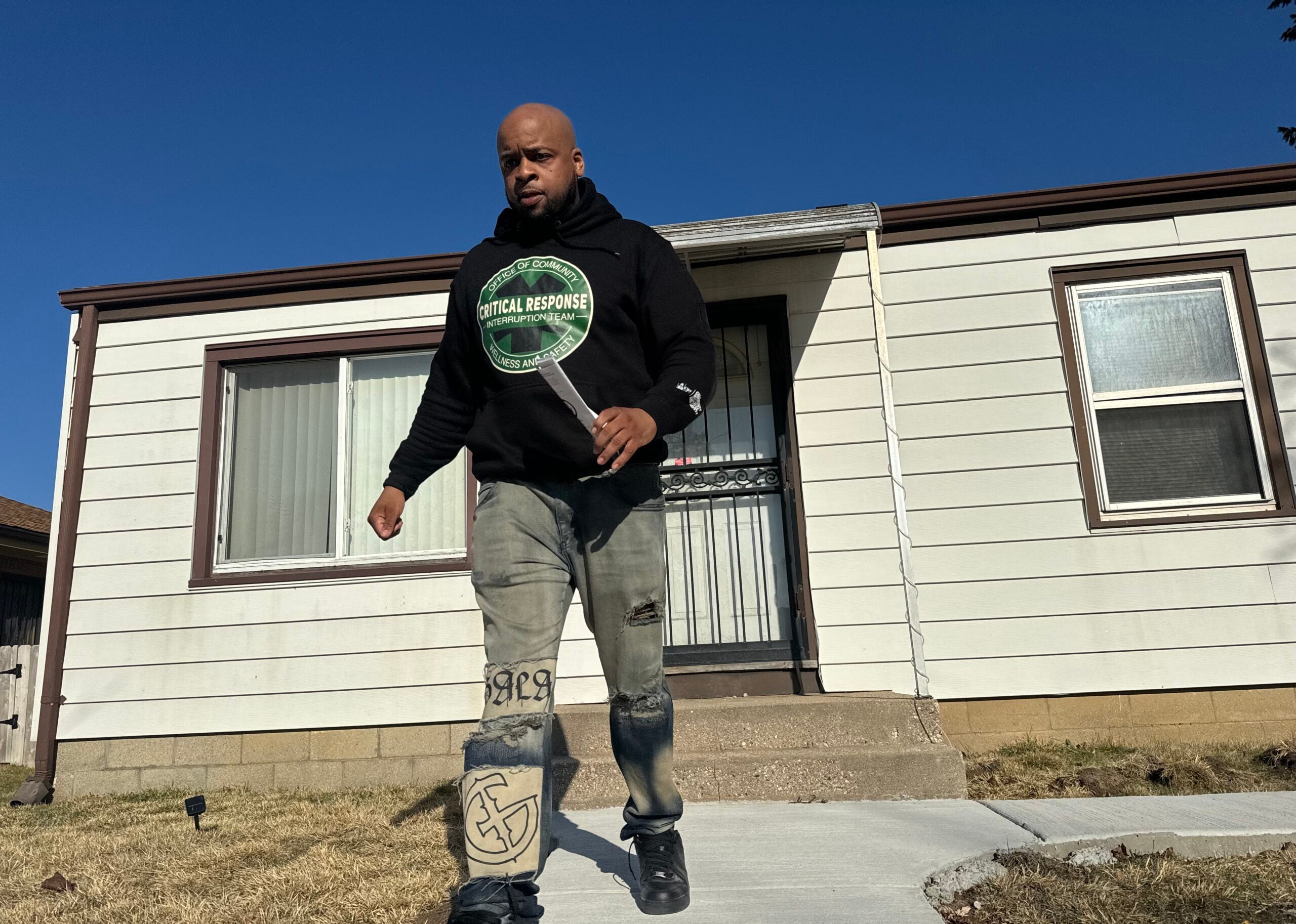
Stephen Hopkins with Milwaukee’s Critical Response Team hands out brochures following a recent shooting on the city’s north side. Evan Casey/WPR
Karin Tyler, the director of the city’s Department of Community Wellness and Safety, said during the second quarter of the year, teams with the department had, “successfully mediated 62 conflicts before they escalated into further violence.”
In some situations, Tyler said staff with the department connects with families after a homicide to try and prevent an act of retaliation. “We try to get to the family before they decide to retaliate against the other family,” she said.
“Every shooting prevented, every conflict peacefully resolved, every family connected to support, and every young person given a safe place to belong is evidence that this work matters,” Tyler said.
She also pointed to peace walks and the department distributing security cameras and gun storage devices as other reasons behind the drop in violent crime.
Community activist Tracey Dent also said he believes there is a “collaborative effort” to keep violent crime down in the city.
“It’s not just the police department, not just safety and wellness, or any activists, it’s all of us working together that’s making a difference, and community members,” Dent said.
Still, Dent said more work needs to be done.
“In certain areas of the city … you have people that hear gunshots every night, regardless of if (homicides are) up or down,” Dent said.
Milwaukee Police Chief Jeffrey Norman also said too many shootings in the city are occurring over “petty disagreements.”
“I am begging you to have conversations with one another about handling conflict, personal disagreements,” Norman said during Tuesday’s press conference.
Homicides down 30 percent in Milwaukee during first half of 2026 was originally published by Wisconsin Public Radio.
If you think stories like this are important, become a member of Urban Milwaukee and help support real, independent journalism. Plus you get some cool added benefits.
Political Contributions Tracker
Displaying political contributions between people mentioned in this story. Learn more.