High Court Hears New Clash Over Lame Duck Limits On AG’s Power
Case could decide whether settlement money fills the state’s general fund or stays under DOJ control.
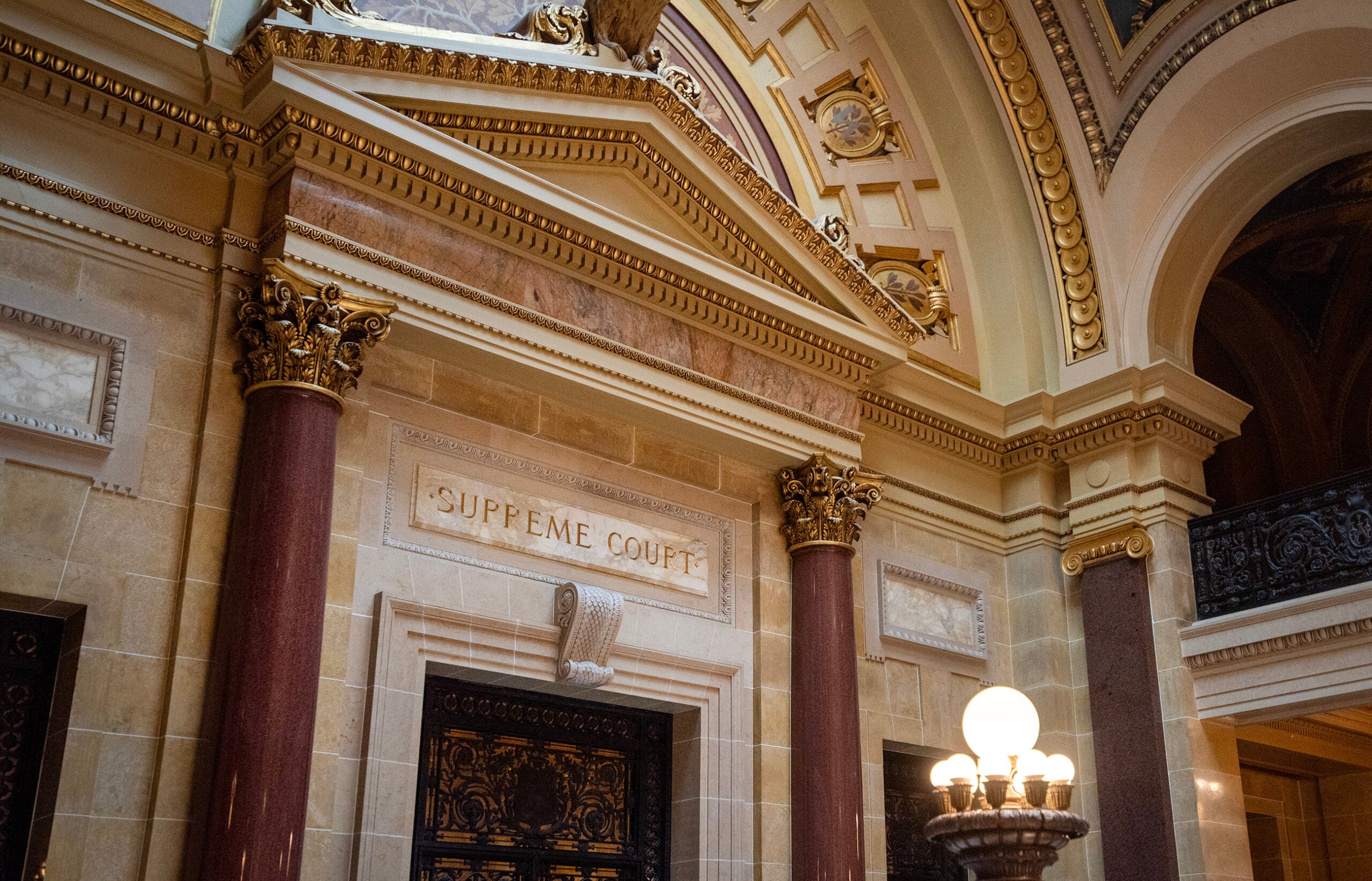
The interior of the Wisconsin State Capitol on Monday, July 14, 2025, in Madison, Wis. Angela Major/WPR
In the latest chapter of a long-running dispute between the Republican-controlled Legislature and the state’s Democratic attorney general, the Wisconsin Supreme Court heard arguments Wednesday over which side controls money from multi-state settlements.
Wednesday’s arguments are the latest in a series of challenges to Republicans’ “lame duck” laws enacted just before Democratic Attorney General Josh Kaul and Democratic Gov. Tony Evers took office in 2019. The laws limited the powers both men would have when they began their terms.
One of the laws’ provisions required any money coming to Wisconsin from multi-state lawsuits to be deposited in the state’s general fund. In 2021, the Legislature sued Kaul, arguing he was illegally depositing settlement money into an account he controls.
A Polk County Circuit Court judge sided with Kaul and the case was appealed. Wisconsin’s 2nd District Court of Appeals reversed that decision in 2024 in a decision written by conservative Judge Maria Lazar, who is now running for a seat on the Supreme Court. Kaul petitioned the Supreme Court to review the case in January.
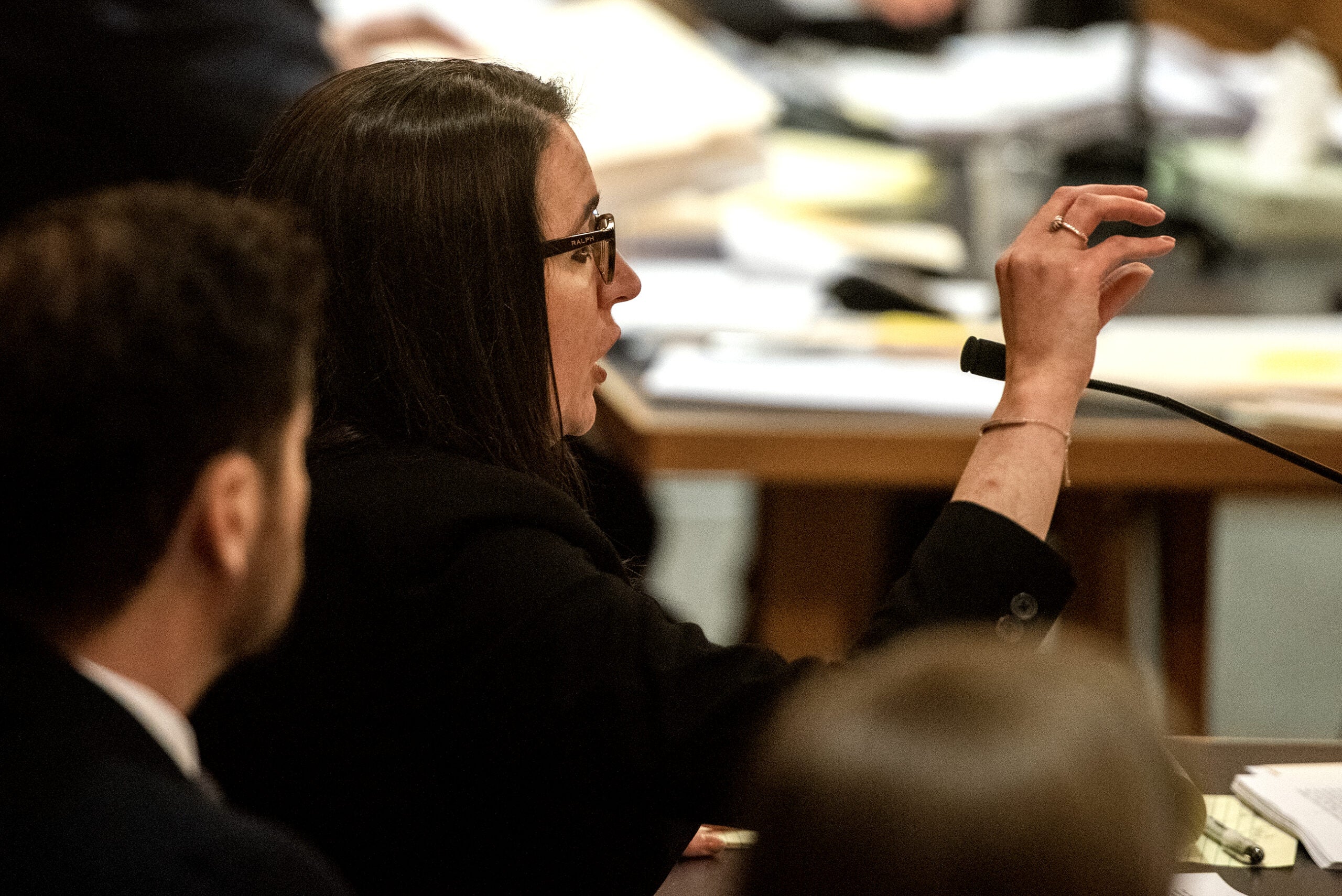
Assistant attorney general Hannah Jurss appears in court to discuss a lawsuit over Wisconsin’s abortion ban Thursday, May 4, 2023, at the Dane County Courthouse in Madison, Wis. Angela Major/WPR
Standing before the court Wednesday, Assistant Wisconsin Attorney General Hannah Jurss told justices that Kaul has been following the 2018 law, which allows the DOJ to deposit settlement funds into the state treasury and credit them to various programs. She said the Legislature’s argument has changed over the years to now claim the Wisconsin Department of Justice can’t use settlement money to pay state attorneys fees.
“There are now monies sitting there that are left to the attorney general’s discretion that the attorney general cannot spend,” Jurss said.
But multiple justices seemingly took issues with Jurss’ argument. Liberal Justice Susan Crawford, who joined the court last year, said the DOJ was interpreting the 2018 law “pretty broadly, as almost a catch-all for all proceeds.” Conservative Justice Rebecca Bradley, who is not running for reelection in April, said she struggled to see whether Kaul thinks any money should go to the state’s general fund.
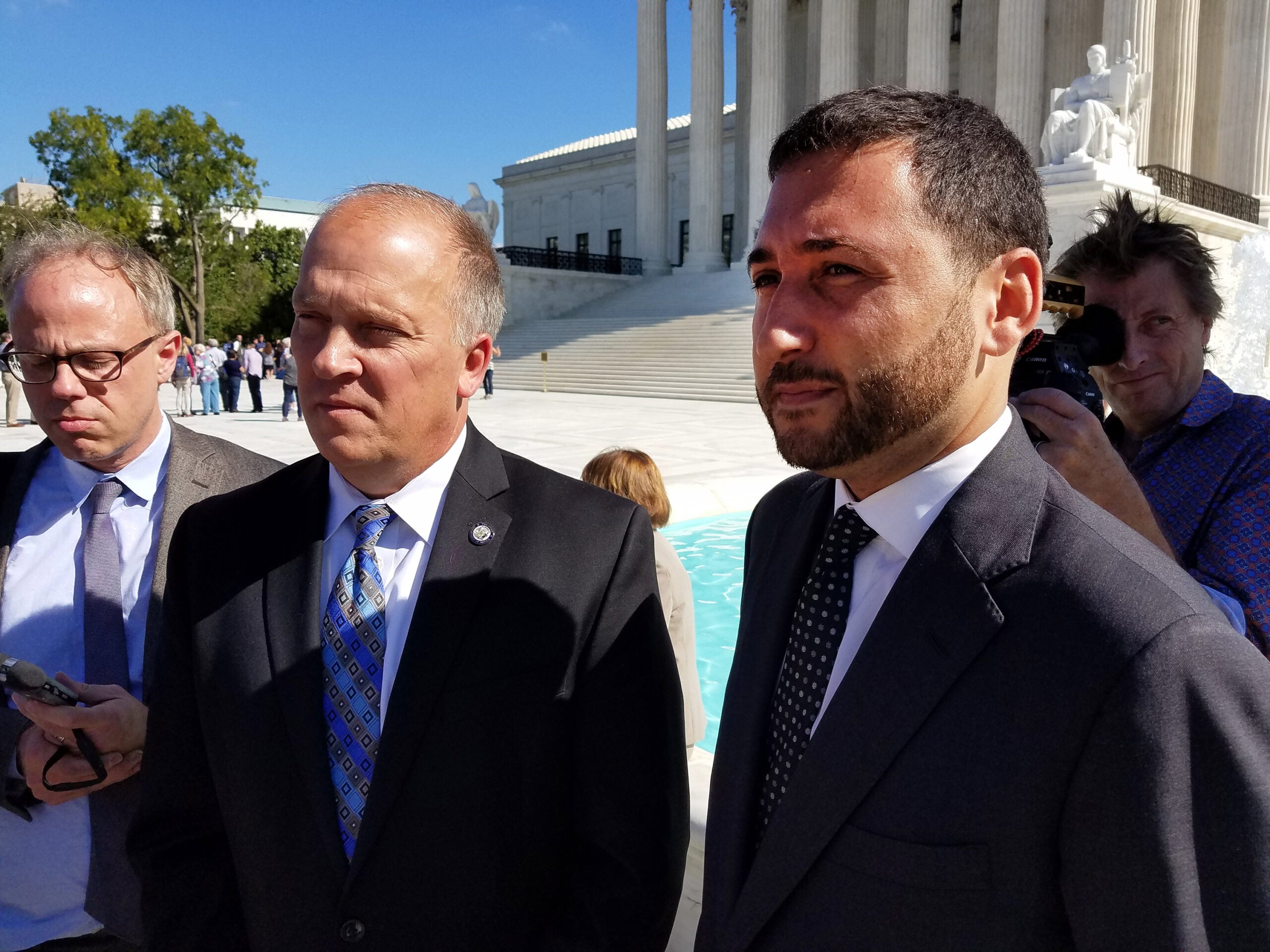
Former Wisconsin Attorney General Brad Schimel, left, and former Wisconsin Solicitor General Misha Tseytlin outside the U.S. Supreme Court on in Washington, Tuesday, Oct. 3, 2017. Shawn Johnson/WPR
Representing the Legislature, attorney Misha Tseytlin argued the 2018 statute, when read in conjunction with a previous law, clearly shows settlement money should go into the state’s general fund and doesn’t allow the DOJ to move it to other accounts without lawmakers’ approval.
Tseytlin worked at DOJ as state solicitor general under former Republican Attorney General Brad Schimel, who preceded Kaul. The lame duck law passed in 2018 also eliminated that position and made it easier for the Legislature to hire private attorneys, like him, to represent them.
It’s unclear where the court will ultimately land on the settlement funds issue, but justices have already struck down a different portion of the lame duck law from 2018 that took away Kaul’s ability to resolve lawsuits without legislative approval. Last year, the Supreme Court issued a unanimous decision arguing the attorney general has authority over civil enforcement actions.
Wisconsin Supreme Court hears arguments in political struggle over state settlement funds was originally published by Wisconsin Public Radio.
If you think stories like this are important, become a member of Urban Milwaukee and help support real, independent journalism. Plus you get some cool added benefits.
More about the Lame Duck Laws
- High Court Hears New Clash Over Lame Duck Limits On AG’s Power - Rich Kremer - Mar 12th, 2026
- Supreme Court Hears Case on Legislature’s Power - Sarah Lehr - Apr 3rd, 2025
- Four Years Later, State’s Lame Duck Law Still Faces Court Challenge - Shawn Johnson - Jan 17th, 2023
- Judge Rules Against Law Giving Legislators Power Over Attorney General Settlements - Shawn Johnson - May 11th, 2022
- State Supreme Court Dismisses AG’s Lame-Duck Lawsuit - Ruth Conniff - Mar 25th, 2021
- Kaul Sues Legislature Over Lame Duck Laws - Melanie Conklin - Nov 24th, 2020
- AG Kaul Announces Legal Action to Allow DOJ to Again Enforce Wisconsin Laws Without Unconstitutional Legislative Interference - Josh Kaul - Nov 23rd, 2020
- Vos Thinks Lame-Duck Session Didn’t Go Far Enough - Melanie Conklin - Jul 31st, 2020
- The State of Politics: Court Rulings Against Evers Sow Confusion - Steven Walters - Jul 20th, 2020
- Court Tosses Dems’ Lame-Duck Suit - Laurel White - Jul 16th, 2020
Read more about Lame Duck Laws here