

Silver Spring Sentry is Closing
Latest in a string of grocery closings in the city, worsening food deserts.
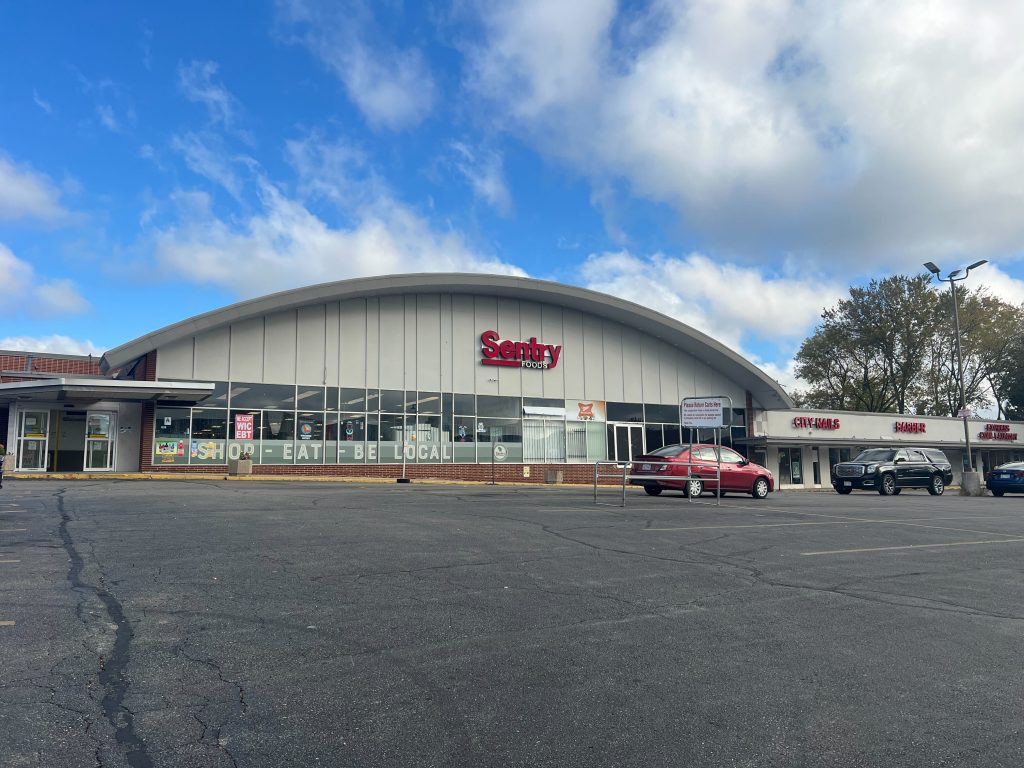
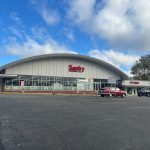
Sentry Foods, 6350 W. Silver Spring Dr. Photo by Jeramey Jannene.
Another northside grocery store has announced its upcoming closure, continuing a string of shutdowns raising alarms among residents and city leaders.
Sentry Foods will cease operations at 6350 W. Silver Spring Dr., according to signage posted at the store over the weekend. An exact date has not been announced.
The latest development follows Aldi’s Jan. 11 closure at 5301 N. Hopkins St., which drew criticism from area Alderwoman Andrea Pratt, and Pick ‘n Save’s exit from locations at 2355 N. 35th St. and 1735 W. Silver Spring Dr., in Glendale, over the summer. Another store, Sherman Park Grocery, recently issued a plea for community support, warning of imminent closure without immediate action.
Neighbors and elected officials have protested the trend, warning of widening food deserts.
“We deserve access to quality, affordable groceries within our own community,” Alderman Russell W. Stamper, II shared in response to the Pick ‘n Save closures. He called the departure “more than just a business decision,” saying it “leaves a real void in the daily lives of countless families.”
Sentry Foods opened in 2023 to great fanfare, with Mayor Cavalier Johnson calling it “a major development for the residents of the area.” However, the store changed hands just months later when Viral Patel took over ownership from original proprietor Bharat Bansal.
A current license application lists Patel, a Germantown resident, as 100% owner. When reached by Urban Milwaukee, Patel declined to comment, but said “the city is well aware of the plan.”
The store is located in Alderman Mark Chambers, Jr‘s district.
Sentry Foods did not respond to a request for more information. The phone number for the Silver Spring Drive store has been disconnected.
Sentry Foods occupies a 14,000-square-foot space within a larger, strip mall-style building. The site was once home to a Kohl’s Food Store, which later became MKE Food Market. The independently-owned food store closed in 2019 after “complaints about food quality,” according to a news release.
Sentry operates nine stores throughout the state, including the soon-to-close Silver Spring location and additional Milwaukee outlets at 7101 W. Lisbon Ave. and 9210 W. Lisbon Ave. Neither are owned by Bansal or Patel.
Update: a previous version of this article referenced a different alderperson
Existing members must be signed in to see the interactive map. Sign in.
If you think stories like this are important, become a member of Urban Milwaukee and help support real, independent journalism. Plus you get some cool added benefits.
Political Contributions Tracker
Displaying political contributions between people mentioned in this story. Learn more.


















Wow. I know that there are a few SENTRY stores left…but talk about a name out of the past. Almost every neighborhood had one when I was a kid.. Surprised to see this one went into an old KOHLS store. As kids growing up, Godfrey company, Crestwood Bakery, and the Silver Buckle coffee that was once roasted in downtown Milwaukee brings back a lot of good memories.
Food deserts will remain as long as the entitled culture continues to take whatever they want without paying. Folks who reside in these areas need to educate each other that not every business is as lax as MCTS. Businesses need to make a profit. I feel for those honest folks willing to purchase what they need who will be affected by the mindset of their entitled neighbors.
What is the reason for closure? Building needs repair and maintenance in excess of what can be reasonably done? Poor selection and quality of foods available? Theft and unsafe environment? How can this food desert be remedied? About 20% of county residents live in such areas, which is unacceptable! I asked AI to come up with some strategies that other communities are finding effective. But before I reproduce that below, one tangential question:
Does this one building closure represent an opportunity for new senior center location to replace McGovern on the northwest side?
Here’s what AI told me:
“Here are some novel ideas to overcome food deserts based on recent initiatives:
1. Technology-Driven and Mobile Solutions
Mobile Grocery Stores and Markets: Refrigerated vehicles, such as the “Mobile Grocer” in Memphis or “Fresh Moves” in Chicago, deliver fresh, nutritious food directly to underserved neighborhoods.
Bus Stop Farmers Markets: Placing pop-up farmers markets at public transportation hubs (e.g., in Dayton, Tampa, Atlanta) allows commuters to purchase fresh,, affordable food conveniently on their way home.
Ride-Sharing Partnerships: Programs like Lyft’s Grocery Access program partner with non-profits to provide discounted rides to grocery stores for residents in food deserts.
E-Commerce and Subscription Boxes: Utilizing apps to allow residents to pre-order food for delivery to convenient, centralized, or communal locations.
2. Urban Agriculture and Innovative Farming
Edible Landscaping and Urban Gardens: Converting vacant lots, rooftops, or median strips (like the Ron Finley Project in Los Angeles) into community gardens provides hyper-local access to fresh produce.
Hydroponic and Vertical Farming: Utilizing, shipping containers or unused buildings for indoor, year-round, high-yield food production in urban centers.
“Food as Medicine” Programs: Healthcare organizations prescribing fresh produce to patients with diet-related diseases and providing, direct, access to that food through partnerships with local, producers.
3. Community-Owned and Non-Profit Retail
Worker-Owned Cooperatives: If chain stores won’t enter a neighborhood, communities are starting their own,, such as the Renaissance Community Co-op in North Carolina, which provides jobs and, fresh, food.
Non-Profit/Municipality-Owned Supermarkets: Similar to the, model, in, Baldwin, Florida,, these stores focus on covering costs rather than making profits, allowing for lower prices and better service.
Corner Store Conversions: Programs that provide incentives for local convenience stores to stock fresh fruits, vegetables, and, healthy, options.
4. Policy and Social Innovations
Dollar Store Restrictions: Cities like Birmingham, New Orleans, and Cleveland have implemented zoning restrictions to limit the density of, dollar, stores, which often displace traditional, grocery, stores.
Produce Rx Programs: Allowing doctors to prescribe fruits and vegetables, often subsidized through insurance or, grants.
Food Hubs and Food Justice Movements: Rebuilding local, food, processing, and distribution, systems, that empower, residents, to control their own food sources.
“Pop-Up” Health Food Stands: Temporary, weekend, or, evening, stands in, low-income, areas, or, near, WIC, clinics,.
These strategies often require a combination of, public, private, and non-profit partnerships, along with active, participation from local residents to ensure sustainability.
It’s time for the city alders and county supes to bring together neighbors and other stakeholders (religious, education, health care, business, etc.) in these areas to figure out how to resolve this deplorable situation and what may work here.
“I asked the slop machine to pump some slop out” wonderful. You never have to do that again.
And reason for the closure? Shareholder greed and decades of unstymied consolidation. Across every industry and field possible. Everything is at crisis right now.