Federal Infrastructure Bill Will Help State’s Maritime Economy
Wisconsin ports generate $1.4 billion in economic activity, but need infrastructure upgrades.
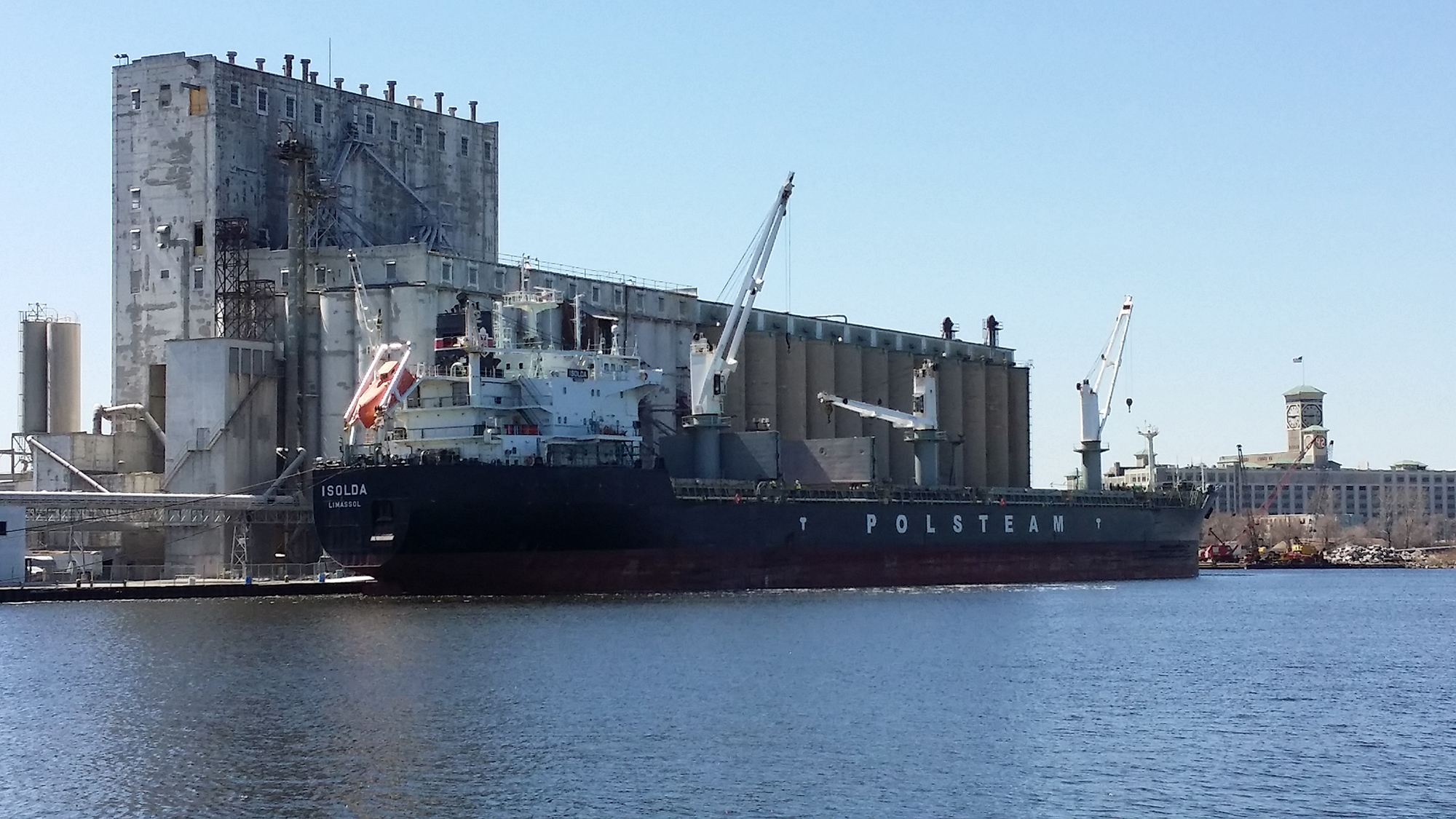
The Isolda. Photo courtesy of Port Milwaukee.
Wisconsin is home to three freshwater coasts: Lake Michigan to the east, Lake Superior to the north, and the Mississippi River to the west. The commercial ports operating on these waterfronts are hubs for economic, recreational and environmentally friendly activities.
The importance of Wisconsin’s maritime economy was made very clear in 2020. The global pandemic affected every facet of life and work, and the unprecedented nature of COVID-19 required Wisconsin ports to modify operations and adapt to new circumstances. I remain proud that frontline transportation employees stepped up and worked steadily to keep shipping activity moving.
The future of Wisconsin’s maritime industry depends on the resiliency and reliability of our transportation infrastructure. Progress has been made to improve Wisconsin’s deep-draft commercial ports and recreational harbors in recent years, but our aging infrastructure, both inland and at sea, present continued threats to our success.Historic high waters on the Great Lakes produced significant damage to port infrastructure and eroded lakefront communities. Natural variations in lake levels, exacerbated by climate change, have generated dangerous extreme weather events that are causing ongoing harm to critical infrastructure throughout the state.
This week, the U.S. House of Representatives is expected to vote on Senate-passed bipartisan legislation to rebuild our nation’s infrastructure.
I’m calling on the House to act swiftly and pass this bill. The stakes are simply too high.
Thriving port authorities and harbors with modern infrastructure deliver real results: high employment, robust domestic commerce, international trade, positive environmental impacts and a resilient economy for all.
We see it right here in Wisconsin. Our maritime economy supports thousands of jobs, creates $1.4 billion in economic activity, and induces $240 million in federal, state and local taxes annually in the Badger State.
The bipartisan infrastructure bill will invest nearly $17 billion in port infrastructure improvements that will benefit Wisconsin for decades to come and put people to work. These federal dollars are critical to upgrading port facilities and equipment, improving operations and making long-term harbor investments that will produce clean-energy jobs and grow our regional economy.The same is true when we expand sustainable transportation options through modernizing rail networks, ensuring our roads and bridges are built to last, and boosting clean-energy programs that will lower supply chain costs in the years ahead. This bipartisan bill does just that.
The legislation also directs resources to combat the immediate and growing threat of climate change through new federal remediation projects. These are essential to preserve and protect our waterways for generations to come.
Congress can assist the work of Wisconsin’s ports by making smart investments that build up maritime infrastructure, support economic growth and create clean-energy jobs.
As we recover from the pandemic, Wisconsin needs federal investment in our infrastructure so we can sustain our state’s billion-dollar shipping industry, realize new maritime economic opportunities, respect Wisconsin’s rich history of environmental stewardship and move our state forward.
Adam Tindall-Schlicht is President of the Wisconsin Commercial Ports Association and Director of Port Milwaukee.


Transportation
-
Milwaukee Plans 60 Traffic Safety Projects for 2026
 Apr 8th, 2026 by Jeramey Jannene
-
State To Reveal New I-794 Cost Estimates
 Apr 7th, 2026 by Jeramey Jannene
-
Bus Riders Can Finally Pay With Credit Card
 Apr 6th, 2026 by Graham Kilmer