

Group Pushes for Mother-Baby House for Women Inmates
Despite court order, Wisconsin prisons have no program to keep moms together with newborns.
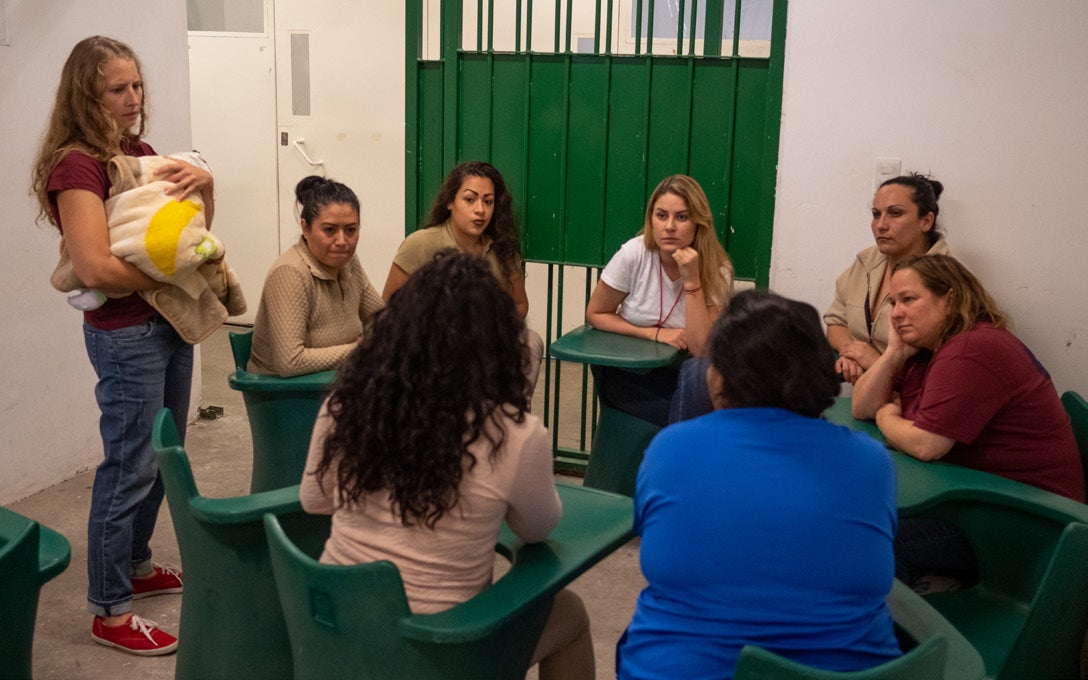
Ostara Initiative founder Erica Garrity, far left, holds a baby while she visits doulas at a prison in Mexico City where babies live with their incarcerated mothers. Photo courtesy of the Ostara Initiative
Earlier this year, a woman incarcerated in a Wisconsin prison gave birth to a healthy baby boy.
“It was beautiful. I did the best I could with what I was given,” said the woman, who spoke to WPR on the condition of anonymity because she could be penalized for speaking to a reporter.
She knew her time with her newborn would be limited. There were two prison guards present at the birth. And in Wisconsin, incarcerated women have only 24 hours with their newborns. When the mothers return to prison or jail, their children can’t come with them.
“I spent the entire time with the baby on my chest — cuddling, holding, changing, feeding my baby,” she said. “(But) I still had the gut-wrenching knowledge that 24 hours wasn’t going to last very long.”
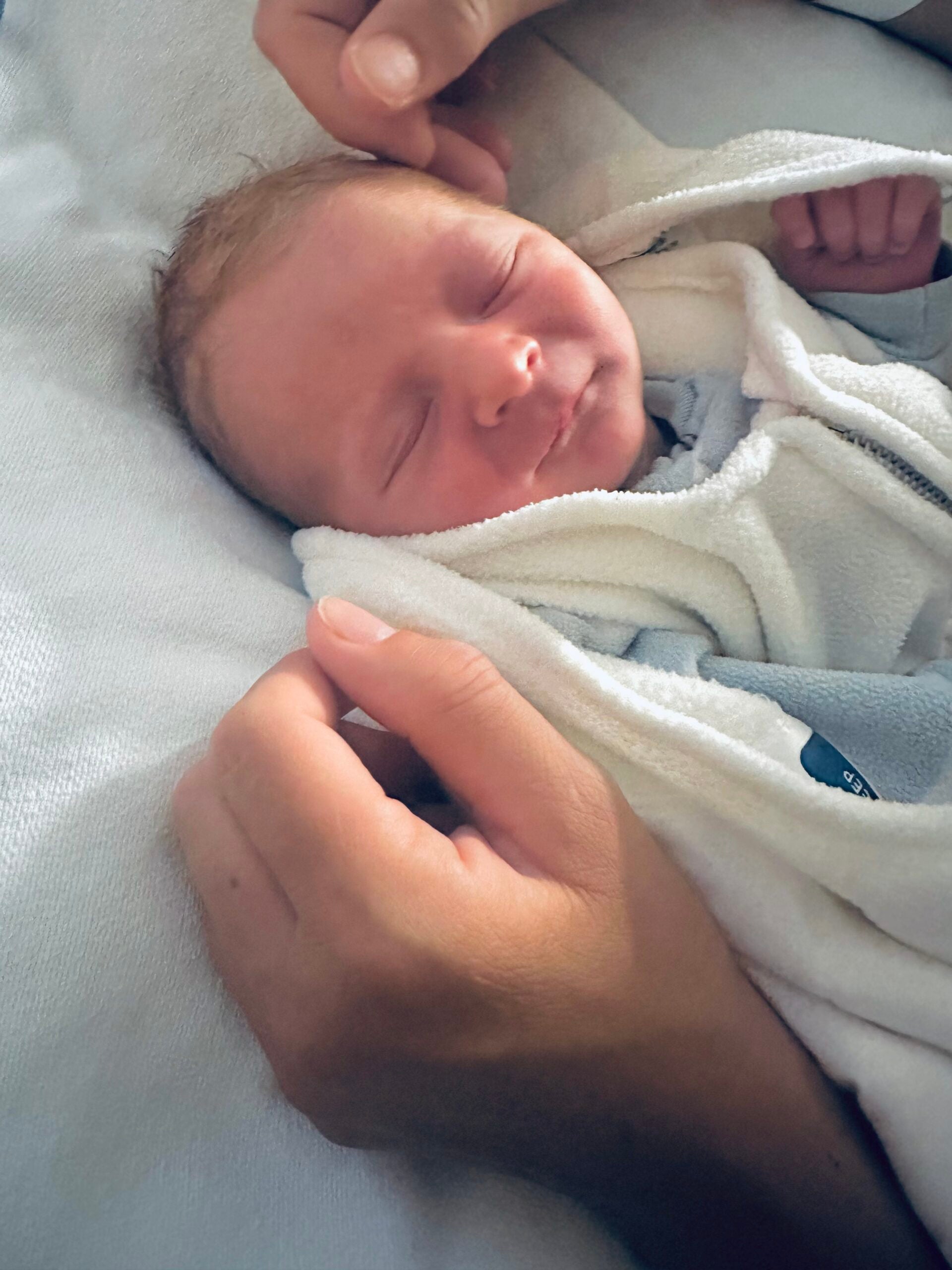
The incarcerated mother featured in this story bonds with her newborn. Photo courtesy of Erica Gerrity
Wisconsin law requires the state to offer programming that permits incarcerated mothers to have physical custody of their infants for their first year of life. But even after a judge last year ordered the state to implement a mother-young child program “forthwith,” the Wisconsin Department of Corrections hasn’t done it. The department said it has no way to accommodate newborn babies at its facilities.
Since returning to prison, the woman said she’s been experiencing feelings of profound grief and loss. She meets each week with a group of other incarcerated mothers and doulas from the Wisconsin Prison Birth Project, an organization whose goal is to advocate for women during their pregnancies, births and postpartum recovery.
“A lot of times it’s really tough to be in a group of women where there’s a whole lot of tragedy and trauma. But I still went,” she said. “It’s the only resource we have here for mothers.”
Doulas provide education, supportive community in prison
“The one thing that prison offers is more free time. Why not use it to acquire more information to make more informed decisions about your body and your baby?” said Erica Gerrity, founder and executive director of the Ostara Initiative, a Minnesota-based nonprofit that leads the Wisconsin Prison Birth Project and similar programs in five states.
During group meetings, the women learn from the doulas about fetal development, warning signs to watch for, what foods to choose from the limited canteen menu to best support their growing baby and other ways mothers can keep themselves and their babies healthy.
After giving birth, the doulas offer the women lactation support, advice for healing from the birth while incarcerated, and information about parenting and bonding with their child while separated.
Gerrity said the goal of the groups is to help participants “really invest in their pregnancies and in their infants, and take an interest in giving their baby the healthiest possible start to life, even though they are incarcerated.”
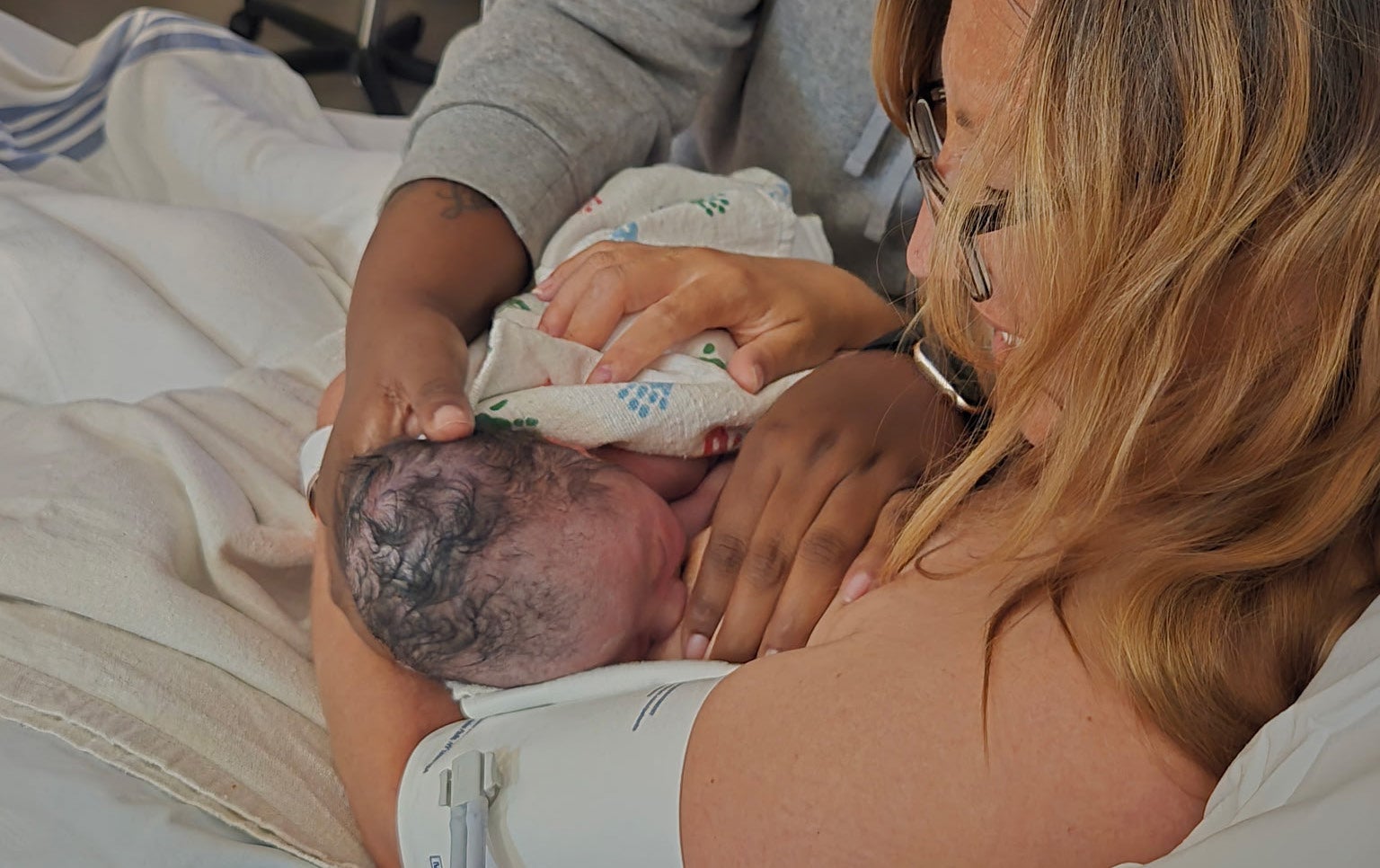
A doula with the Wisconsin Prison Birth Project helps a new incarcerated mother breastfeed her newborn. Photo courtesy of the Ostara Initiative
Group provides emotional support, advocacy — and memories
Importantly, the doulas prepare the women for a birth experience that is far from traditional.
“What many people don’t know is that incarcerated mothers give birth by themselves and have no one there,” said Shanita Lawrence, a doula with the Wisconsin Prison Birth Project who also gave birth while incarcerated.
In place of loved ones, the doulas provide emotional and physical support. That means coaching mothers on breathing and positioning, communicating with the medical professionals and simply being a comforting presence in the room.
It also means taking photos and keeping a memory of the experience. Because their children are taken away shortly after birth, incarcerated mothers who don’t have doula support often report feeling like it didn’t even happen, Gerrity said.
“We’re able to be a resource in the room that reminds everyone that, in spite of the circumstances, a life is being born here today, and it deserves to be celebrated and honored,” Gerrity said.
In the 24 hours that an incarcerated mother has with her baby, the doula can help facilitate the critical bonding between mother and child that happens immediately after birth. And, they can help support them at the moment of separation when those 24 hours are up.
“I think this is one of the most painful things that a person giving birth could experience is bonding with your child, loving your child, going through the whole process of giving birth, meeting your child for the first time, and then having to say goodbye,” Gerrity said. “(They) don’t have to go through that alone. (We) remind people that they can emotionally survive that, and there’s something on the other side of that.”
When a mother has to return to prison or jail after the separation, the group of doulas and mothers offer one another emotional support. Together, they journal, make art, share stories and even record messages for their children so that they stay present in their lives.
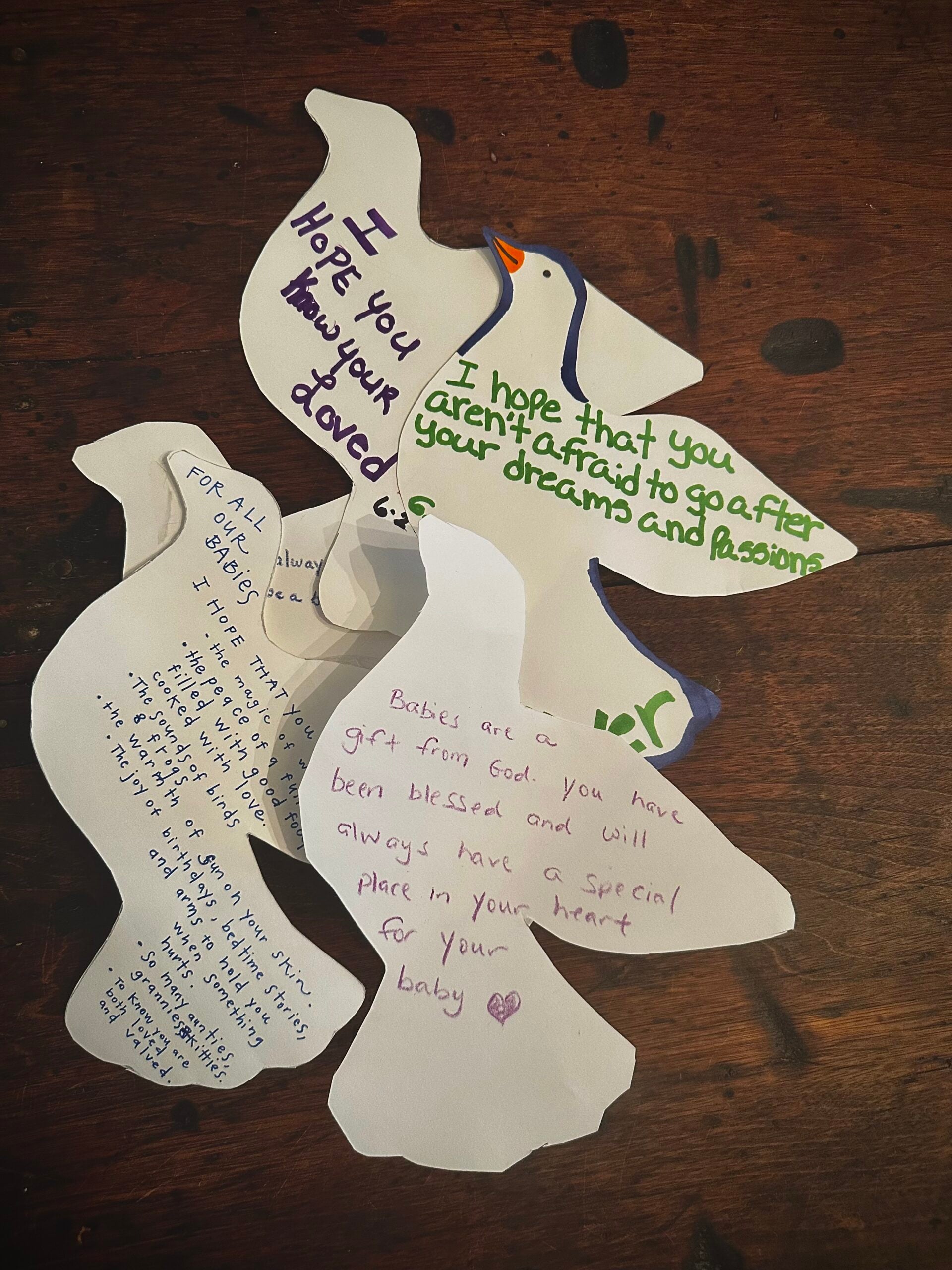
Reflections written by incarcerated mothers participating in the Wisconsin Prison Birth Project. Photo courtesy of the Ostara Initiative
“My love for my child is a good, alive part of me, but this process and this system feels like they are trying to kill me,” wrote one mother in the program. “There is nothing I want but to hold my children (and) to be able to love them. I constantly feel horrible, and I live in emotional pain filled with worry.”
In normal circumstances, the time surrounding pregnancy and birth is fraught with mental health risks. Gerrity said mental health issues are the cause of many postpartum deaths. Incarcerated mothers undergoing profound grief from separation are especially at risk.
“The groups are really powerful in preventing (those deaths) because of that shared community and sense of support,” Gerrity said.
Ostara Initiative envisions alternative ways of preventing separation
Wisconsin Department of Corrections offers mother-young child programs for certain mothers on probation and parole, but not for those who are incarcerated. That’s even after the American Civil Liberties Union of Wisconsin won a lawsuit against the department in February 2025 — and a judge granted their request to reopen the case this year.
A spokesperson for the Department said state legislators had declined to fund such a program and refused to expand the system’s earned release program.
“The practical effect of this is that DOC is required to expand the program to include incarcerated mothers with no additional funding and with no statutory changes that would allow more incarcerated women to take part,” communications director Beth Hardtke wrote in an email to WPR.
The leaders of the state Legislature’s Joint Finance Committee did not respond to WPR’s request for comment.
The Ostara Initiative has an idea that Gerrity says would help incarcerated mothers and their children in Wisconsin get what they need — one that would also allow the DOC to satisfy its legal obligation.
Ostara wants to build a mother-baby house: a community residential living facility where people from jails, community corrections or the state prison could be sentenced to as an alternative to incarceration. From pregnancy until their baby’s first birthday, they would get comprehensive pre- and postpartum care and education.
Most importantly, young children would bond with their mothers for 364 days longer than they do now.
The idea is based on the federal prison system’s Mothers and Infants Together program, which allows incarcerated women in the last two months of their pregnancy to live in a residential community and stay with their children for three months after birth.
The Ostara Initiative claims housing mothers and their infants at such a facility will be cheaper for the department, accounting for the combined cost of incarceration and foster care for an infant in Wisconsin. They’re hoping to raise $4.5 million to acquire, renovate and launch the Ostara Mother Baby House within 30 miles of Madison.
The Ostara Initiative offered to create such a program in April 2024 at no cost to the state, according to court documents from the ACLU’s most recent lawsuit. The plan did not move forward at that time. Gerrity said in subsequent conversations officials have been open to the idea — but there hasn’t yet been movement.
“Babies only get one beginning to life,” Gerrity said. “It’s this very ripe, powerful moment in terms of investment in human life, and we believe that if we can create an environment where we can do the absolute most with that, we can prevent really expensive long-term risk and adversity.”
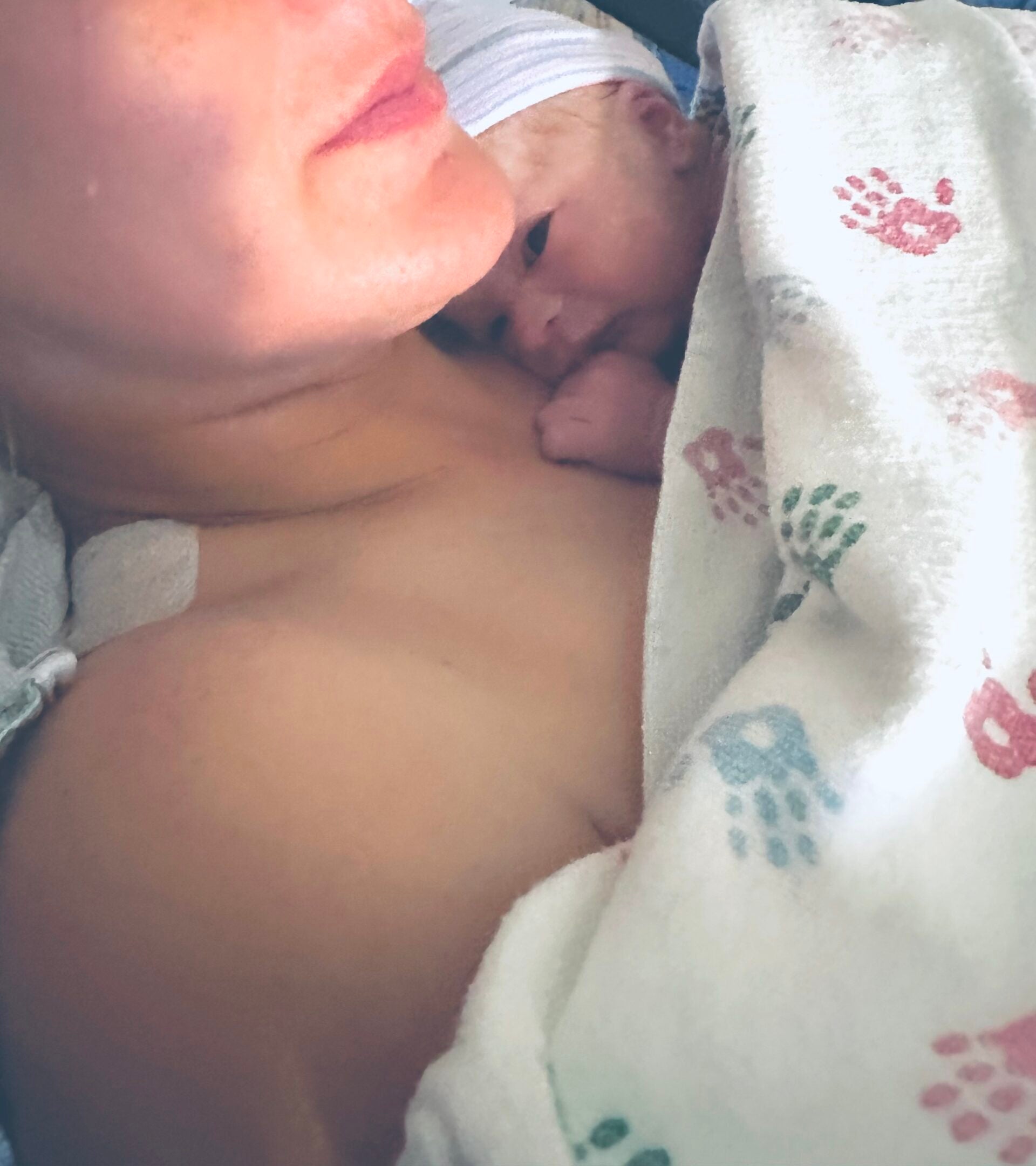
The mother featured in this story holds her newborn on her chest. Photo courtesy of Erica Gerrity
‘We don’t want (our children) to pay for our mistakes’
For the new mom interviewed for this story, the doula program has been helpful — but limited in what it can do. Her child is in foster care, but she has no idea where. She’s been pumping breast milk to give to him, but she said Child Protective Services won’t accept it and won’t explain why. Right now, they won’t allow her to visit her baby, and she said her caseworker won’t tell her what she needs to do to earn that right.
She worries that the separation will subject her child to the same experiences that led her to incarceration. Her own first involvement in the justice system was as a minor, when she said she was charged with a felony to keep her from running away from foster care.
Other incarcerated moms also worry about the consequences of separation. One of the letters written by a different mother expressed her fears.
“Incarceration harms our children,” the first-time mother wrote. “We don’t want them to pay for our mistakes.”
Incarcerated women in Wisconsin are separated from their babies. Doulas want that to change. was originally published by Wisconsin Public Radio.
If you think stories like this are important, become a member of Urban Milwaukee and help support real, independent journalism. Plus you get some cool added benefits.























Fyodor Dostoevsky said a society should be judged not by how it treats its outstanding citizens but how it treats its criminals. We have tried punishing our criminals and yet crime continues to increase. Maybe it’s time to try respect and humane treatment. The Scandinavian countries are doing it now with success. A good place to start is with Governor Evers amnesty program.
KWH: I appreciate you sharing Fyodor Dostoevsky’s wise quote.
The Department of Correction should be held in Contempt of Court for it’s failure to provide Maternal-Infant resource.
The outcome of baby’s life is contingent upon the bond with Mother. One (1) year will builds the foundation of their life.