

40 Data Centers In Wisconsin Will Hike Electricity Usage
AI race reversing a decade-long decline in electricity, report finds.
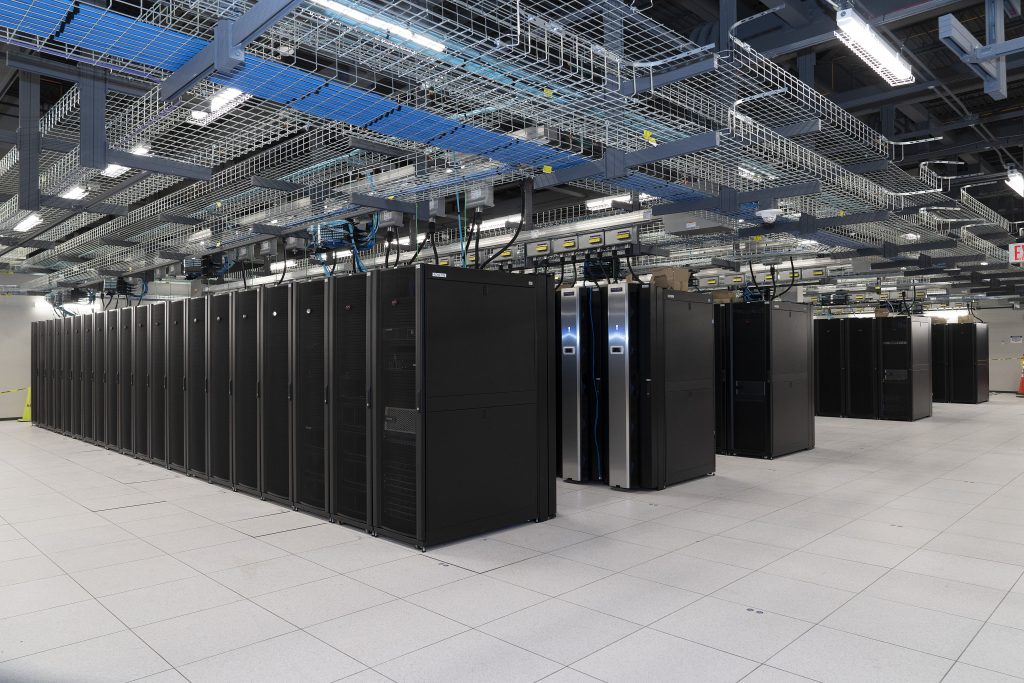
Data center. (CC0)
Statewide data center construction, fueled by the global artificial intelligence (AI) race, is set to reverse a decade-long decline in electricity use across Wisconsin.
Electricity demand, in decline for years, is expected to increase in the coming years as more electricity-gobbling data centers are built across the state, according to a new report by the Wisconsin Policy Forum. Nationally, data centers use approximately 4% of all the electricity in the U.S., but that could rise to as high as 12% by 2028, according to a study cited in the report.
Data centers house the servers and physical infrastructure needed for digital applications and services. For AI companies, the facilities store the data used to train and run their models, which require huge amounts of computational power. There are currently 40 data centers in Wisconsin, and major tech companies like Microsoft, Oracle and ChatGPT are building new “hyperscale data centers” that measure electricity in gigawatts.
For reference, a gigawatt-hour is equivalent to 1,000 megawatt-hours and is roughly the amount of energy capability added to the grid when a new power plant is brought online, according to the policy forum. The largest data centers in the country currently use one gigawatt a year.
It remains unclear exactly how much electricity demand will rise in the coming years. Data center companies have not offered many details publicly about how much energy their new facilities will require. There is information about data use by existing hyperscale data centers elsewhere in the country, and utilities are already preparing for an increase in demand.
In 2024, the peak electricity demand in Wisconsin — the level of electricity recorded on hot summer days when air conditioners are being run across the state — was 14.6 gigawatts. Utilities are projecting that peak demand will increase to 17.1 gigawatts, a 15% increase over the next five years, and new data centers are cited as the primary cause. In response, utilities have filed “a flurry of applications” for new power plants.
As major industrial electricity users have left the state and electrical systems and consumer products have become more efficient, driving down energy use, utilities have started decommissioning aging coal-powered plants and investing in renewable energy sources. As data centers drive new energy demand, utilities are turning to natural gas systems to ensure stability during peak demand.
Rising demand will increase revenue for utilities, which have watched revenues fall by approximately $1.2 billion since 2011 when adjusted for inflation. But it will also require infrastructure investments, and the cost of infrastructure has risen. Most utilities are for-profit companies, like We Energies, which supplies energy for Milwaukee, raising the question: Who will pay for the infrastructure needed to maintain power to the new privately owned data centers?
Typically, the cost of new infrastructure is borne by ratepayers. Any rate hikes on customers will need to be approved by the PSC. We Energies has proposed charging data center customers a higher rate to cover new infrastructure and energy use, according to the policy forum.
Data Center Water Use
Similar to electricity, efficiency and fewer industrial applications have driven a reduction in water use over the past few decades. The decline, even for small municipalities, is measured in billions of gallons.
Data centers, on the other hand, are expected to require millions of gallons a year. The Microsoft data center being constructed in Mount Pleasant is estimated to require approximately 8 million gallons a year.
“While there may be some water quality concerns associated with using that much water for cooling, these concerns also exist to a greater extent for many large manufacturing users, such as a paper plant or cheese factory,” according to the report.
Legislation Link - Urban Milwaukee members see direct links to legislation mentioned in this article. Join today
If you think stories like this are important, become a member of Urban Milwaukee and help support real, independent journalism. Plus you get some cool added benefits.






















A cheese plat is part of a large local business The same for paper plus they have been around for a long time’
Data centers are new and there demands for both WATER and ELECTRICITY are beyond any reasonable usage and DO NOT even generate LOCAL JOBS to justify the demands They need to be taxes so they have some value to the State
Saying that something is going to use “billions of gallons” without the context of a time frame for the usage isn’t very meaningful.
You might also note that 8 millions of gallons of water a year of usage by the Mount Pleasant data center is about 22,000 gallons per day, which is about the amount of water used by 65 homes, which in most cities would not even make them the largest local water user.