
Study Ranks Milwaukee 8th Nationally In Spending on Fast Food
Too many 'food swamps' — neighborhoods with lots of fast food outlets and no grocery stores?
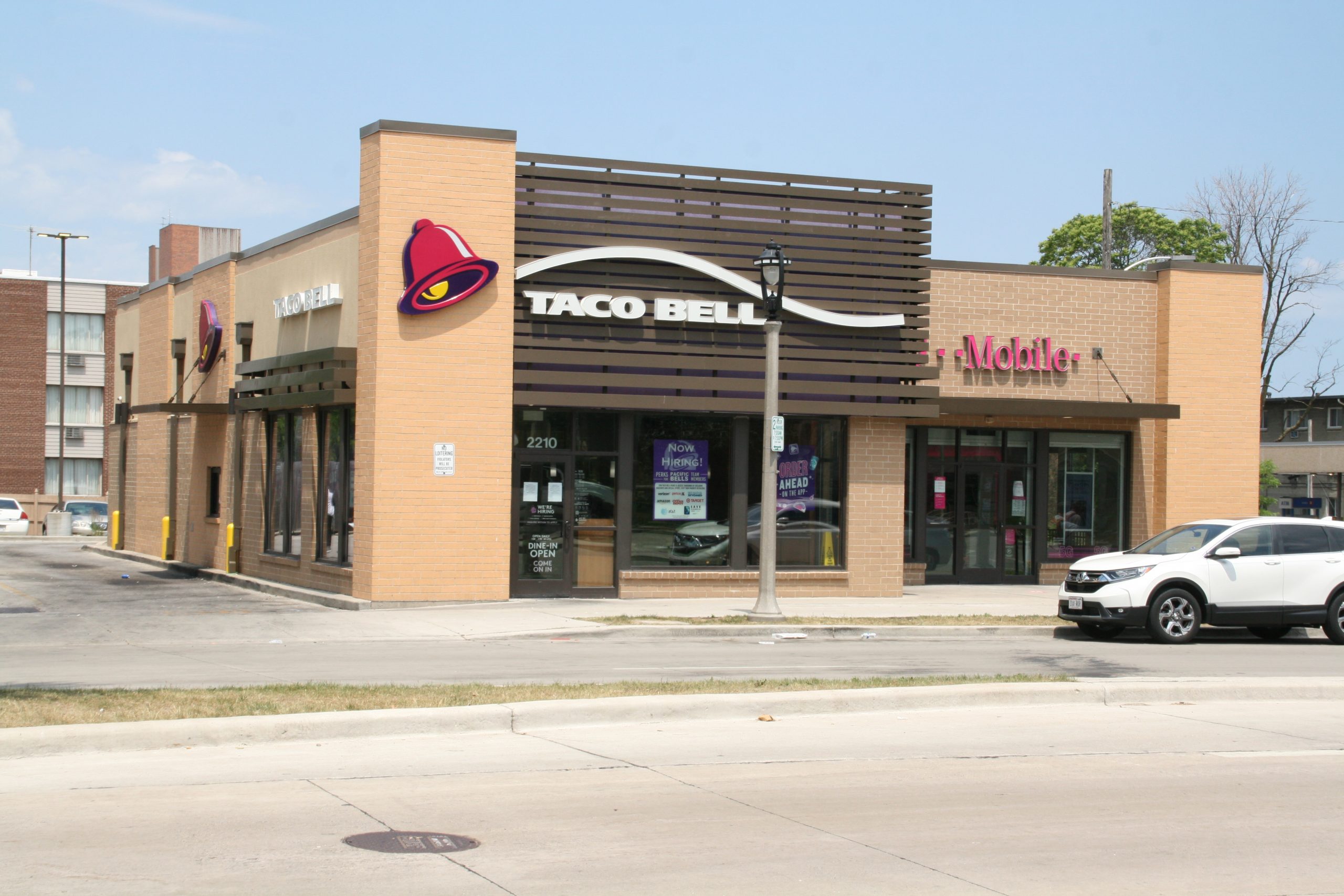
Taco Bell at 2210 W. Wisconsin Ave. in the Near West Side. Photo by Jeramey Jannene.
It’s likely no surprise that the United States leads the world in fast-food consumption. America’s dedication to drive-thrus and quick-service, in-store pickups fueled a fast-food industry that generated revenue of $423.7 billion in 2024. Yet the burden of that spending isn’t shared equally among Americans.
According to a new report from WalletHub, Milwaukee is one of the top 10 U.S. cities where people spend the most on fast food.
WalletHub compared the average combined cost of a fast-food burger, fried chicken sandwich and pizza across the nation’s 100 largest cities and measured the total against each city’s median household income. Milwaukee ranked eighth, with residents spending an average of $24.37 per meal. Madison, by comparison, ranked 69th.
“It’s worthwhile for consumers to think critically about whether the convenience of fast food really justifies the cost – and about how much room they have in their budgets for this luxury,” Chip Lupo, a WalletHub writer and analyst, said in the report.
What Lupo doesn’t account for, however, is when fast food is not a “luxury” but one of the only nearby options for a meal.
As Milwaukee faces a food apartheid emergency, where reasonable access to full-service grocery stores is limited in low-income communities across the city, it also sees a clustering of fast-food establishments in a number of those very communities.
In a February report by WTMJ-TV, Kirk Harris, an associate professor of urban development at UW-Milwaukee, used the term “food swamps” to describe areas with little access to healthy foods and a heavy saturation of fast food restaurants.
Milwaukee’s Near West Side, for example, has been described as a food swamp that is “saturated with corner stores and fast-food restaurants offering highly-processed, highly-salted and highly-sugared options” and “lacks a proper grocery store offering fresh produce and nutritious staples for residents.”
“[Food swamps are] those places where they have high levels of fast food, cheap food stuff, you know, stuff you really shouldn’t be eating on a regular basis, right?” Harris said.
However, in light of WalletHub’s findings, “cheap” is likely not the word Milwaukeeans would use to describe the current price of fast food, which has increased across the nation over the past year. Many are spending more on food and getting less nutrition.
If you think stories like this are important, become a member of Urban Milwaukee and help support real, independent journalism. Plus you get some cool added benefits.