

Rising Wolf Claims Put Squeeze on Wisconsin Conservation Budget
DNR says more money for livestock and dog losses means less for hundreds of at-risk species statewide.
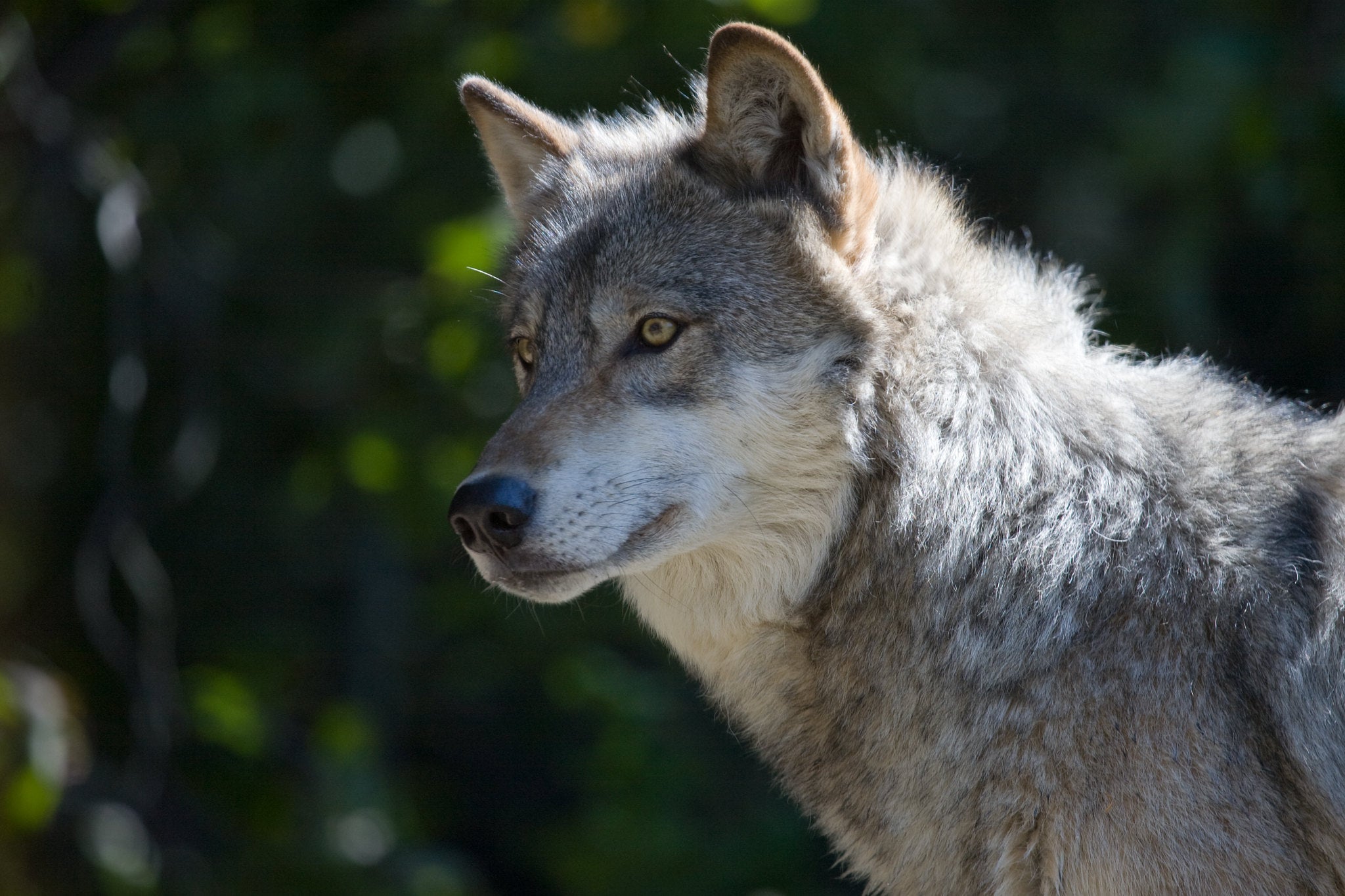
The Natural Resources Board has approved the DNR’s wolf management plan, which does not set a population goal for wolves in Wisconsin. Photo: dalliedee (CC BY)
Wisconsin regulators can now forge ahead with regulations to prioritize and prorate payments for wolf attacks on livestock and dogs due to a potential funding shortfall.
The policymaking board for the Wisconsin Department of Natural Resources granted the agency approval to craft regulations and defer payments to farmers, hunters and pet owners for losses from wolf attacks until the end of June next year. Natural Resources Board member Doug Cox abstained from the vote.
The DNR said wolf depredation claims have been rising at an unsustainable rate, and there may not be enough funding to pay all of them. When the wolf is under federal protection, claims are absorbed under the $8.4 million budget for the DNR’s Natural Heritage Conservation Bureau, which oversees the state’s endangered resources program.
Drew Feldkirchner, the bureau’s director, told WPR there’s no dedicated funding source for claims as costs continue to rise.
“It’s a growing disparity between our costs and our available funding. It’s kind of like a perfect storm. These wolf depredation payments have continued to go up,” Feldkirchner said.
In 2021, wolves were delisted after the Trump administration removed federal protections, but a federal judge’s ruling placed the animal back on the endangered species list in 2022.
Since 2022, wolf damage claims have increased from roughly $100,000 to almost $323,000 in 2024 as claims more than doubled over that time span. While the state paid less last year, Feldkirchner said 8 of the 10 years with the highest claims occurred between 2015 and 2025. The state has paid a total of $3.9 million in claims since 1985.
Owners of livestock killed by wolves are paid fair market value for the animals. Cattle prices have been rising sharply in the last several years. Owners of dogs killed are paid fair market value based upon recent sale records for similar hunting dogs or pets up to a maximum of $2,500 per animal.
Most of the bureau’s work is funded by donations and grants, but some of those funds are restricted for specific uses. The DNR has avoided using donations to fund wolf claims and relied on up to $500,000 each year in state matching funds to pay for investigation and compensation of wolf claims.
Diane Cain, of Hixton, told the board that the state shouldn’t fund claims for hunters who fail to avoid areas with wolf conflicts and farmers who don’t take certain precautions.
“Funds for livestock producers claiming wolf depredation should be commensurate upon compliance with non-lethal deterrence,” Cain said.
Carl Schoettel, president of the Wisconsin Bear Hunters Association, said in written comments that the state is obligated to compensate those who suffer losses from wolf depredation. He urged the board to reject the regulations.
“If wolf attacks have become frequent enough that available funding can no longer cover valid claims, that is a shortfall for the state to solve — not a burden to be shifted onto the hunters, farmers, and families who have already been harmed,” Schoettel wrote.
Anticipated lack of funds tied to fish and wildlife account shortfall
The anticipated shortfall is also tied to reduced revenues under the state’s fish and wildlife account, which has faced a $16 million shortfall in recent years. Part of the account is made up of federal Pittman-Robertson funding that comes from excise taxes on the sale of firearms and ammunition, which is projected to drop 15 percent. Those funds make up more than a quarter of the bureau’s budget.
Fish, Wildlife and Parks Division Administrator Eric Lobner told WPR the Natural Heritage Conservation Bureau’s budget is seeing a reduction of $873,000 and holding positions vacant.
“It’s just this cumulative effect of a number of the different funding sources that they’re experiencing this death by a thousand cuts that are impacting their ability to do all of the work that they need to do within the program,” Lobner said.
The Republican-controlled Legislature transferred $30 million under the current two-year state budget to make up the shortfall in the fish and wildlife account, but the Legislative Fiscal Bureau has said the agency doesn’t have access to all those funds without approval from a legislative committee.
The DNR submitted a request for additional funding for wolf depredation claims in April, but agency staff say no action was taken. Lobner said the agency hasn’t yet submitted a funding request to lawmakers for this fiscal year until there’s more clarity on the budget.
While state law requires compensation for wolf damage, it also directs the DNR to conserve, protect and restore endangered and threatened species to the “maximum extent practicable.” Wisconsin is home to hundreds of at-risk species.
“Anytime we’re paying for wolves, that’s money that we could have used for any number of other activities for the hundreds of at-risk species in Wisconsin,” Feldkirchner told WPR.
He said the agency is not conducting prescribed fires or habitat management at state natural areas in a broad swath of counties extending from northeastern Wisconsin to the Illinois border. He said habitat management is supported by federal funding, and eliminating that work threatens populations of rare species that the agency is tasked with protecting.
The DNR plans to bring an emergency rule before the board this fall, and a permanent one would follow.
Wisconsin DNR seeks to prorate wolf damage claims amid potential funding shortfall was originally published by Wisconsin Public Radio.
If you think stories like this are important, become a member of Urban Milwaukee and help support real, independent journalism. Plus you get some cool added benefits.























Stop hunting wolves and bears with dogs, you morons. Hunt like real men.