

Work Visa Issues Leave Door County Businesses Short Staffed for Summer
Decline in international summer workers under Trump administration taking a toll.
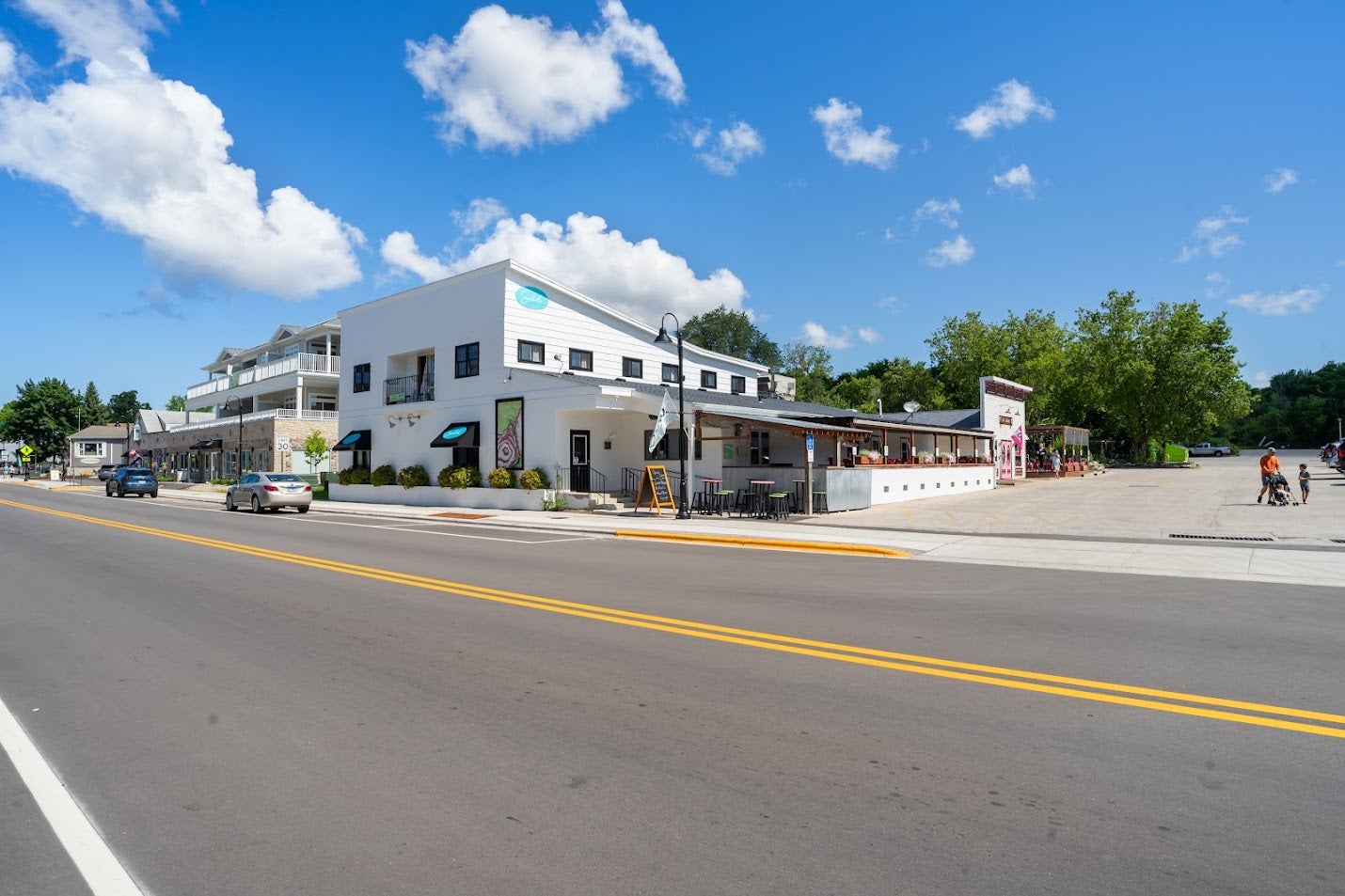
Salute Mexican Restaurant in Egg Harbor is one of several businesses owned by Kim Jensen. It’s facing short staffing after it didn’t get as many workers as it anticipated through a visa program. Photo courtesy of Kim Jensen
Kim Jensen owns several businesses in Egg Harbor, including a cafe, an Italian restaurant and a Mexican restaurant.
To meet staffing demands during Door County’s busy summer tourism season, she brings in seasonal employees through a visa program that allows her to hire experienced foreign workers for up to nine months.
Out of the 20 H-2B workers Jensen was expecting this year, only four have arrived. She said she’s hopeful six more could come by mid-July.
That’s left her businesses short staffed as the summer season kicks off, forcing her to make changes to how the restaurants operate and to call on employees to work double shifts.
She says the stress is mounting.
“We just went through a pandemic, and we finally made money last year, and now we’re just going backwards again,” Jensen said. “And I’m not the only entrepreneur, small business person, up here going through this.”
Businesses in Door County say they are facing staffing challenges because many of the international workers they rely on for help through the summer season haven’t arrived this year.
Employers say federal processing delays for H-2B visas — and the lottery process used to distribute the visas — have delayed or prevented some workers from coming, leaving them wondering if they’ll get the workers they need this summer.
The H-2B program allows companies to bring foreign workers into the country to fill non-agricultural jobs. The program has a statutory cap of 66,000 visas each fiscal year.
Glenn Mandel, an immigration attorney from Door County who specializes in business immigration law, said workers participating in the program generally work in Wisconsin for around nine months. That’s longer than the three to four-month period for workers who come to the country through the J-1 cultural exchange visa program.
Federal data shows the number of H-2B workers approved for jobs in Wisconsin fell from more than 1,200 in 2024 to around 680 in 2025 and around 170 so far this year.
Wisconsin also saw the number of J-1 exchange visitors decline from 2024 to 2025 from more than 9,900 to more than 9,600.
Mandel said Door County businesses began leaning on the H-2B program to fill jobs catering to the flood of tourists that visit the area each summer.
“Door County has approximately 2.5 million visitors per year, and there are 30,000 year-round residents in Door County,” Mandel said, saying many of those residents are children or retirees. “There’s nowhere near enough workers living here in the county that are able to fill all of the positions needed.”
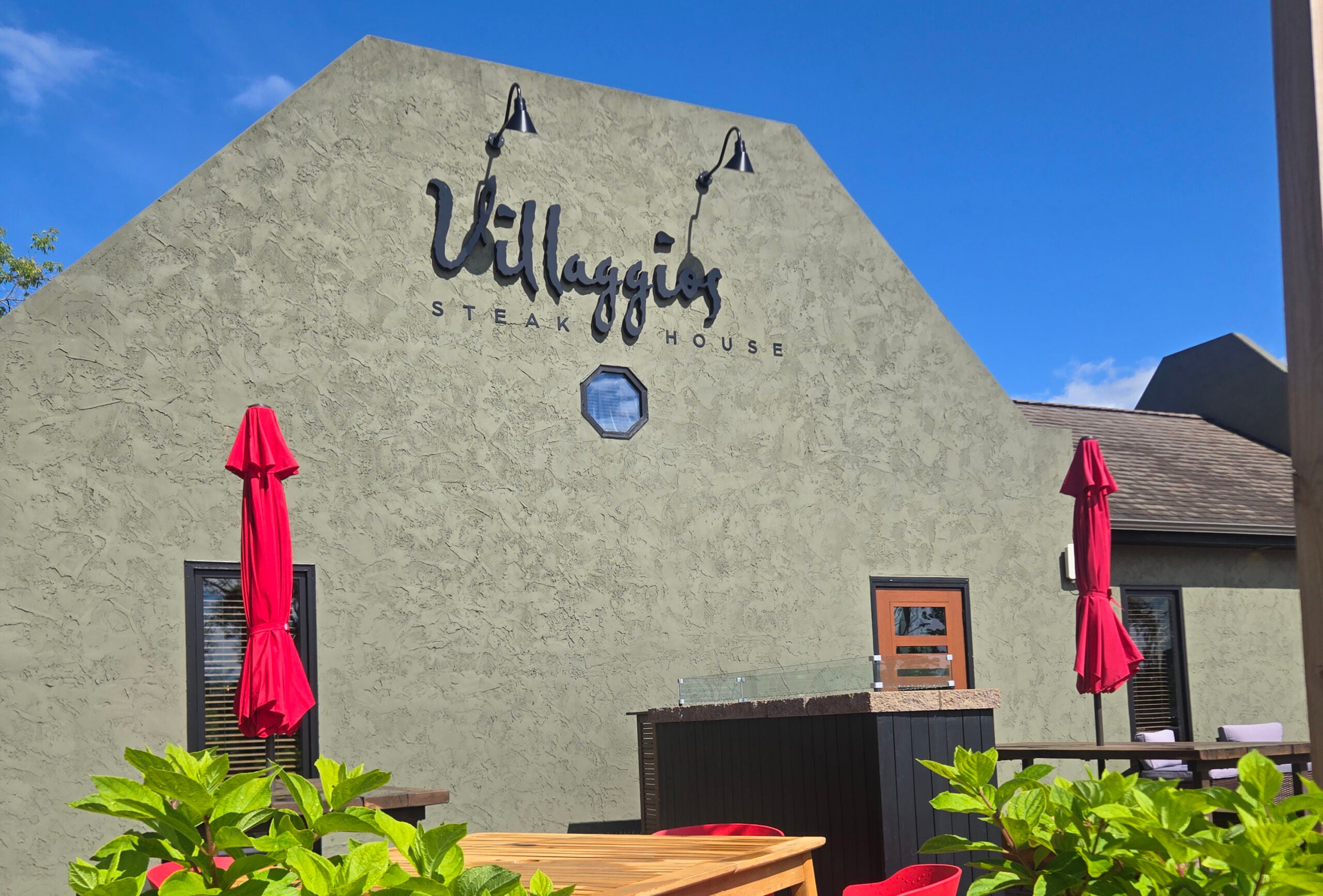
Villaggios Italian Steakhouse in Egg Harbor is seen here. Photo courtesy of Kim Jensen
This year, he says long processing delays, bureaucratic errors and limits on the number of workers coming through the H-2B visa system are creating major uncertainty for area businesses.
Mandel said approvals that previously took two to three weeks are now stretching into two to three months.
He also said U.S. Citizenship and Immigration Services, under the Department of Homeland Security, and the State Department both need to approve an H-2B worker coming into the country. He said bottlenecks at both agencies are contributing to the delays.
“That has made it more challenging for Door County employers,” Mandel said. “It’s increased the level of uncertainty as to how many people they’re going to get, when they’re going to get them and then how to fill in the gaps when they don’t have those people available.”
Jon Jarosh, interim president and CEO for Destination Door County, said labor force challenges aren’t new for the region, and other destination communities across the state.
“The workforce needs, especially in our peak season, just are substantial, and we just don’t have the local workforce to fill those jobs,” he said. “That’s one of the reasons why so many of our businesses have had to look to alternatives.”
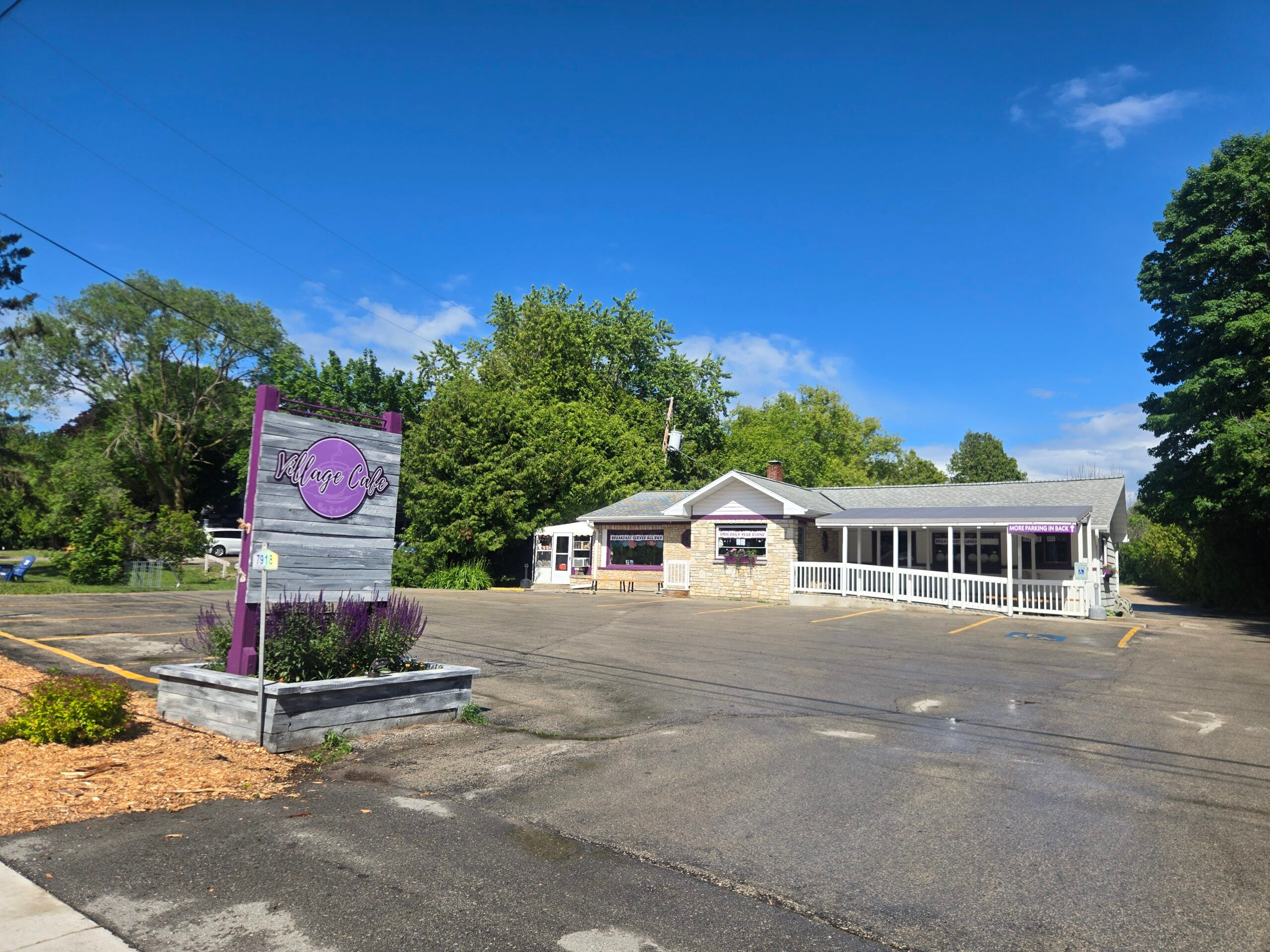
Village Cafe in Egg Harbor is owned by Kim Jensen. She says her businesses are short staffed to begin the summer. Photo courtesy of Kim Jensen
Federal lawmakers: Visa delays impacting seasonal businesses across the country
The issue isn’t limited to Door County.
A bipartisan group of 16 members of Congress sent a letter to the U.S. Department of Homeland Security on June 2, saying seasonal businesses in their districts were experiencing processing delays that were preventing the arrival of H-2B workers.
No members of Wisconsin’s Congressional delegation signed the letter.
The federal lawmakers wrote that businesses across the country are “suffering severe economic harm due to the unavailability of critical H-2B employees.”
They cited a survey of seasonal businesses in 30 states that showed 58 percent expected their H-2B workers to arrive one month late and 29 percent expected delays of more than two months.
“This is catastrophic for U.S. employers who take deliberate care to properly follow the rules and employ a legal workforce,” the letter reads. “American businesses are being forced to turn away customers, cancel or delay contracts, reduce services, and raise prices. Action must be taken to address these delays.”
A State Department spokesperson said the Trump administration recognizes that H-2B temporary workers provide American businesses significant labor that supports local economies across the country.
The spokesperson said they are working with the Department of Labor and Homeland Security to ensure “expeditious” processing of visas while “devoting the time necessary to complete thorough vetting and assess each applicant’s eligibility.”
Labor impact uneven across Wisconsin tourism communities
While the H-2B delays have been a strain on some tourism-centric communities, a spokesperson for the Wisconsin Dells Visitor & Convention Bureau said there haven’t been workforce issues there. He said the Dells’ foreign workers primarily come on J-1 visas and not H-2Bs.
Mandel said the Wisconsin Dells has a shorter peak tourism season than Door County, so the J-1 visas are a better fit there.
“If you’ve got a four month season, and a J-1 worker is basically here for three to four months, you’re pretty much good with your J-1 workers,” he said. “But if you’ve got an eight (or) nine month season … then the only way to fill the front end of the season and the back end of the season is with H-2B workers.”
Kaaren Northrop, owner of Main Street Market in Egg Harbor, said even when the H-2B program isn’t facing processing delays, it’s still nearly impossible for businesses to plan their staffing for the summer season.
That’s because of the 66,000 cap on H-2B visas each year, and the lottery system used to determine which applications get reviewed first.
“There’s no consideration for people following the rules and doing everything the right way,” Northrop said. “You’re still tossed in this lottery system, which is just crazy. There’s not a lot of businesses that can operate wondering if you’re going to get your people or not.”
This year, she hoped to bring seven workers through the program, but isn’t going to receive any. She said she was able to fill some of the gap by hiring workers already in the U.S. on visas, but the store opened its extended summer hours later in the season than normal.
“It is virtually impossible to hire to fill all your jobs for the whole entire season without bringing people in from somewhere else,” she said.
Changes could be coming to the program that could help businesses that rely on foreign workers.
The U.S. House Appropriations Committee included language in the 2027 Homeland Security appropriations bill that would exempt employers certified for H-2B workers for five years from counting toward the annual visa cap. It would allow those employers to hire the highest number of workers previously certified without counting toward the cap.
That change still needs to be approved by the Senate and signed into law.
Northrop said she’d like to see federal lawmakers take action to make it easier for businesses to hire foreign workers.
“There are real live small businesses in this country who cannot function without these visa programs,” Northrop said.
Work visa issues leave Door County businesses short staffed for summer season was originally published by Wisconsin Public Radio.
If you think stories like this are important, become a member of Urban Milwaukee and help support real, independent journalism. Plus you get some cool added benefits.



















Door County wisely favored Harris in the last election, sadly the rest of the country failed to see what they did. Whatever he touches turns to s–t.