

New World Screwworm Heading North, Wisconsin Experts Warn
Flesh-eating fly has been confirmed in Texas cattle, posing a risk to other mammals.
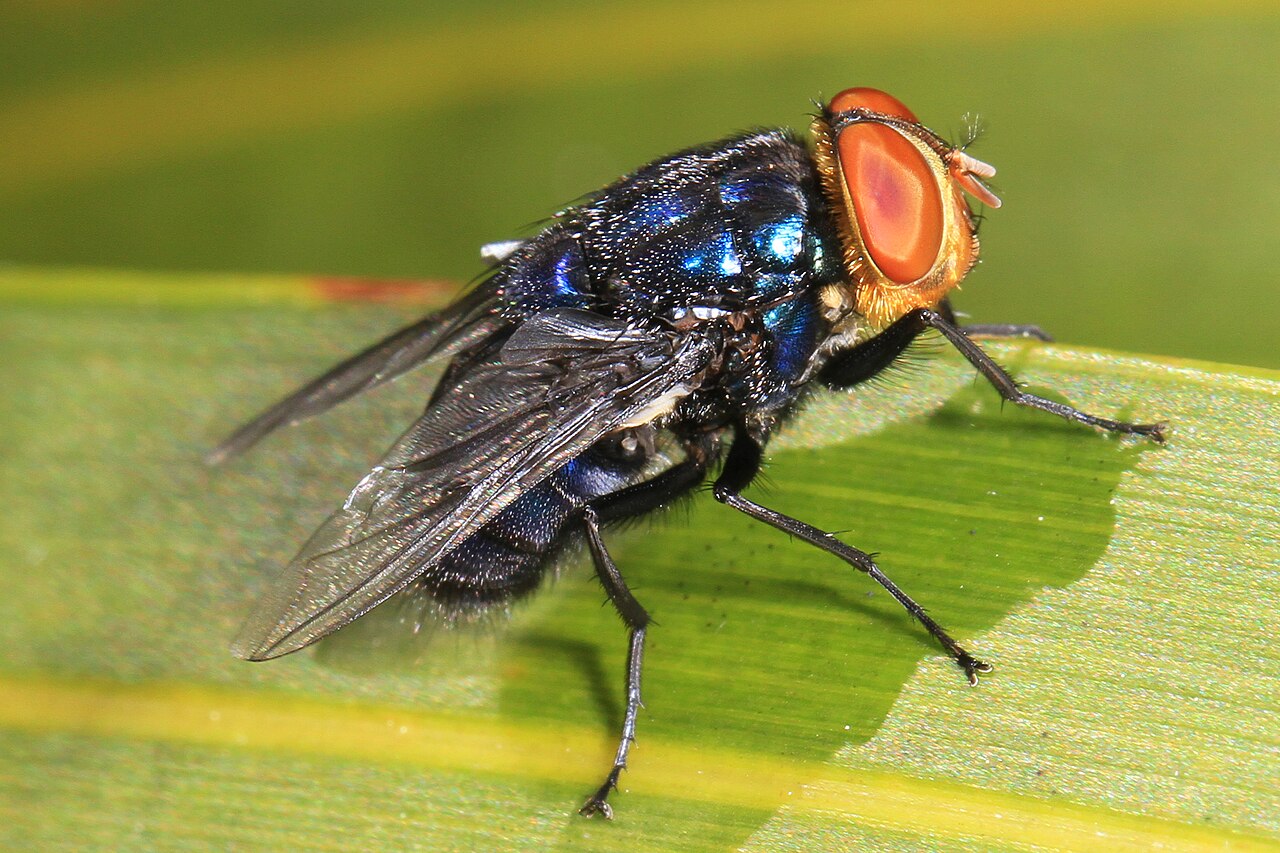
New World Screwworms plagued American cattle through the mid-twentieth century. Their larvae burrow into the skin of cattle and other mammals, causing infection, disease and death – and they are moving from Panama toward the United States. The flies have advanced approximately 400 miles northward since November 2024. Photo by Judy Gallagher, (CC BY 2.0), via Wikimedia Commons
Wisconsin veterinary officials are closely watching the northward progress of a parasitic fly affecting livestock.
Six cases of New World screwworm have so far been confirmed by the U.S. Department of Agriculture. Most of the cases have been in cattle from Texas, but officials also found the parasite in a dog from New Mexico.
The parasitic fly feeds on the flesh of warmblooded animals, causing severe and potentially fatal infestations, according to the USDA.
It was previously eradicated from the U.S. in 1966, and later eliminated in Mexico, Central America and Panama. But the recent outbreak started in Panama in 2023, with the flies making their way north ever since.
State Veterinarian Dr. Darlene Konkle said Wisconsin officials are monitoring the joint response of USDA and Texas agriculture officials. The agencies have so far set up a quarantine zone and deployed sterile flies in the area to slow the fly’s ability to breed.
The New World screwworm uses open wounds to infest an animal, which Konkle said is typically a mammal but can be a bird. In cattle, the parasites often infect the healing umbilicus of new calves. Infestations of humans are rare, Konkle said, and are typically detected much more quickly than in an animal.
She said Wisconsin has an advantage because the parasite prefers warm temperatures.
“The fly, from all accounts, will not be able to survive one of our winters up here,” she said. “But that doesn’t mean we couldn’t see a case. Certainly, animals move from other states and other countries all over the U.S.”
Keith Poulsen, director of the Wisconsin Veterinary Diagnostics Laboratory, said if Wisconsin sees a case, it will likely be from animals or goods being trucked into the state rather than the flies themselves moving north.
He said beef cattle face the biggest risk, because their calves are less closely monitored compared to dairy cattle.
“That’s one good example of why our risk really is lower,” Poulsen said. “We could see it, but it’s probably because people or trucks brought it in, and then it would probably be self-limiting.”
It takes at least 21 days for the New World screwworm to go from an egg to a full-grown fly, which then lives about a month. So responding to the parasite is different from other animal health threats such as avian flu.
“Those viruses move a lot faster,” he said “This is something that we need to watch, but not panic over.”
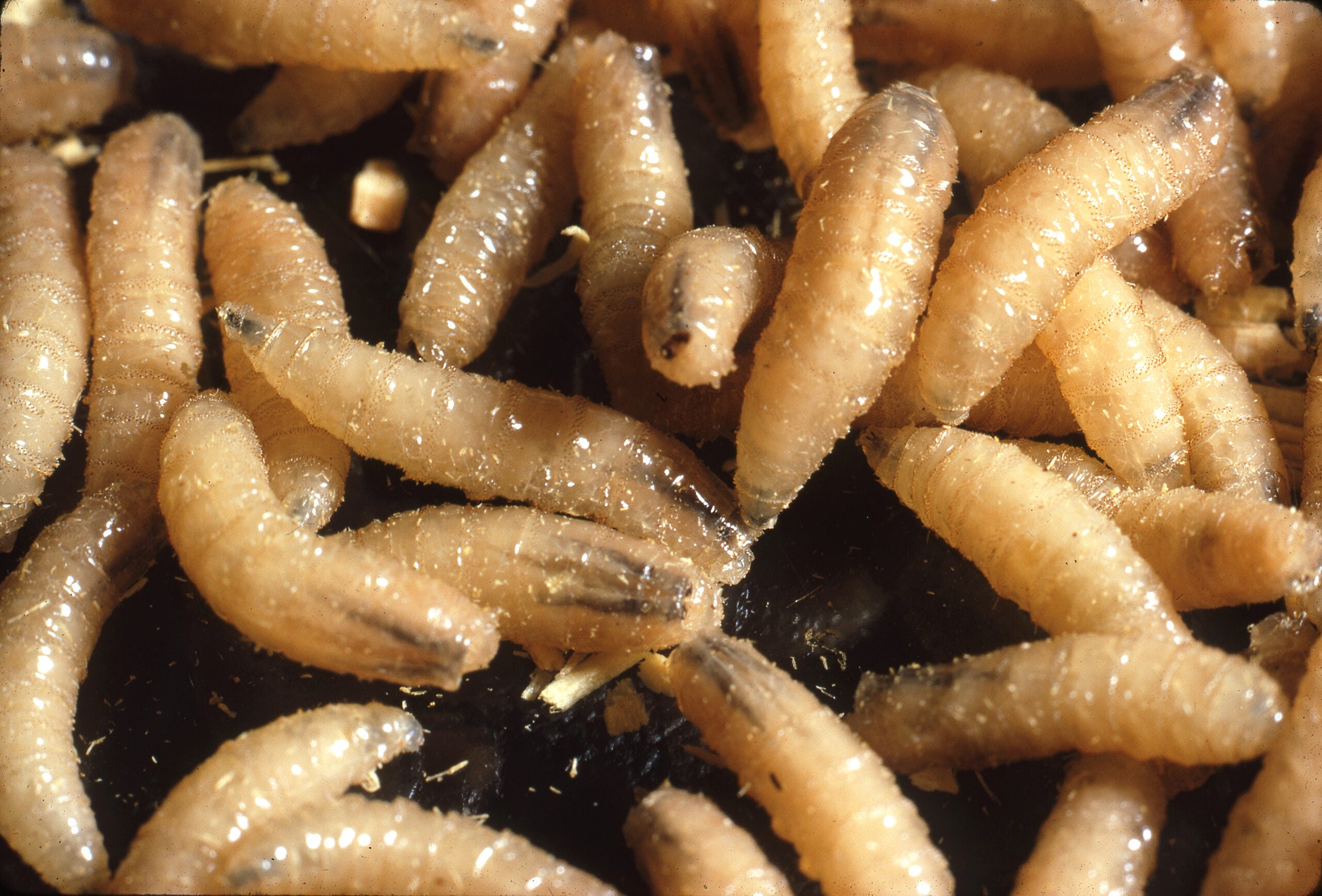
The U.S. Department of Agriculture continues to respond to confirmed cases of New World screwworm in Texas. Source: USDA
Konkle said Wisconsin already requires livestock coming into the state to be inspected by a veterinarian. But the state has the authority to impose additional restrictions on animal movement if the threat increases.
Dogs and cats moving to shelters in the state are also required to receive a veterinary inspection, according to Dr. Sandra Newbury from the University of Wisconsin School of Veterinary Medicine.
She said actively treating any wounds can also help lower the risk for pets and animals in shelters, as well as staying current on topical flea and tick medications.
“There are a couple that are already known to protect against (New World screwworm),” Newbury said.
She said the level of threat to pets is relatively low, but shelters and pet owners should be aware of the pest’s movement north.
As New World screwworm heads north, Wisconsin experts say monitoring is critical was originally published by Wisconsin Public Radio.
If you think stories like this are important, become a member of Urban Milwaukee and help support real, independent journalism. Plus you get some cool added benefits.






















I did read an article that after 1966 another outbreak occurred in Texas in 1976 affecting 20 percent of cattle and 10 percent of goats/sheep.
Keep voting for corrupt Republicans you dopes. (Biden closed the border to Mexican cattle, Trump opened them you dopes).