

Milwaukee Education Leaders Frustrated With DPI Over Reading Program Funds
'We got rolled, gaslighted,' Howard Fuller says of Department of Public Instruction.
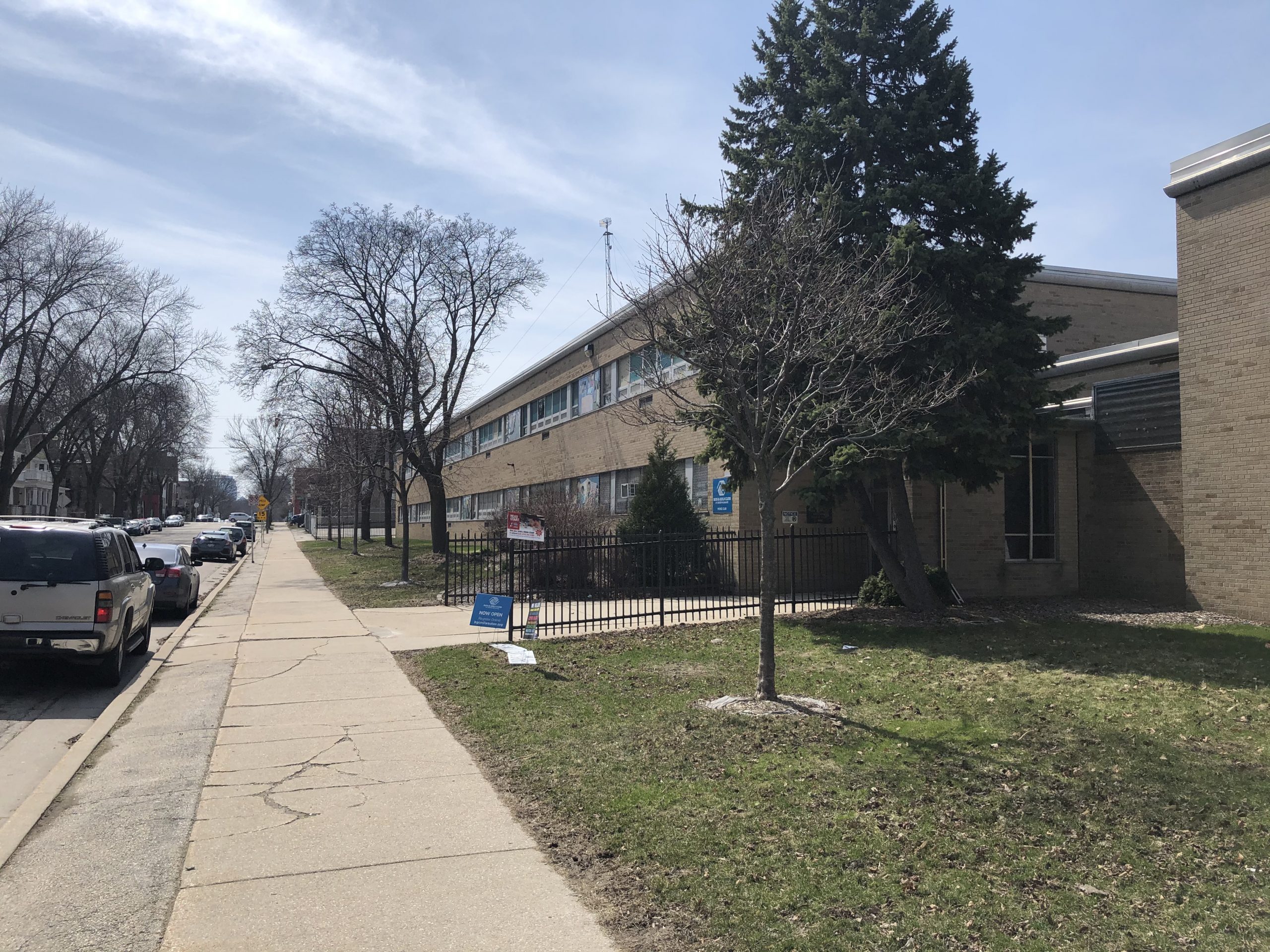
File photo by Dave Reid.
Members of the Milwaukee Reading Coalition say the Department of Public Instruction promised to help fund an initiative to train teachers in early literacy, but has reneged and the project is now in jeopardy.
Fewer than 10 percent of children in kindergarten through third grade attending both private and public schools in Milwaukee are meeting reading targets.
In May 2025, Milwaukee Public Schools, charter schools, private schools, philanthropic and business groups came together to create the Reading Coalition.
The group wanted to raise an undisclosed amount of private and public money to do three things: train early education teachers and principals in Milwaukee on the science of reading, pay for the training materials, and give a $1,500 stipend to educators who completed the training.
Long-time education activist Howard Fuller has been leading the charge.
He says DPI has repeatedly indicated there was a pathway to support the work through literacy grant funding. Based on those assurances, the coalition secured private donations and recruited an executive leader, Fuller said.
But DPI has abruptly changed course, Fuller said.
“We got rolled, gaslighted, whatever term you want to use,” Fuller said.
DPI spokesperson Chris Bucher says improving literacy outcomes and closing achievement gaps for all Wisconsin students, especially in Milwaukee, remains a top priority for the agency.
“We have consistently engaged with the Milwaukee Reading Coalition and communicated about funding delays and timelines, reimbursement requirements under Act 20, and the steps that must occur before any work with outside entities can move forward,” Bucher said. “Additionally, any programs that expand Act 20 require a detailed implementation plan and approval that includes a legislative process. (Milwaukee Reading Coalition) is explicitly aware of all these challenges.”
In 2023, a bipartisan law was passed known as Act 20, requiring schools to teach the science of reading.
Act 20 mandates changes to early literacy education in public schools for students in pre-kindergarten through third grade. It requires schools to use approved curriculum, provides professional development to teachers in science of reading and tests students on their ability.
As part of the bill, the legislature budgeted $50 million to fund initiatives it required. But the Republican-led Joint Finance Committee withheld the money as part of a dispute with Democratic Gov. Tony Evers, leading to a lengthy legal battle. Last June, the committee released $9 million of the funds to pay for reading coaches.
DPI announced in April that literacy coaches will be placed in 50 public and four private schools over the next two years beginning next school year.
Fuller says in Milwaukee, where most kids can’t read and most of the teachers have never been trained to teach reading, they have to start with the basics.
That is where the Reading Coalition came in.
Fuller said the Reading Coalition drafted a bill last session to ensure funding from DPI. According to Fuller, DPI told the group a legislative bill wasn’t necessary so the bill never came forward.
But over the last several months, when the money wasn’t coming from DPI, the group continued to question the state.
Milwaukee Mayor Cavalier Johnson, who is part of the Milwaukee Reading Coalition, sent State Superintendent Jill Underly a letter on May 18 asking for her support and investment.
Underly responded May 26, saying DPI’s responsibility is to award funds “in the way the legislature mandated to support the requirements of Act 20.” Underly continued, “The Legislature did not authorize the DPI, or any of its partners to forward fund a program like the Milwaukee Reading Commission is describing.”
Fuller says that response is a contradiction to what the group was told when it wanted to draft a bill to the legislature.
“This is DPI finding a way not to help Black children in the city of Milwaukee,” Fuller said during an interview with WPR on Monday.
Underly recently appointed Milwaukee educator Kaylee Jackson to head the state Office of Literacy.
Fuller says the Milwaukee Reading Coalition had offered Jackson its executive director job, but could not hire her because it did not have funding from DPI.
In her May 26 letter, Underly told Mayor Johnson DPI would continue to monitor how reimbursements are proceeding.
“While we continue to reimburse schools, there is nothing standing in the way of the Milwaukee Reading Commission partnering with schools to support Act 20 implementation,” she wrote. “That includes finding creative solutions to provide support to private schools that requested to be exempted from Act 20 during its development and are subsequently not eligible for many of the reimbursement programs.”
But Fuller is not holding his breath. “Although we have this absolute disagreement right now, we are on pause,” Fuller said. “I guess we wait to formally hear back from DPI. There is nothing that has happened so far that will give me an, ‘Oh yeah, we can work this out still.’”
Milwaukee education leaders frustrated with DPI over funding for reading initiative was originally published by Wisconsin Public Radio.
If you think stories like this are important, become a member of Urban Milwaukee and help support real, independent journalism. Plus you get some cool added benefits.


















Nothing but a cruel joke WOW From Fuller’s claim that MPS teachers do not know how to teach reading to MPS Board and Administration and Teachers Union NOT SPEAKING FOR THE CHILDREN Yes where are the Republican’s and even Tony DEMANDING THAT ALL CHILDREN ARE READING AT GRADE LEVEL Oh that’s right the CAPS limit BUT ……. while the children continue to drown Yes see the children in a swimming pool and then the inability to swim (READ) should be clear and WHAT TO DO should be clear as well.
MPS KNOWS exactly WHO is not reading by the end of first grade and yet NO ONE makes sure that they are reading at grade level by the end of second grade And if they are NOT READING AT GRADE LEVEL by the end of second grade we KNOW WHY. WHO CARES WHO SPEAKS FOR THE CHILDREN Who Speaks for the trees Reading is a foundational RIGHT and yet ……. If you care call me 414 403 1341 Thomas Spellman
And yet even this modest effort is not part of any plan by