
Mother-Daughter Chefs Showcase Burmese Heritage
NyoNyo Lin and her mother NiNi use distinctive ingredients difficult to source locally.
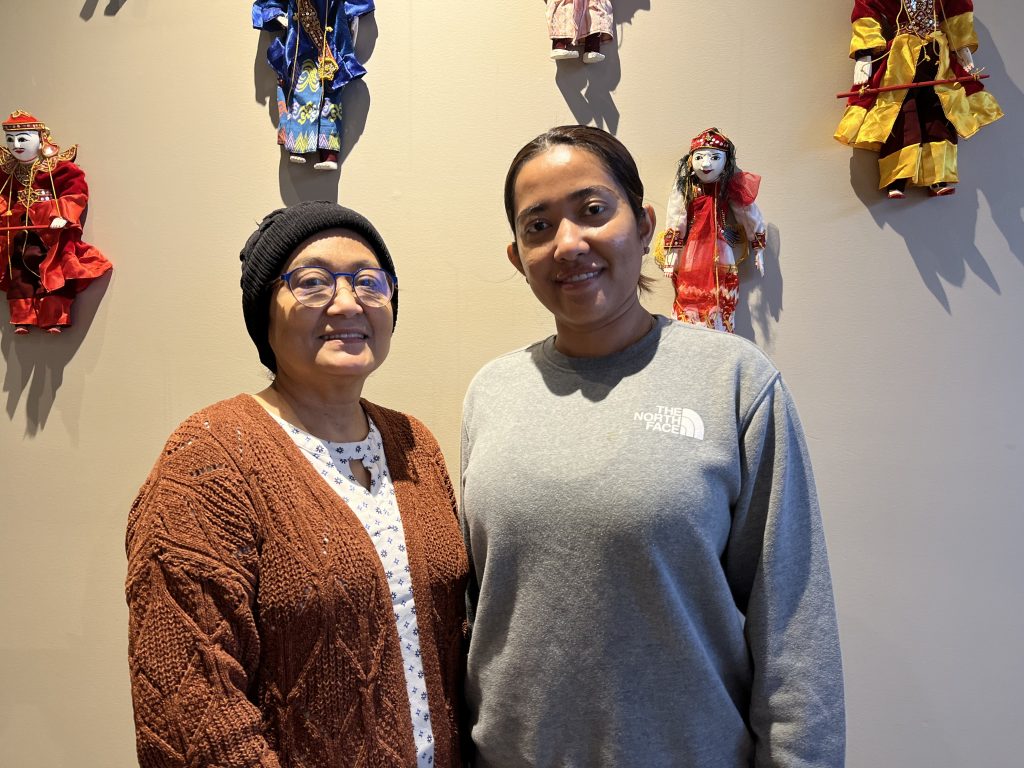
Ni Ni (left) and NyoNyo Lin, co-owners of Ni Burmese. Photo by Sophie Bolich.
Editor: This is the seventh installment of a series in which Urban Milwaukee explores five ingredients and how to use them with Milwaukee chefs, growers and caterers.
For NyoNyo Lin, ingredients are more than recipe components — they’re a direct connection to her heritage, tethering the Burmese immigrant to her homeland and its culinary traditions.
Growing up in her grandmother’s restaurant in Mawlamyine, Myanmar (formerly Burma), Lin absorbed the flavors and techniques essential to Burmese cooking, knowledge she now brings to her Milwaukee restaurant, Ni Burmese.
The restaurant’s scratch-made curries, soups and stir-fries rely on staples like dried prawns, masala blends and chili powders for their distinctive flavors. Once difficult to source locally, these ingredients are now readily available at Yardanarmon Superstore, the southside market Lin’s mother and business partner, Ni Ni, opened in the early 2000s.
“My mom’s been here longer than almost any other [Burmese] refugee,” Lin said. “Most ingredients, we cannot buy anywhere else — we bring them from the grocery store to the kitchen here.”
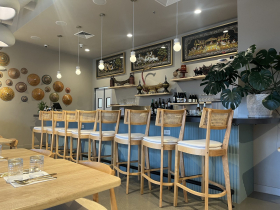
Opened in early 2024, Ni Burmese is one of several food businesses at the base of KinetiK apartments, 2160 S. Kinnickinnic Ave. Lin and her mother spent years searching before securing the space, now decorated to reflect their vision.
“I love it,” Lin said of the light-filled interior, which offers a glimpse into the beauty of Burmese culture, complete with a collection of marionettes dressed in traditional attire, murals, tapestries and a display of decorative kha mauk, conical bamboo hats often used in rural areas as protection from sun and rain.
The restaurant offers strictly Burmese food, which Lin describes as “similar to Chinese and Thai”; both border Myanmar, which also abuts Laos, India and Bangladesh. Despite shared influences with neighboring countries, Burmese cuisine is distinct, particularly for its balance of sour, salty and spicy flavors, textural variety and use of fresh herbs.
The national dish, mohinga, represents all of the above: hearty fish soup flavored with lemongrass, ginger, garlic and banana tree stem, served over chewy rice noodles and garnished with crispy fritters, boiled eggs and cilantro.
At Ni Burmese, there’s also fried pork rolls seasoned with Chinese five-spice, whole steamed fish, and funky seafood salad with prawns, squid, onions, tomatoes and chilies.
“I like everything,” Lin said. “I can’t pick a favorite.”
Just over a year into their Bay View operation, the mother-daughter duo remain passionate about introducing Burmese cuisine to a wider audience. “It’s been up and down, because it’s new to Milwaukee,” Lin said.
Still, it’s a pursuit they consider worthwhile — and one they can be proud of. “We’re a woman- and immigrant-owned restaurant and the only fully Burmese place in Milwaukee,” Lin said.
Executing Burmese dishes in Milwaukee makes the right ingredients essential. Here’s a closer look at five of NyoNyo and Ni Ni’s must-haves. Want to try them at home? Start your search at the Burmese market, Yardanarmon Superstore, located at 3512 W. Oklahoma Ave.
Chickpea Flour
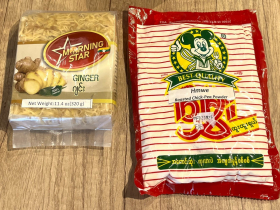
Nutty, fiber-packed and gluten-free, chickpea flour is key to Ni Burmese’s housemade tofu. “We put this in boiling water, then strain it and let it cool, and it becomes like tofu,” Lin said, holding up a package of the sand-colored powder.
The result is a denser, more buttery version of soy-based curd, which is then deep-fried until golden and crispy.
Pickled Ginger
Pungent and spicy, ginger root features prominently across the menu, underpinning many of the restaurant’s complex curries, broths and sauces.
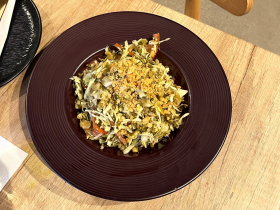
In pickled form, it’s central to ginger salad, packing a flavor punch with fried beans, cabbage and tomatoes.
Tea Leaves
Dark green and earthy, finely chopped fermented tea leaves, or Burmese lahpet, fleck their namesake salad at Ni Burmese — a textural marvel layered with cabbage, tomatoes, garlic, dried prawns, nuts and addictively crunchy fried beans.
The leaves, native to Myanmar, are fermented in-house — a process that includes boiling, cleaning and grinding — before being seasoned and mixed into the salad.
Their flavor is tangy, slightly bitter and deeply umami, melding perfectly with the sour, sweet, salty, juicy and oily ingredients that share the plate.
Spice Blend
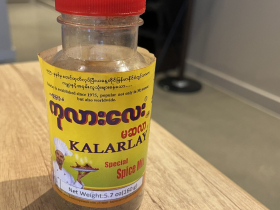
Kalarlay Spice Mix is always within reach at the restaurant, where it’s sprinkled into curries for a fragrant aroma and fresh flavor.
Traditional blends can include cumin seeds, green cardamom, cloves, black pepper and cinnamon — adding warmth and depth to Indian-influenced Burmese dishes.
Crushed Chilies
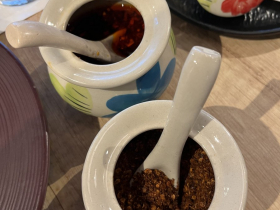
Served tableside and incorporated into nearly every dish on the menu, dried and crushed chilies are indispensable, with spice levels ranging from mild to intense, depending on the peppers’ origin and variety.
“Burmese people, we like spicy,” Lin said, though she said her taste for tongue-scorching heat has tamed in recent years.
Photos

Existing members must be signed in to see the interactive map. Sign in.
If you think stories like this are important, become a member of Urban Milwaukee and help support real, independent journalism. Plus you get some cool added benefits.


Five Ingredients With a Foodie
-
Alex Feeling Has Cooked Across The World
 Mar 22nd, 2026 by Sophie Bolich
-
Mary Kastman
 Dec 23rd, 2025 by Sophie Bolich
-
Bartender James Potter
 Nov 21st, 2025 by Sophie Bolich