
Food Waste Now 20% of Wisconsin Trash, New DNR Study Shows
More than 900,000 tons of edible food and scraps went to landfills in 2024.
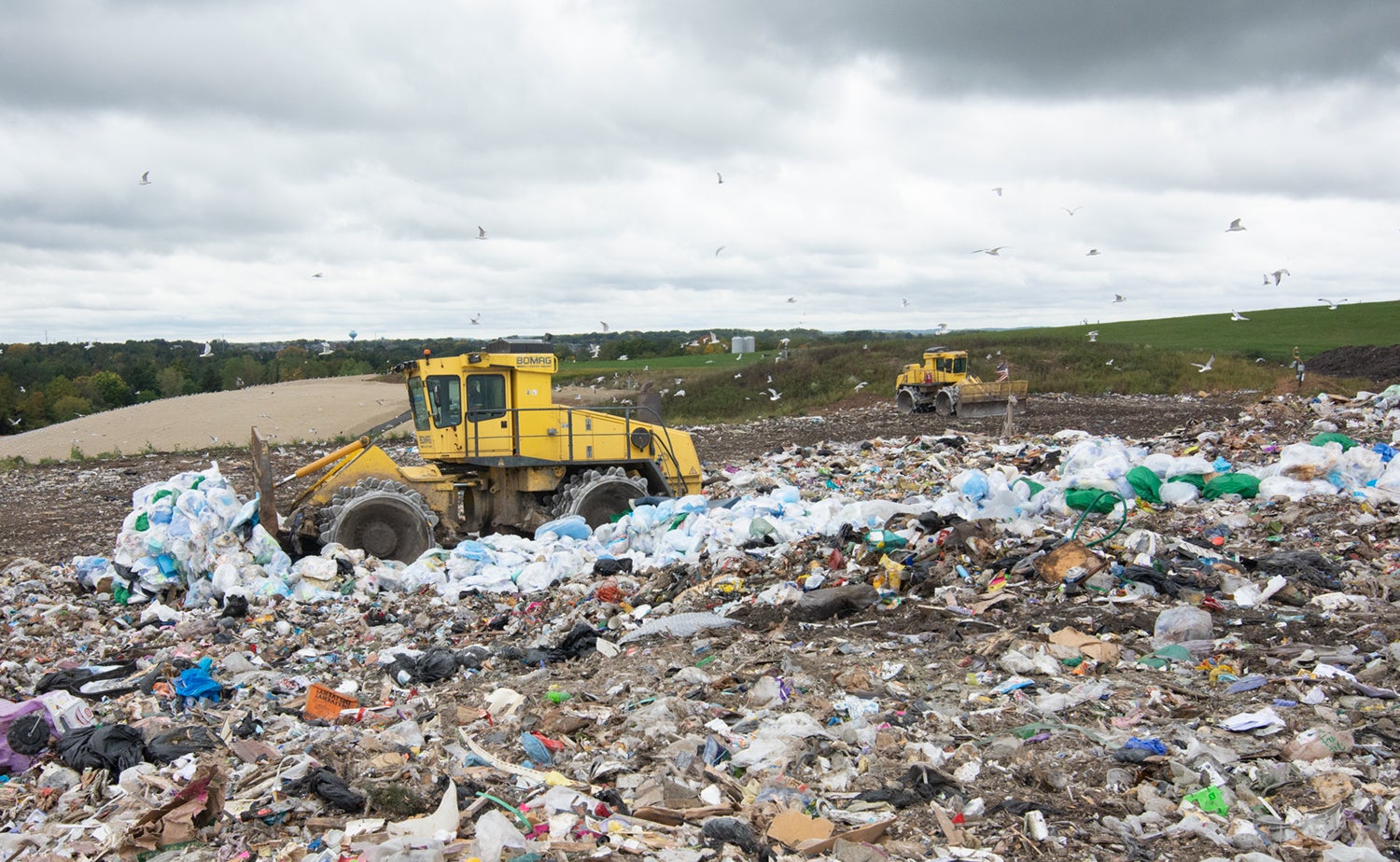
A Dane County landfill was part of a 2020-2021 study commissioned by the DNR to determine what’s in Wisconsin’s landfills. Photo courtesy of the DNR
The state wants residents, businesses and agencies to help the state cut food waste in half as more than 900,000 tons of wasted food and scraps ended up in Wisconsin landfills in 2024, making up 20 percent of all trash.
Those are the latest findings of a report evaluating food waste in the state outlined in a presentation Tuesday by the Wisconsin Department of Natural Resources. The DNR contracted with global engineering and environmental consulting firm HDR, Inc. to conduct the study, which was funded by a grant from the U.S. Environmental Protection Agency.
As more trash ends up in landfills, the amount of food waste increased slightly from 854,000 tons, or about 294 pounds per person, recorded during the DNR’s 2020-21 study. The state has a goal to cut the amount of food waste per person in half from 2020 levels by 2030, said Sarah Murray, the DNR’s recycling and solid waste section manager.
“(What) we’re looking to do is increase public awareness of the food waste, impacts on people and businesses, and ways that we can reduce those impacts, reduce what’s going to landfill, and also help…feed people who don’t have enough to eat,” Murray said.
Cutting down on food waste can also reduce environmental impacts. Municipal solid waste landfills are the third-largest source of human-caused methane emissions. In 2022, the EPA estimated those emissions were equivalent to the greenhouse gas emissions of more than 24 million gas-powered cars driven for a year.
Most food thrown away in Wisconsin could’ve been eaten, said Amanda Erickson, HDR’s solid waste planner. Wisconsin’s study was based on surveys and listening sessions along with data from the EPA and ReFED Insights Engine, an online data hub for examining food waste.
Findings show 88 percent of food waste in Wisconsin landfills came from residential homes and food services in 2023, according to data from ReFED. Food waste from homes made up the largest share at 47 percent.
Wisconsin is not alone in challenges with reducing food waste. Around 30 to 40 percent of the nation’s food supply is never sold or eaten, according to the EPA. Last year, an EPA report found food waste costs the average consumer $728 each year, noting a family of four could save $56 each week by throwing away less food.
The report examines ways to reduce food waste and divert it from landfills, including by increasing food donation. ReFED estimates around 72,000 tons of leftover food was donated to Wisconsin food banks or pantries in 2023. Erickson noted surveys of the state’s food donation outlets found barriers preventing many organizations from managing more food.
“Oftentimes they face logistical challenges, which could include storage, space, funding, personnel,” Erickson said. “Sometimes it’s as simple as transportation logistics or a lack of understanding from businesses about what outlets are available in their community.”
The report also found hurdles for existing composting facilities, industrial wastewater treatment plants and anaerobic digesters to process more food waste. For example, the state has 286 licensed composting facilities, but only 30 are approved to accept food waste.
Erickson said those facilities face barriers that include regulatory hurdles, capital and operations costs and challenges transporting material to those sites.
The report’s recommendations for preventing and reducing food waste include more education, funding and training. The study suggests crafting policies to encourage more food donation and expand the use of food waste for animal feed.
Other recommendations target infrastructure for processing food waste. Some of those are aimed at expanding waste hauling or higher tipping fees to support new or expanded facilities to process food waste.
The DNR has already taken some steps to promote food waste reduction in its regulations by requiring local recycling programs to educate residents on food waste. The agency is also working with various institutions, groups and local governments. That work includes an upcoming effort to offer technical assistance to food service establishments in Brown, Dane and Milwaukee counties to help them reduce their food waste.
More than 900K tons of food waste ends up in Wisconsin landfills, report finds was originally published by Wisconsin Public Radio.
If you think stories like this are important, become a member of Urban Milwaukee and help support real, independent journalism. Plus you get some cool added benefits.