

74,000 Student Loan Borrowers Could Get Wages Garnished
74 K in Wisconsin in default. Trump administration getting aggressive.
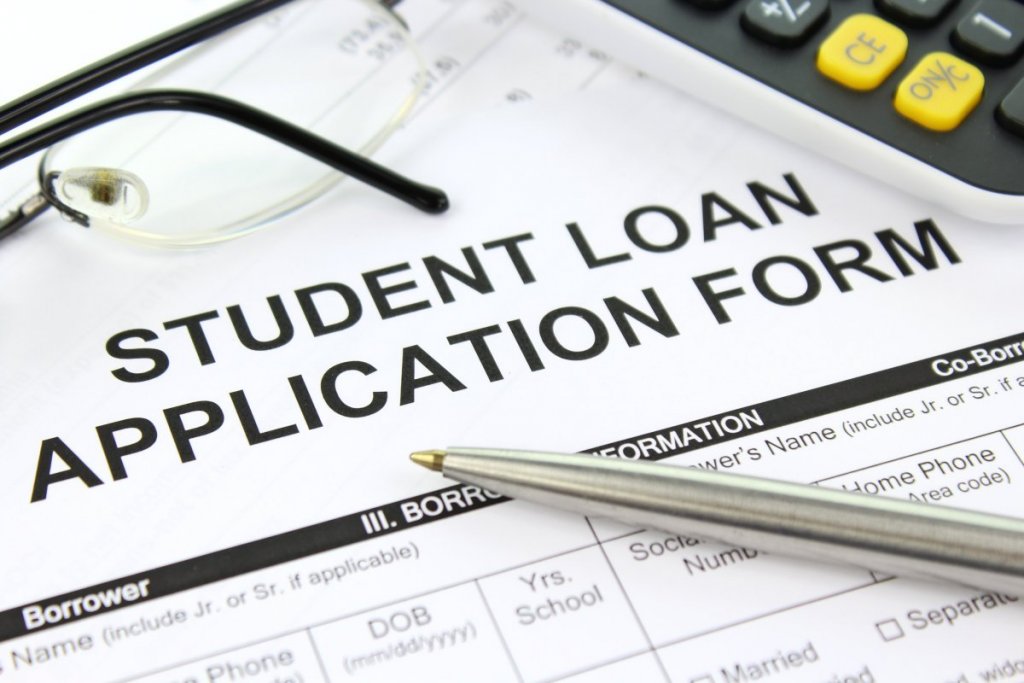
Photo by Nick Youngson via Creative Commons CC BY-SA 3.0
Beginning this week, student loan borrowers could receive a notice that the federal government is coming for their paycheck.
The Trump administration announced in April that it would resume collections of federal student loan debt, but it hasn’t acted on it until now.
The U.S. Department of Education plans to begin collecting unpaid debts in the form of garnishing wages or intercepting tax refunds and Social Security benefits.
Notices will go out to about 1,000 defaulted borrowers starting Jan. 7 and will increase in scale on a month-to-month basis, according to the Education Department.
In a statement, U.S. Secretary of Education Linda McMahon said taxpayers will no longer be “forced to serve as collateral for irresponsible student loan policies.”
About 10 percent of Wisconsin student loan borrowers, or 74,000 people, are currently in default on their federal student loans, according to the most recent U.S. Department of Education data.
But that number only includes people who have gone into default since the federal government began collecting payments again last year after a pause that began during the pandemic, said Nick Hillman, a professor at the University of Wisconsin-Madison
Borrowers default when they miss 270 days worth of payments.
Sarah Sattelmeyer, project director for education at New America, a nonprofit, non-partisan think tank, says almost 7 million Americans are in default on their loans.
About 2 million of those people have been in default for more than seven years, Sattelmeyer said.
“During the pandemic pause, many people disconnected from the system and put their other bills first,” Sattelmeyer said. “The student loan repayment system has been in a state of flux for an extended period of time. I do this work and I still get confused.”
Hillman said the federal government has always had the ability to collect unpaid student loan debts by withholding money.
“It’s been a mechanism of the federal government for decades,” Hillman said. “The big question for me is, what’s an appropriate role and how should the government use that authority.”
Hillman said the timing of the enforcement is going to be difficult for default borrowers who are also facing other financial pressures.
He also noted that many people will be confused when they learn they’re in default because of the years-long pause on repayments.
Nationally, about 5.5 million borrowers are currently in default on their loans and have been since before the pandemic, according to the American Enterprise Institute (AEI), a public policy think tank.
That’s more than 1 in 4 federal borrowers.
Despite the months-long warning, debt collection could be confusing for many borrowers because there have been so many changes over the last six years.
In 2020, then-President Donald Trump paused federal student loan payments and interest accrual as a temporary relief measure for student borrowers.
Under former President Joe Biden, the Education Department tried multiple times to give broad forgiveness of student loans, but those measures were blocked by the courts.
The pause in payments was extended multiple times through 2023, and a final grace period for loan repayments ended in October 2024.
Anyone with student debt who has not been making payments since that time is considered to be in default.
Last month, the Trump administration announced the SAVE student loan program would end, and borrowers in that plan would have to find another program.
“The repayment system is fundamentally broken,” Hillman said. “It’s easy to shut a broken system off. It’s very difficult to turn a broken system back on, and when you do, it just exposes all of the breaks in the system.”
Persis Yu, who heads Protect Borrowers, a nonprofit advocacy group, said borrowers whose loans are in default can look into income-driven repayment options.
“At a time when families across the country are struggling with stagnant wages and an affordability crisis, this administration’s decision to garnish wages from defaulted student loan borrowers is cruel, unnecessary and irresponsible,” Yu said in a statement.
Student loan borrowers in default could see their wages garnished was originally published by Wisconsin Public Radio.
If you think stories like this are important, become a member of Urban Milwaukee and help support real, independent journalism. Plus you get some cool added benefits.



















“It’s easy to shut a broken system off. It’s very difficult to turn a broken system back on, and when you do, it just exposes all of the breaks in the system.”
sounds like accelerationism