

WI Technical Colleges Growing, 4-Year Universities Struggling
Helped by dual enrollment by high school students, technical colleges up 18%.
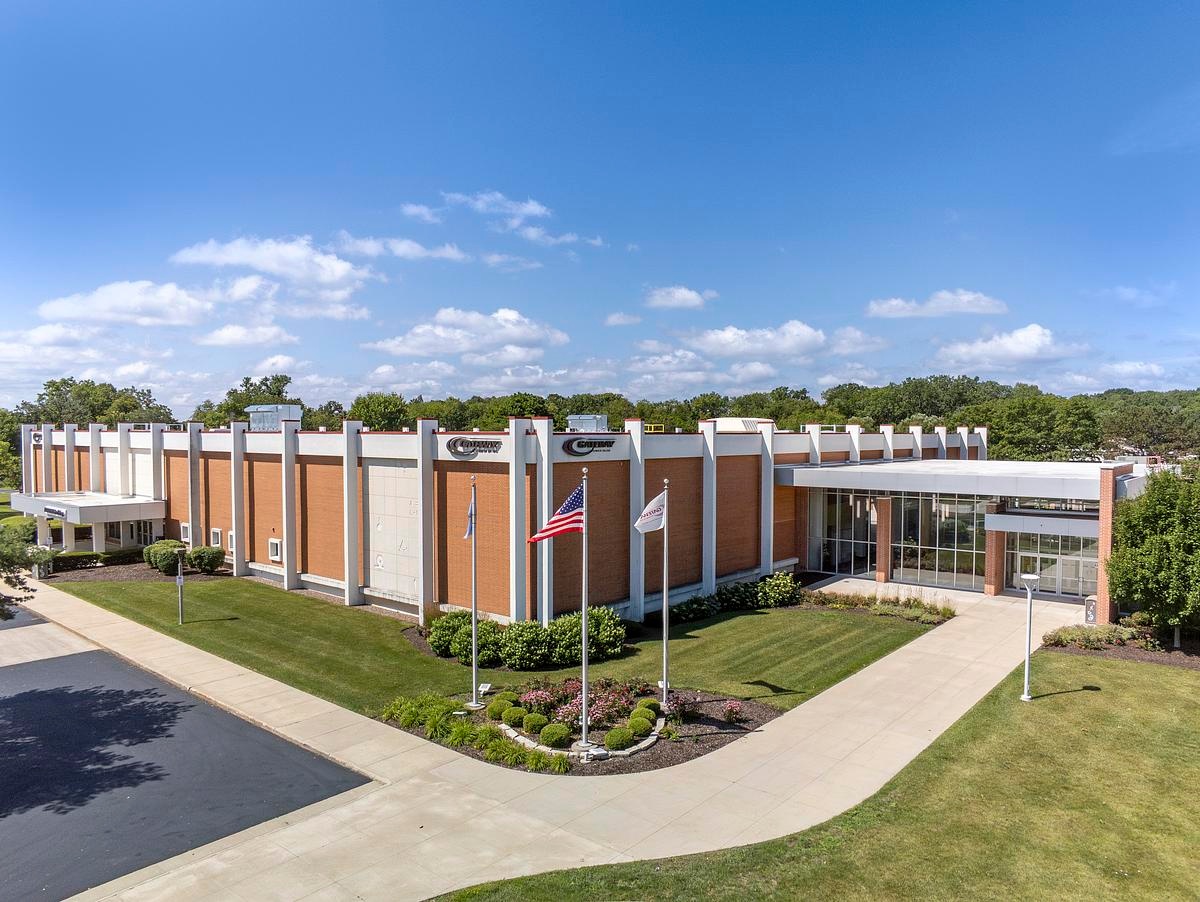
Gateway Technical College in Kenosha, Wis. Photo courtesy of Gateway Technical College.
A growing number of Wisconsin high school students are taking part in dual enrollment classes to earn college credit, a trend that’s helping boost student numbers at the state’s technical colleges.
Enrollment in the Wisconsin Technical College System has risen by 18 percent since 2020. Meanwhile, enrollment at the Universities of Wisconsin stayed largely stable, dropping by half a percentage point since 2020.
A 2025 report by the Wisconsin Policy Forum found 78,703 high school students entered dual enrollment programs in the 2023-24 school year, and the vast majority earned their credits through tech colleges.
Katie Graf directs High School Partnerships for Gateway Technical College in southeastern Wisconsin, which boasts the most dual enrollment students in the state.
“(Dual enrollment) basically means that high school students have the opportunity to earn both high school and college credit at the same time,” she said. “And many of the times, those dual credit programs are free, totally free, for students and their families, which is a good thing.”
On “Wisconsin Today,” Graf discussed the rise in dual enrollment for high school students and what career fields are attracting interest.
The following interview was edited for brevity and clarity.
Rob Ferrett: What is Gateway doing that’s generating success at dual enrollment?
Katie Graf: We have seen a tremendous amount of growth over the last 10 years — about an 150 percent increase — and it just really all starts with our partnerships. We can’t do dual credit without our partners at our local high schools.
In southeastern Wisconsin, we have 55 different high schools that we are partnering with to offer all of those eight different programs. And it’s just been a lot of intentionality, getting to know our high schools, getting to know our communities, and just finding their needs and helping, kind of making different programs available for students.
RF: I’m interested in getting a sense of the students who are participating in this. Do you have a sense of the breakdown of who’s going there for what reason?
KG: We have the majority of our dual credit programs and classes in career and technical education. Our most popular classes are in business, marketing, nursing assistant, welding, to name a few. In some cases, I think students are doing a little bit of exploration. But in others, I think students are coming in knowing that they want to get into a very specific career field. And I think that’s been a change I’ve definitely seen over the last 5-10 years, that intentionality.
When I started doing this work, back in 2017, we saw a lot of students just taking random courses, and they were excited. They’re like, “I have 30 college credits!” And then you pull up their transcript, and you’re like, “But what are you studying?” And sometimes, that’s a good thing, right? Students are taking classes and finding what they’re interested in. But we’ve had this shift over the last few years where students are being really intentional.
RF: Is there something you see as a hot emerging field of study that a lot of students are chasing right now?
KG: Right now, it’s a lot of welding, but also a lot in the health care field. We have about 400 students earning their technical diploma in nursing assistant through dual credit programs. These students are then able to get that CNA license, in which they’re even able to apply what they’re learning in the classroom through a youth apprenticeship program, which is another dual credit program.
That’s been a very exploding area for us, nursing assistants, students really wanting to get into the health care field, which is great because we’re also hearing it from our local employers. They need more CNAs, and it’s just great to see students in high school interested in getting into that field. And you know, maybe students are going to be a CNA for the rest of their life, or maybe students are using it as that stepping stone, building different career pathways and earning more credentials after they’ve graduated from high school, which is awesome.
Rising dual enrollment for high schoolers contributes to Wisconsin technical college growth was originally published by Wisconsin Public Radio.
If you think stories like this are important, become a member of Urban Milwaukee and help support real, independent journalism. Plus you get some cool added benefits.