EnglishEspañolDeutschБългарски
Follow Urban Milwaukee on Twitter Like Urban Milwaukee on Facebook Subscribe to Urban Milwaukee via email Subscribe to Urban Milwaukee via RSS

City Plan Commission Meeting

Jul 12th, 2009 | By | Category: Events

The City Plan Commission (CPC) is the City’s official planning body established under State statute and is responsible for master planning activities. The CPC advises the Common Council on a variety of land development issues including zoning map changes, revisions in the zoning ordinance, subdivision approvals, business improvement districts, street and alley vacations, public land disposition and acquisition, new streets and the approval of development plans in certain overlay districts.

City Plan Commission (CPC) are held in the First Floor Boardroom at the Department of City Development, 809 North Broadway, unless otherwise noted.

Agenda


Milwaukee County: Committee on Economic and Community Development Meeting

Jul 12th, 2009 | By | Category: Events

The Milwaukee County Economic & Community Development oversees the administration of federal, state and local housing programs in the county, including the Urban Community Development Block Grant Program. Matters pertaining to economic development of Milwaukee County, including the best disposition of county properties, are decided by this Committee. It also makes decisions on the Research Park and the Airport Business Park.

Meets at 9:00 A.M. on the 2nd Monday before the County Board Meeting in room 203-R of the Milwaukee County Courthouse.

Agenda


2010 City of Milwaukee Budget Hearing

Jul 12th, 2009 | By | Category: Events

The City of Milwaukee in working to construct a 2010 City of Milwaukee Budget that balances the needs of the community. The public hearing is to inform citizens about the choices city leaders have to weigh in setting priorities for improving Milwaukee.

Milwaukee County War Memorial Center
Memorial Hall
750 North Lincoln Memorial Drive

Invite


Milwaukee Arts Board Meeting

Jul 12th, 2009 | By | Category: Events

The Milwaukee Arts Board (MAB) was created to enhance the development, cultural diversity, accessibility and enjoyment of the arts for Milwaukee’s citizens.

Arts Board meetings are usually held the 2nd Tuesday of every month; no meeting is held in August. Meetings take place at 4:00 p.m. in Room 301A of City Hall, 200 E. Wells Street.

Agenda


Community and Economic Development Committee Meeting

Jul 12th, 2009 | By | Category: Events

This public hearing is being held to obtain citizen comments on both the proposed Consolidated Strategy and Plan and the proposed 2010-2014 Funding Allocation Plan.

Dr. Benjamin Carson Academy of Science
4920 W. Capitol Drive

Agenda


Community and Economic Development Committee Meeting

Jul 12th, 2009 | By | Category: Events

This public hearing is being held to obtain citizen comments on both the proposed Consolidated Strategy and Plan and the proposed 2010-2014 Funding Allocation Plan.

United Community Center
1028 S. 9th Street

Agenda


Steering & Rules Committee Meeting

Jul 12th, 2009 | By | Category: Events

The Steering and Rules committee, which consists of the Council President and the chairs of the other standing committees, formulate polices and rules for the Common Council, oversees charter schools, and considers extraordinary matters affecting multiple committees.

Agenda

City Hall
200 East Wells Street, Room 301-B
Milwaukee, WI 53202


Public Works Committee Meeting

Jul 12th, 2009 | By | Category: Events

The Public Works Committee is responsible for physical services provided by the city such as street and alley maintenance, waste collection, disposal and recycling, sewer, water and flood control projects, assessments, public buildings, land and waterways.

Public Works Committee meetings start at 9:00 a.m. and are held in the Room 301-B, City Hall, unless otherwise noted.

Agenda


Friday Photos Friday, 10. July 2009

Jul 10th, 2009 | By | Category: Friday Photos

Bastille Days

Bastille Days

Bastille Days

Bastille Days

Bastille Days

Bastille Days

Bastille Days

Bastille Days

Bastille Days

Bastille Days


The Abuse of Historic Preservation

Jul 9th, 2009 | By | Category: 1550 N. Prospect Avenue, Bay View, Downer Avenue Development, Sydney Hih Square

Sydney HihSaving and restoring historic buildings is vital to any city.  The mixture of styles, ages, heights, and character helps to create an interesting vibrant urban environment.  Further, it is useful to have a mix of buildings with differing ages, because this allows for a variety of rental prices which allows new businesses to grow in old buildings. Unfortunately, these goals and ideals are far too often not why historic designation of buildings is implemented in Milwaukee.  More often not our historic preservation laws are utilized for anti-development purposes, ensuring the status quo instead of pro-preservation and the redevelopment of existing buildings.

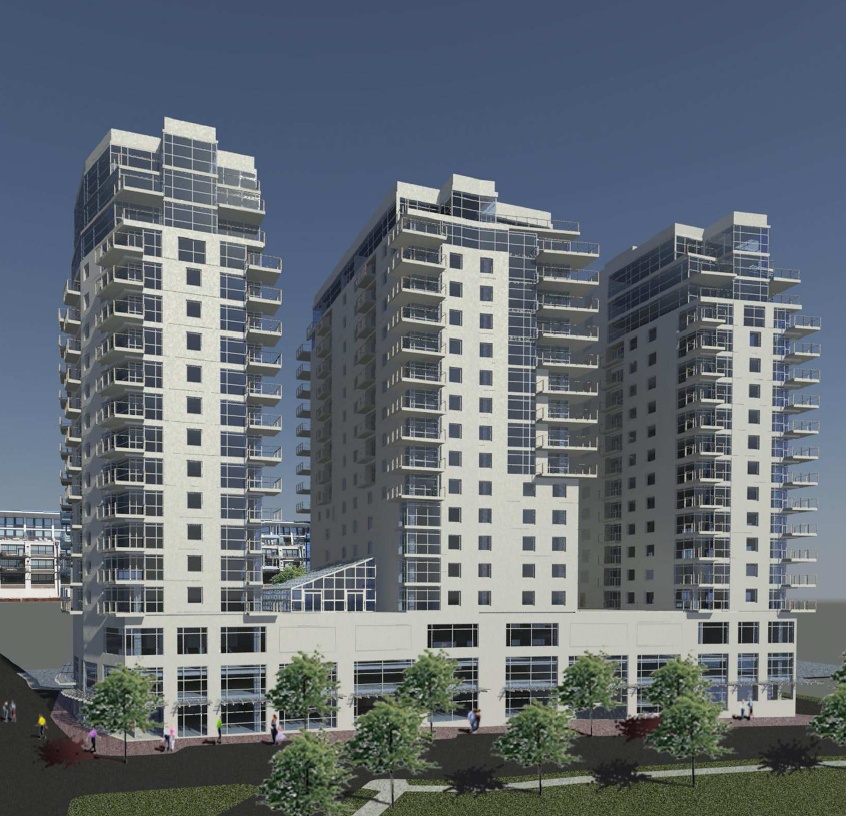
On Downer Avenue residents and New Land Enterprises bickered over if a surface parking lot could be developed or not, because it abutted a historic district.  Along Prospect Avenue residents of 1522 On the Lake attempted to stop the building of Transera, by arguing it was on the same property as the Goll Mansion and therefore it couldn’t be developed as a high-rise.  In both cases some level of actual restoration of neighboring buildings was part of the proposal, but these goals were not given much weight by those in opposition to the projects.  In both cases the historic preservation laws were twisted in an attempt to preserve the status quo, and in the case of the Transera project to preserve a view, not to preserve any historic buildings.

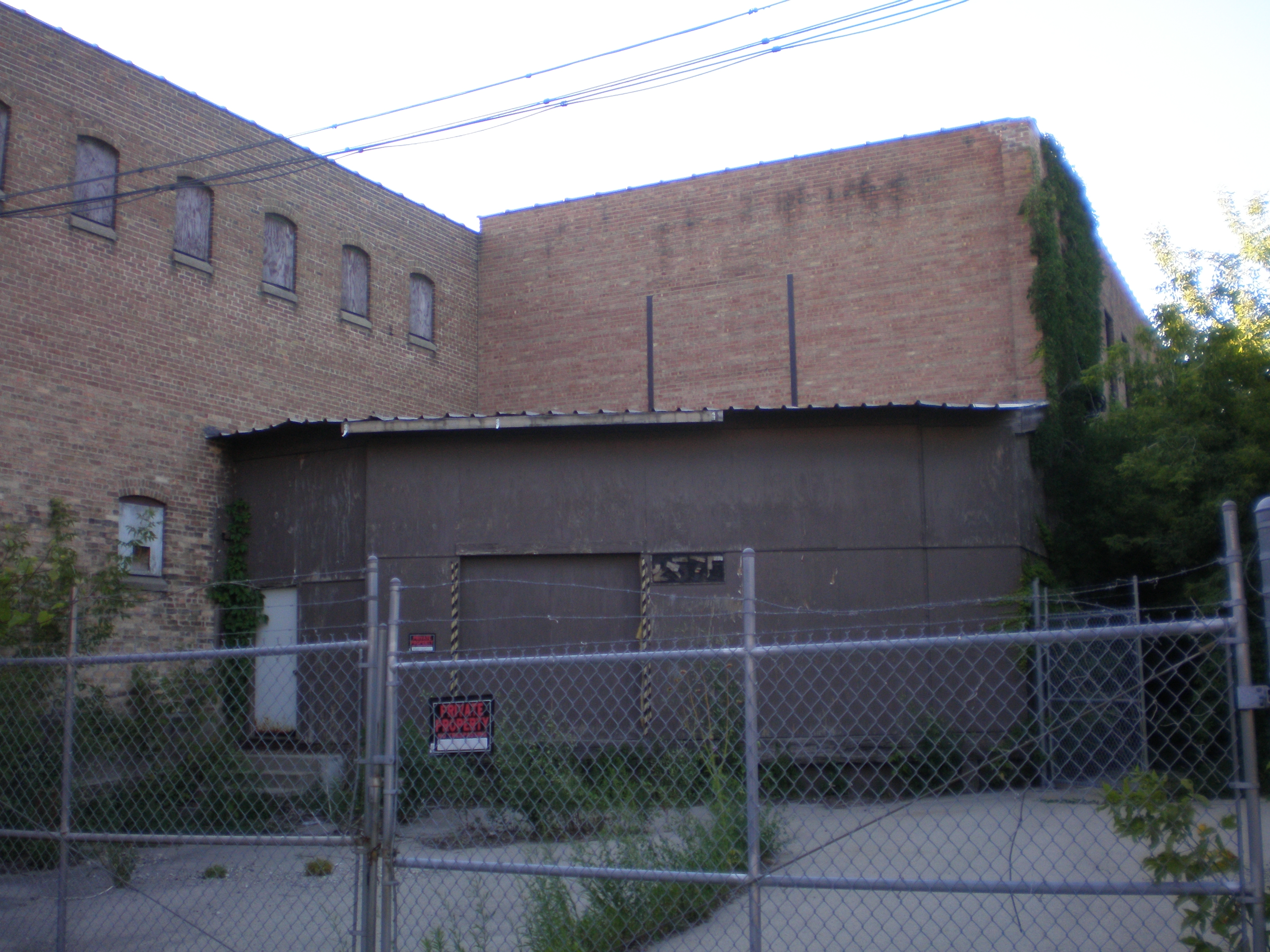
Down in Bay View the Hide House recently received interim historic status despite similar, if not more historic, tanneries being demolished in recent years.  In this case, it seems the opposition was around the low-income apartment building that the developer was planning on building.  In downtown Milwaukee, the Sydney Hih building was recommended for historic preservation by a union representative, while local unions were attempting to negotiate a deal with the future hotel operators of the Palomar project.

All of these projects have one thing in common, the majority of the opposition wasn’t really about historic preservation.  The process shouldn’t be utilized to protect a view, keep low-income residents out, or stop the construction of a new building in the neighborhood.  It should be used to save historic structures, and encourage their adaptive re-use.  If historic preservation is worthwhile and to be valued, then the process shouldn’t be tainted.  This abuse must stop.