Wisconsin’s Class of 2026 Entering Toughest Job Market Since COVID-19
Rate of job openings nearly cut in half since 2022. What's driving decline?
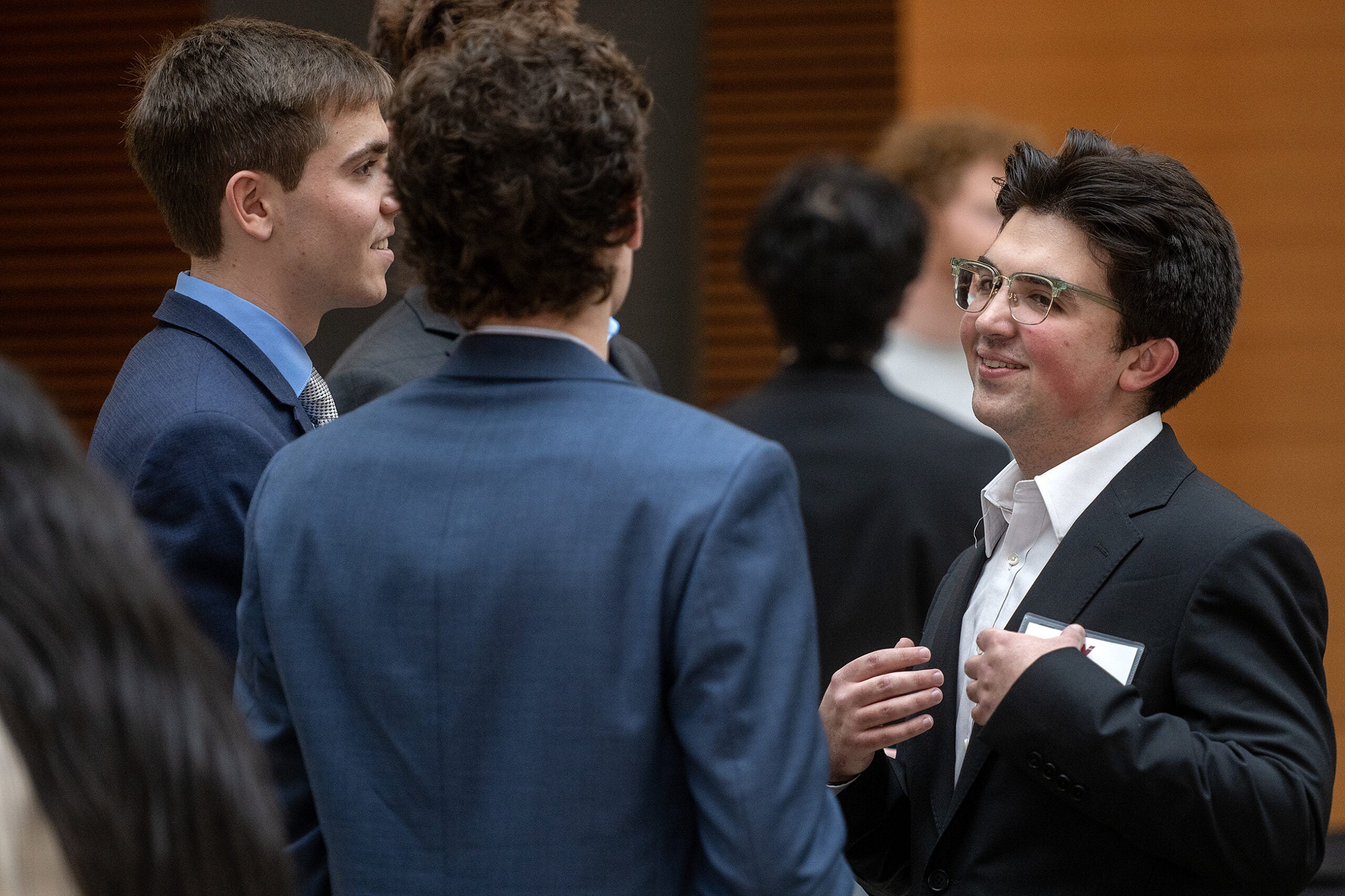
UW-Madison international business major Carlos Bello, right, speaks to other students during a networking event Friday, March 20, 2026, at UW-Madison in Madison, Wis. Angela Major/WPR
Carlos Bello sent out 60 to 70 job applications early this spring. But with less than two months left before he graduates from the University of Wisconsin-Madison, he still hadn’t landed a job.
Bello, an international business major with a sports communications minor, interned with the Milwaukee Bucks before his junior year of college and with the National Hockey League before his senior year. So he focused his search on the sports entertainment and consulting industries.
At a consulting competition on campus in late March, Bello told WPR he felt he had “the background of a qualified candidate,” but “it’s really about who you know and how you sell yourself” in resumes and interviews.
“I’ve been a bit more picky regarding where I’m applying to,” he said. “But it’s still been a struggle, and I’m actually thinking about casting a wider net.”
This year’s grads are trying to begin their careers in the toughest job market since the COVID-19 pandemic, which experts say has been driven by a broader slowdown in hiring.
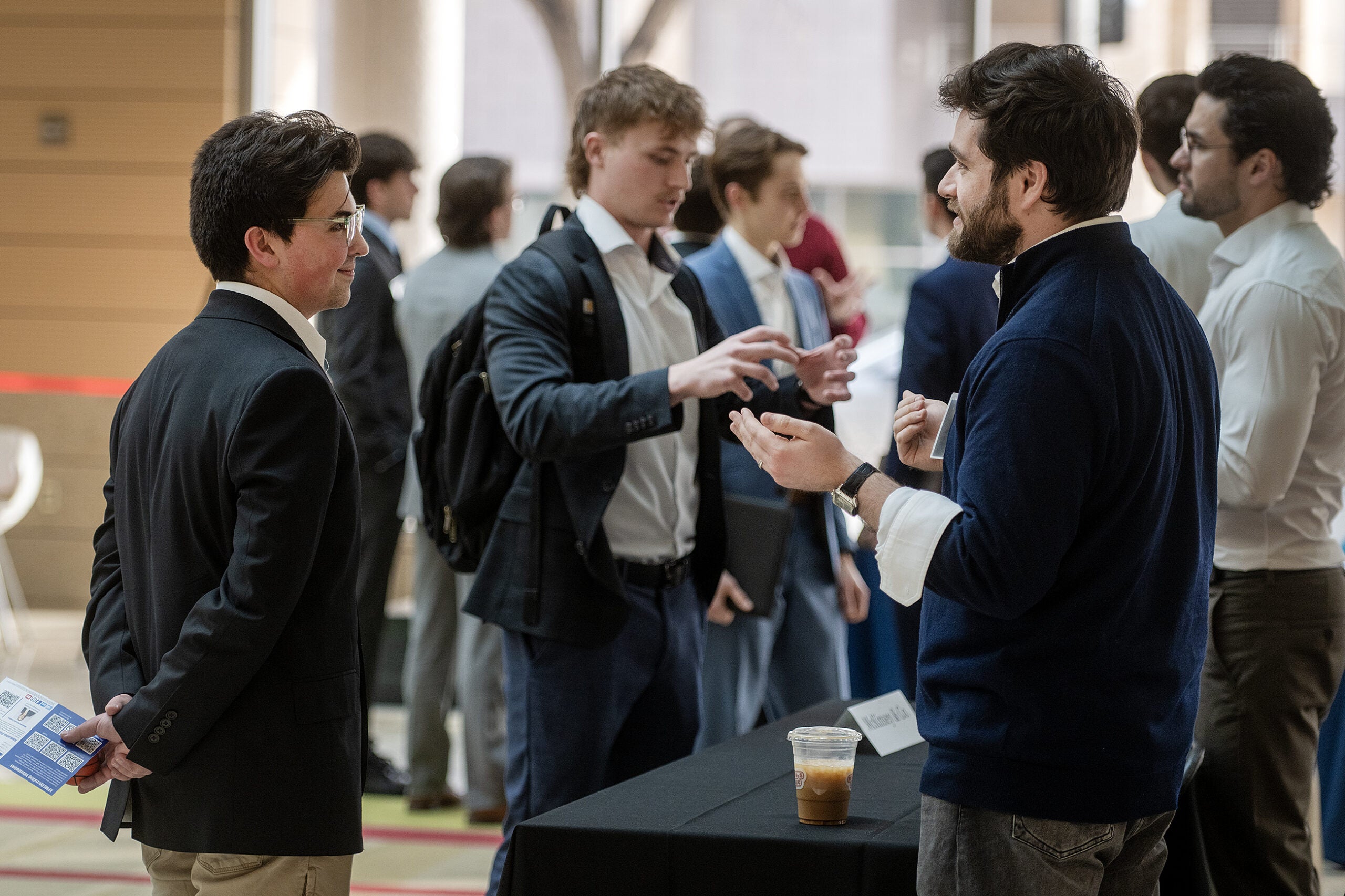
UW-Madison international business major Carlos Bello, left, mingles with fellow students and employer representatives at a networking event Friday, March 20, 2026, at UW-Madison in Madison, Wis. Angela Major/WPR
Labor market ‘not nearly as hot’ as it was after the pandemic
Nicholas Jolly, a labor economist and associate professor of economics at Marquette University, said the labor market is “not nearly as hot” as it was in the years after the pandemic, which saw strong job growth as the economy reopened.
“We had a very tight labor market post-pandemic,” he said. “It’s now softened as markets have adjusted.”
Unemployment has remained low at 4.3 percent nationally in March and 3.4 percent in Wisconsin in February, the most recent months with available data. But the rate of job openings has been nearly cut in half since its peak in 2022.
“If the overall labor market is getting softer, it stands to reason that it’s going to get softer for entry-level jobs as well,” Jolly said.
As the market cools, employers often raise experience or skill requirements for open roles, making it harder for recent graduates to qualify, he said.
“It does make it harder to meet what would be called the minimum qualifications on those job advertisements,” he said. “It does make it hard to land that first job as quickly as before.”
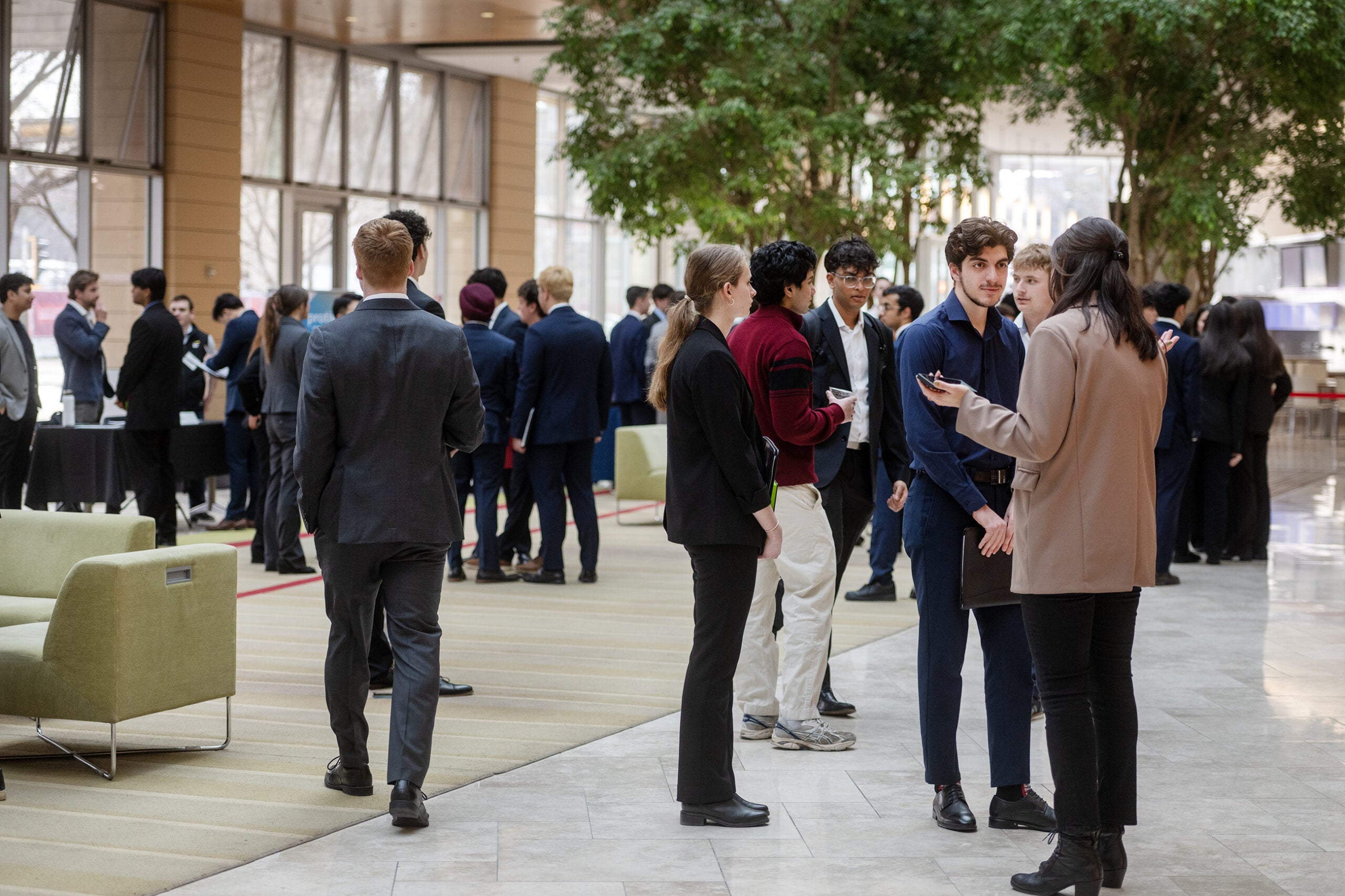
Students gather at an employer showcase event where they can network and meet other future graduates Friday, March 20, 2026, at UW-Madison in Madison, Wis. Angela Major/WPR
Along with the post-pandemic cooldown, economists also say uncertainty surrounding shifting tariffs, immigration policies and the conflict in the Middle East are contributing to the soft labor market.
“When you can’t predict the future, or you’re very uncertain about it, you tend not to do anything,” said John Nunley, an economics professor at UW-La Crosse who specializes in labor economics. “That would include companies not hiring, not expanding, and so forth. Businesses need to be able to plan.”
But there are signs the job market could improve after being “lackluster” for two years, according to the National Association of Colleges and Employers.
A new employer survey released in April, based on 185 respondents, showed employers expect to increase hiring new college grads from the class of 2026 by 5.6 percent, after a relatively flat projection this past fall.
Economists say there’s little evidence that the rapid growth of artificial intelligence is driving the slowdown, but it’s hard to predict how the technology will change the job market in the long-run.
“Anything you say today may not be true in five years,” Nunley said. “It’s really difficult to predict technology.”
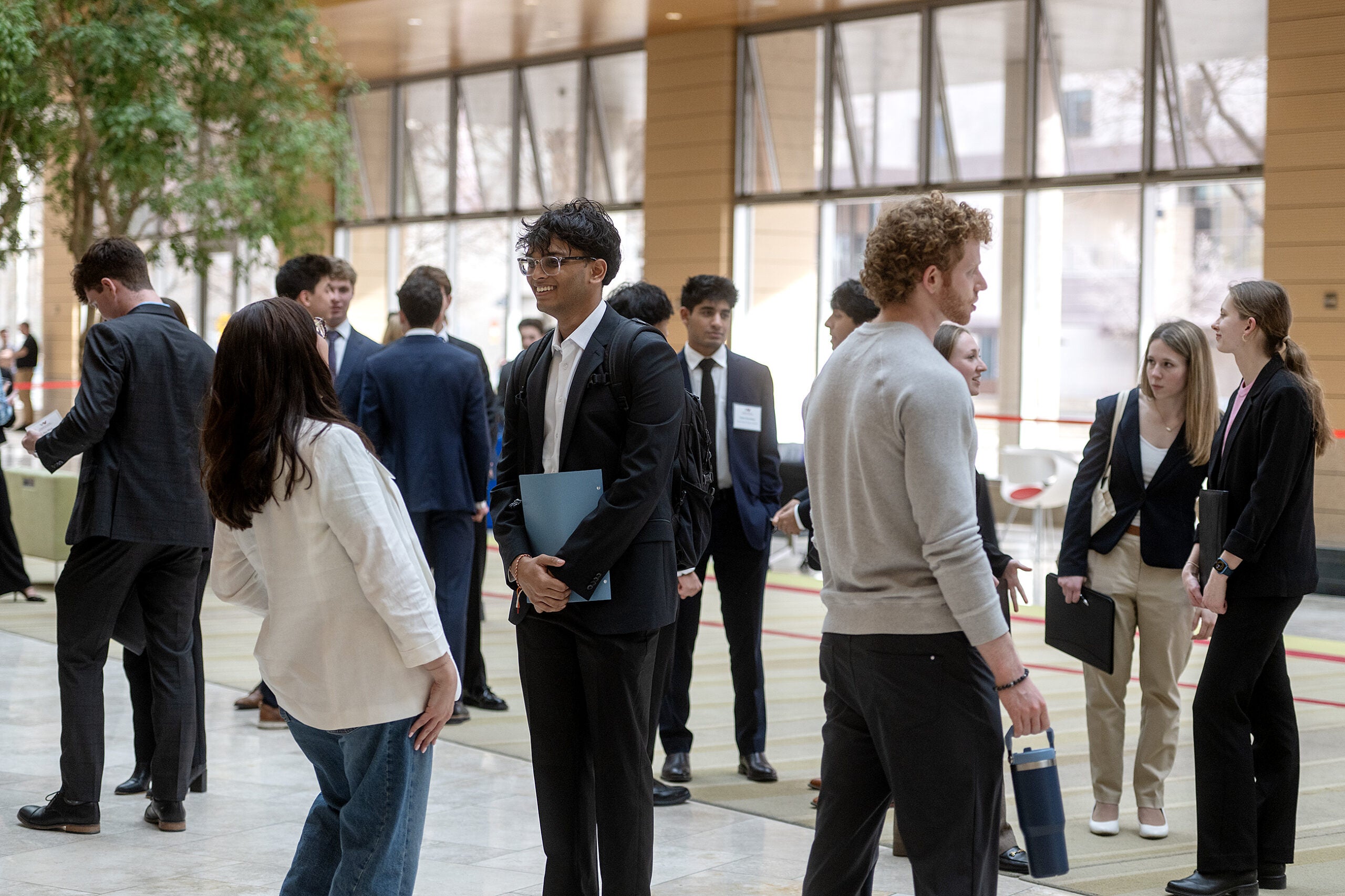
College students seeking employment after graduation gather for a networking event Friday, March 20, 2026, at UW-Madison in Madison, Wis. Angela Major/WPR
AI may reshape entry-level jobs, but its impact has been limited so far
While some believe artificial intelligence could reshape entry-level work by automating routine administrative roles, Jeff Palkowski, state director for the Wisconsin Society for Human Resource Management Council, said its impact on hiring seems to have been limited so far.
“I don’t know that it’s made a huge impact yet, but I think it’s something that’s on the horizon that we’re all watching to see when that takes place,” Palkowski said. “Right now, whether it’s actually impacting headcount, and they’re hiring less people, I can’t say. It’s probably going to be more on a case by case basis.”
But Palkowski said AI is shaping the process of finding work.
He said AI has allowed job applicants to feed a job posting into a generative AI model to create cover letters, update resumes and automate application materials.
And Palkowski said some companies are using AI to screen applications, but he said doing so could open employers up to legal liability if a model discriminates against an applicant.
“AI can be biased, it can give false information,” he said. “It’s still that human element that still needs to be involved.”
And familiarity with the technology is increasingly becoming a job skill employers are looking for.
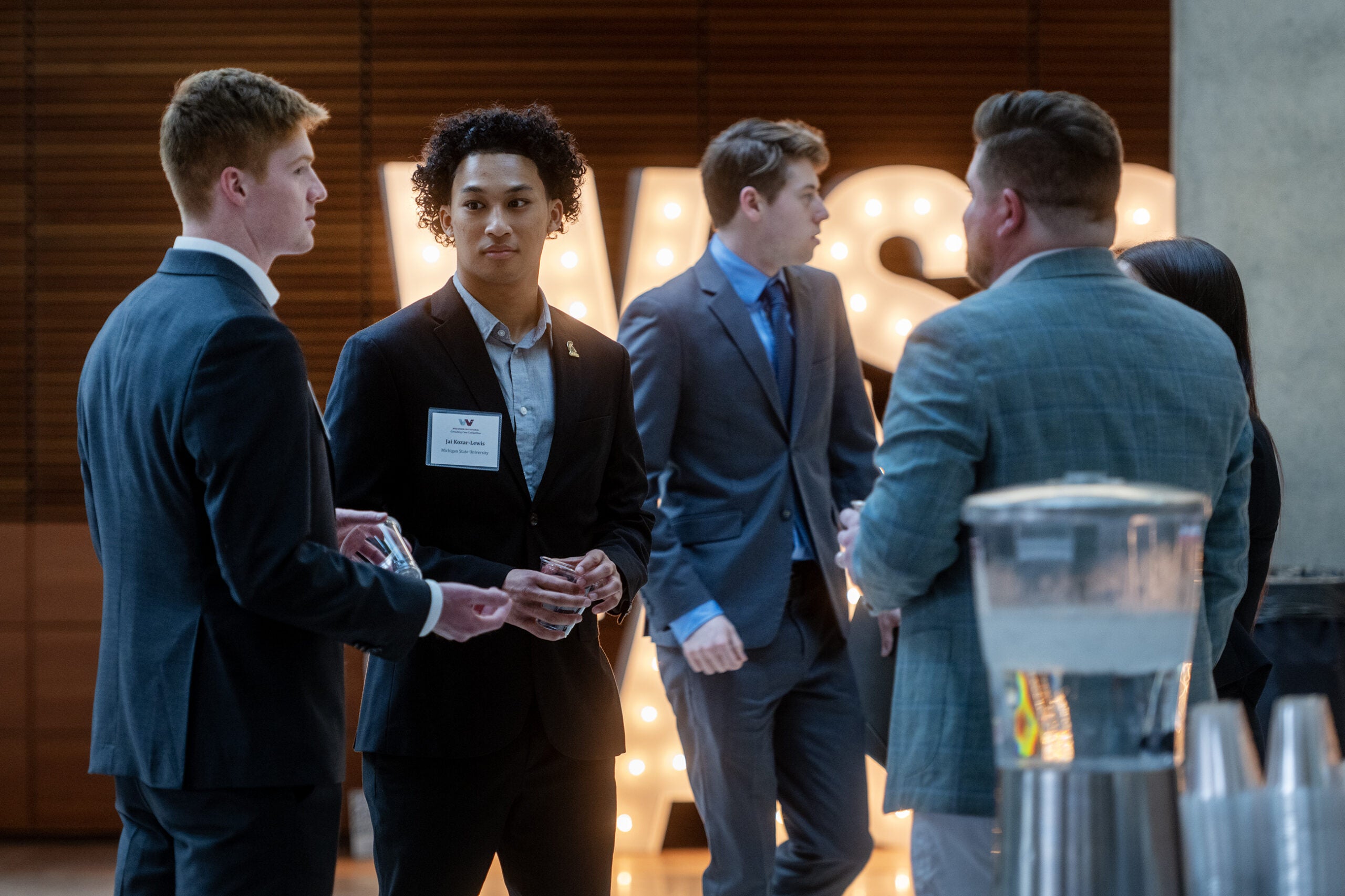
Jai Kozar-Lewis, a supply chain management major from Michigan State University, second from left, networks during an employer showcase Friday, March 20, 2026, at UW-Madison in Madison, Wis. Angela Major/WPR
Recent National Association of Colleges and Employers surveys show the share of entry-level jobs requiring AI skills is growing, up from 13 percent in the fall to 35 percent this spring.
Jolly, the Marquette labor economist, said AI is likely to “become a part of the workforce no matter what,” which means workers will need to show they can add value to an organization “over and above whatever AI is producing for them.”
Laurie Marks is the executive director of the UW-Milwaukee Center for Student Experience and Talent. Regardless of advances in technology, she said experiences outside the classroom through internships, undergraduate research, clubs or student organizations are critical to gaining transferable skills and building a professional network.
“The graduates who thrive in the labor market right when they leave are the ones who engage, not only in their coursework, but did things like internships and project-based work,” she said. “Those are the things that are like the secret sauce to really launching a meaningful career.”
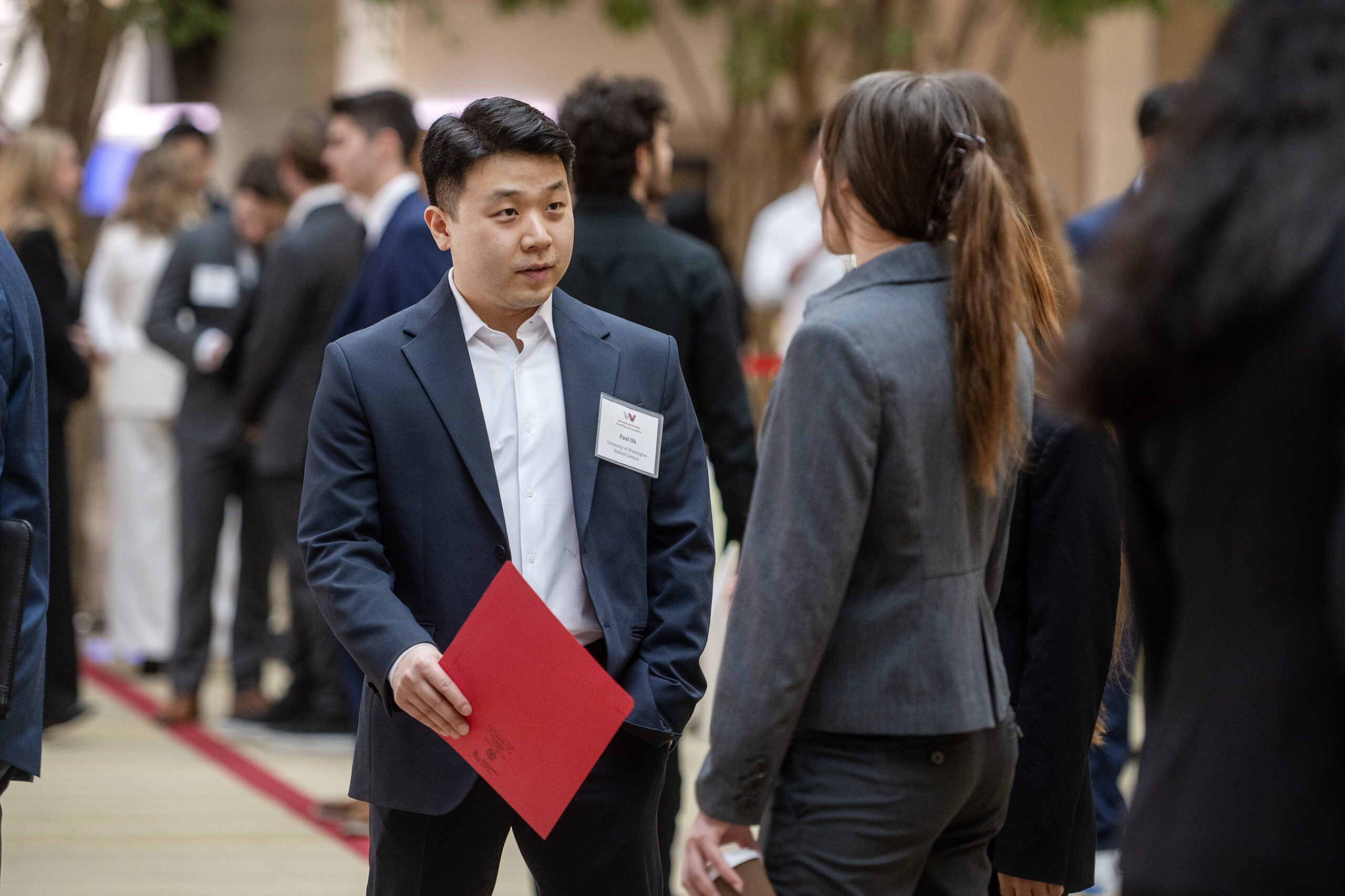
Paul Oh, a senior business administration major at University of Washington Bothell, speaks to another student during a networking event Friday, March 20, 2026, at UW-Madison in Madison, Wis. Angela Major/WPR
What are students seeing?
Students from around the country came to the Wisconsin Invitational Consulting Case Competition in Madison in March, the competition a chance to network with potential employers. The crowd included graduating seniors — some who had already secured jobs, others still on the hunt — as well as underclassmen looking for internships.
Paul Oh, a senior business administration major at University of Washington Bothell, said he had not yet found a job after submitting about 20 applications jobs in accounting, sales or administration.
“I think there are still opportunities out there,” he said. “But hearing from friends who are already in their career, they are pretty much saying, ‘Oh yeah, the job market is not looking good.’ And their departments or their companies that they’re working at, they are pretty much freezing hiring additional employees.”
Jai Kozar-Lewis, who is graduating from Michigan State University with a degree in supply chain management, said he was hired at Boston Consulting Group’s Chicago office after interning with the company last year.
“Honestly, it is such a relief not to have to recruit,” he said, adding that the job market “is really tough right now.”
He said he has friends who were looking for full-time jobs but are now considering other options, like graduate school, “because it’s so tough and they can’t find jobs.”
As students felt like the job market has grown competitive and the impact of AI remains uncertain, those who hadn’t found jobs said they were staying hopeful.
“If I do graduate without a job, I won’t feel worse about myself,” said Bello, the UW-Madison senior. “I’m still proud of, first of all, graduating from the University of Wisconsin. But second of all, I know that an opportunity will eventually show up.”
Wisconsin’s class of 2026 entering the workforce in the toughest job market since COVID-19 was originally published by Wisconsin Public Radio.
If you think stories like this are important, become a member of Urban Milwaukee and help support real, independent journalism. Plus you get some cool added benefits.