Evers Signs Roadside Drug Test Law Amid Rising Impaired Crashes
Nearly one in three fatal Wisconsin crashes involves impairment as police gain a new screening tool.
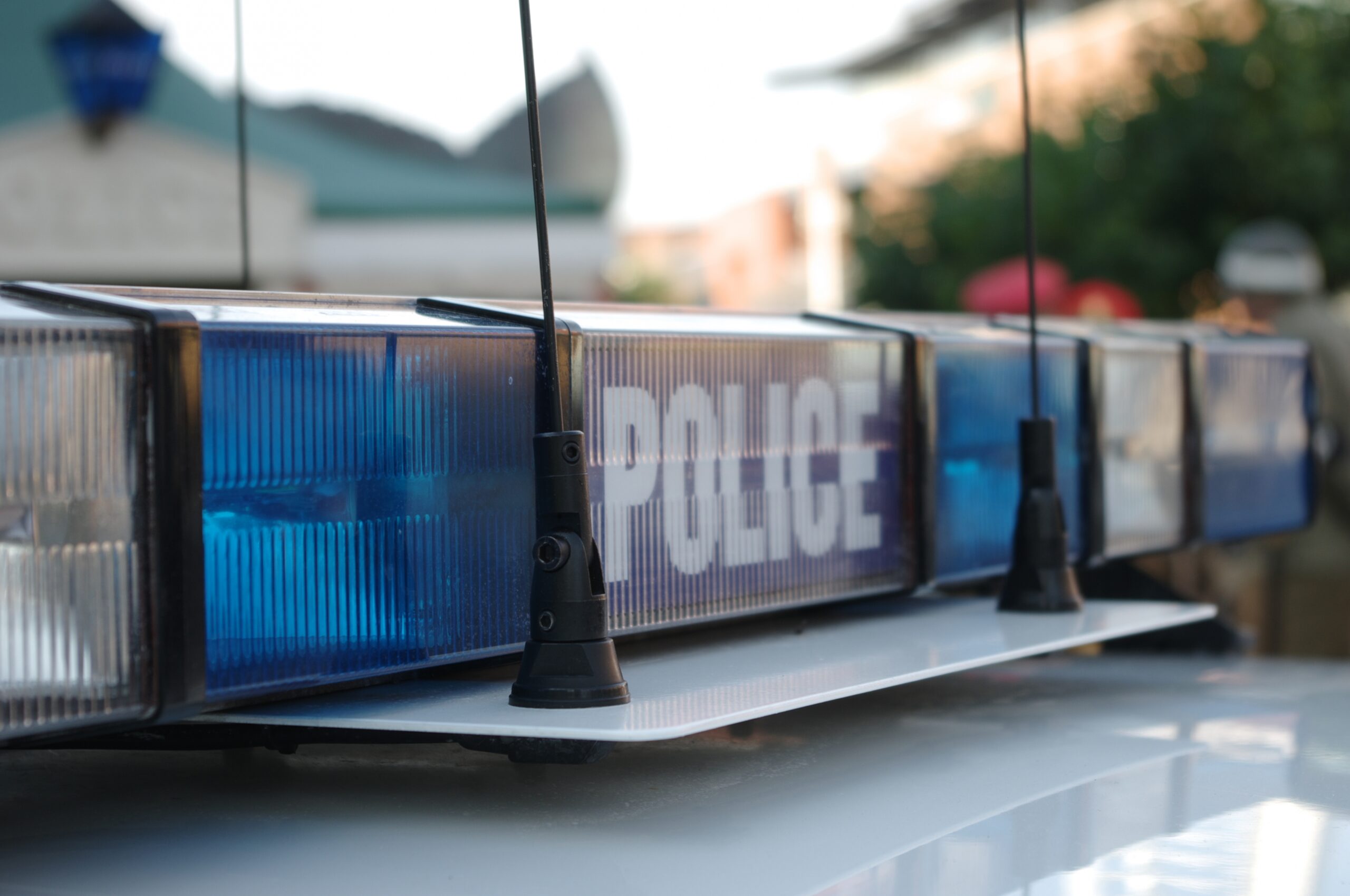
Matty Ring (CC-BY)
Wisconsin police will soon be allowed to conduct roadside saliva testing for marijuana and other illegal substances.
Supporters say the new law will help strengthen cases against suspected drugged drivers who may be flying under the radar. A Wisconsin attorney and impaired driving defense expert argues it’s “merely symbolic.”
Gov. Tony Evers signed the bill into law on last week, making Wisconsin the 25th state to pass the legislation. It comes as many states — though not Wisconsin — have legalized medicinal or recreational marijuana use. Some law enforcement officers and public health scholars say the increasing acceptance of marijuana use has given rise to drugged drivers on Wisconsin’s highways.
In a November interview with WPR’s “Wisconsin Today,” Andrew Yockey, a University of Mississippi public health professor who studies the effects of drug use, said drugged driving is on the rise.
“(Nationally), about 1 in 10 people drive under the influence of alcohol, but about 1 in 15 or 20 people now drive under the influence of marijuana and other drugs,” Yockey said.
Nearly 7,500 crashes in 2022 involved drivers impaired by alcohol or illegal drugs, according to the Wisconsin Department of Transportation. That year, almost one in every three fatal crashes included someone driving under the influence.
Police hope the establishment of roadside screening will fix this. The tests are non-invasive and fast, analyzing saliva samples to determine the presence of THC, opioids and stimulants. They are conducted pre-arrest to help prove probable cause and confirm the need to pursue lab testing.
Dane County Sheriff Kalvin Barrett spoke in support of the bill last month during a meeting of an Assembly committee.
“While alcohol impairment can often be detected through existing tools, drug impairment is more difficult to identify,” Barrett said. “Oral fluid screening would give officers an additional, objective tool to confirm the presence of drugs — much like a preliminary breath test does for alcohol — before making an arrest decision.”
Barrett, a member of the legislative committee for the Badger State Sheriffs’ and the Wisconsin Sheriffs and Deputy Sheriffs Association, says the results are strictly preliminary and do not “establish impairment.”
“Instead, they assist officers in developing probable cause and determining whether to pursue laboratory confirmation testing,” Barrett said.
In 2022, the National Transportation Safety Board collected toxicology data from the Wisconsin State Laboratory of Hygiene for impaired drivers who were arrested in the previous two years. They found that 84 percent tested positive for alcohol or cannabis. More than 20 percent had consumed both, while around 10 percent only had marijuana in their system.
Separately, the NTSB has found that nationally 56 percent of drivers involved in fatal crashes or those involving serious injury tested positive for at least one drug.
Andrew Mishlove is an attorney who specializes in defending impaired driving claims. He agrees that impaired driving is a problem in Wisconsin. But he’s skeptical of the new law’s efficacy, calling it “merely symbolic.”
“It’s window dressing,” Mishlove said. “It’s not a serious attempt to tackle the issue.”
He says the tests likely won’t help much in court cases and are simply a small but meaningful step toward prosecution.
“Roadside tests are not admissible in court in Wisconsin for alcohol — nor will this one be to show guilt, only to show that the officer had a right to arrest somebody and request a blood sample,” Mishlove said.
Will a new law allowing roadside drug tests help fight impaired driving in Wisconsin? was originally published by Wisconsin Public Radio.
If you think stories like this are important, become a member of Urban Milwaukee and help support real, independent journalism. Plus you get some cool added benefits.


Transportation
-
Milwaukee Plans 60 Traffic Safety Projects for 2026
 Apr 8th, 2026 by Jeramey Jannene
-
State To Reveal New I-794 Cost Estimates
 Apr 7th, 2026 by Jeramey Jannene
-
Bus Riders Can Finally Pay With Credit Card
 Apr 6th, 2026 by Graham Kilmer