
WI Supreme Court Candidates Disagree on Immigration Disputes
Can state courts get involved in disputes over federal ICE actions? Taylor and Lazar disagree.
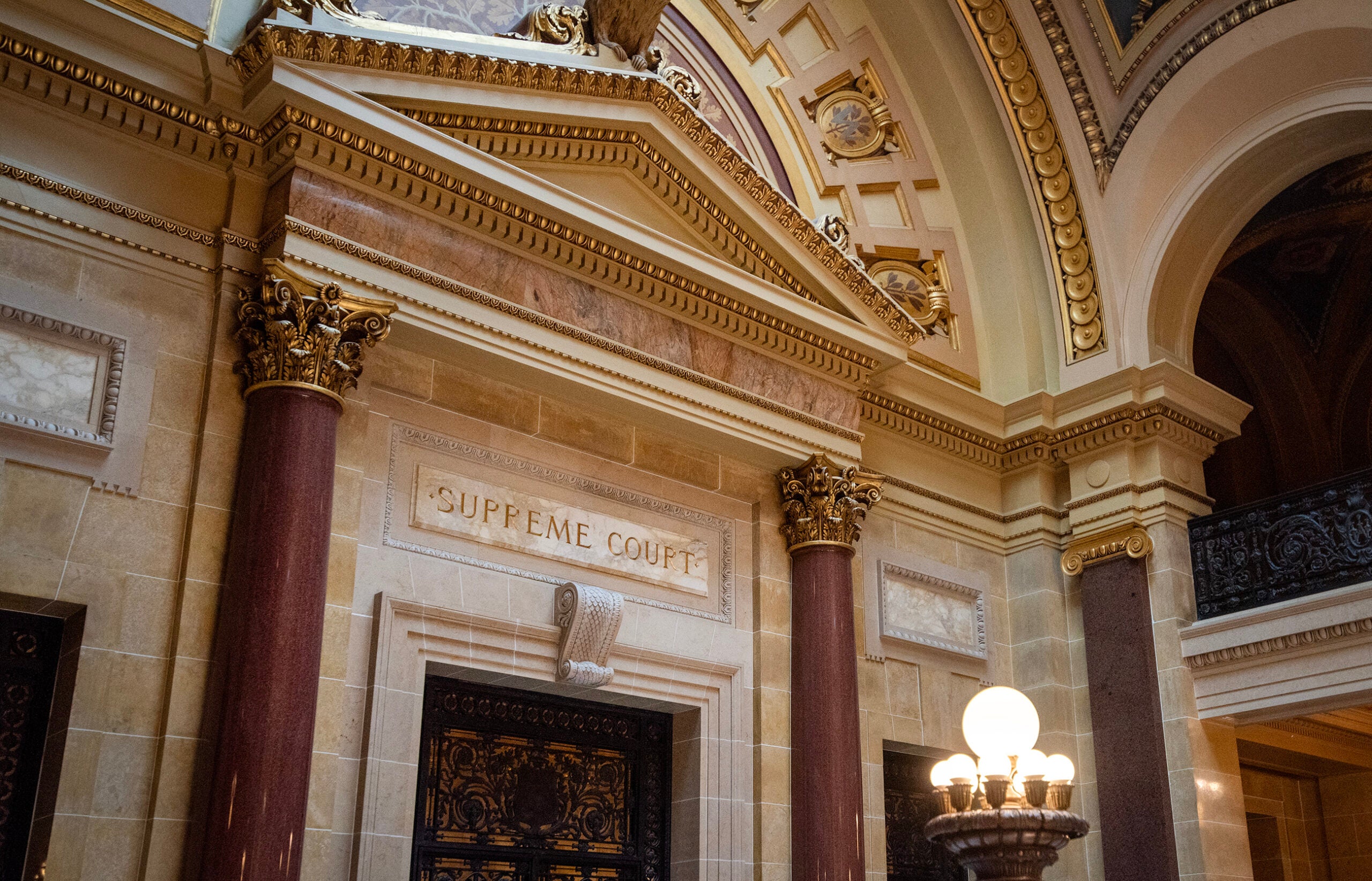
The interior of the Wisconsin State Capitol on Monday, July 14, 2025, in Madison, Wis. Angela Major/WPR
Wisconsin’s Supreme Court candidates have different opinions about the role state courts should play in disputes involving federal immigration agents.
During interviews with PBS Wisconsin’s “Here & Now,” both liberal state Appeals Court Judge Chris Taylor and conservative state Appeals Court Judge Maria Lazar voiced concern about Saturday’s fatal shooting of Alex Pretti in Minneapolis by federal agents. The death came amid a surge of immigration agents in the city ordered by President Donald Trump’s administration.
But when it came to how state courts fit into the picture if a similar surge of federal immigration agents came to Wisconsin, Lazar, who sits on Wisconsin’s District 2 Court of Appeals in Waukesha, said “it’s a federal” issue.
“In the circumstances you never want to see anyone injured or lose their life,” said Lazar. “That’s a tragedy in all respects, in every case. But I think that cooler heads have to prevail. There is a right to First Amendment freedom of speech, but I also believe that this is an excellent example of why we need our courts, in this case it’s probably federal courts, but why we need our courts to be fair, impartial and independent, to look at the facts, to make a reasoned, calm decision, and to do so fairly and justly.”
Taylor, who sits on Wisconsin’s District 4 Court of Appeals in Madison, said Wisconsin residents “are really concerned by what they’re seeing in Minnesota,” stating “they’re afraid, and I don’t blame them.” Taylor said it’s state courts that “must make sure every person who violates the law is held accountable.”
“So yes, state courts absolutely could be involved, because criminal charges are brought in state courts typically,” said Taylor. “Nobody is above the law. The Constitution applies to everyone. And so, I think that we will see some involvement, or potentially see involvement, if there are criminal charges filed in the Minnesota state courts, and that could happen here in Wisconsin as well.”
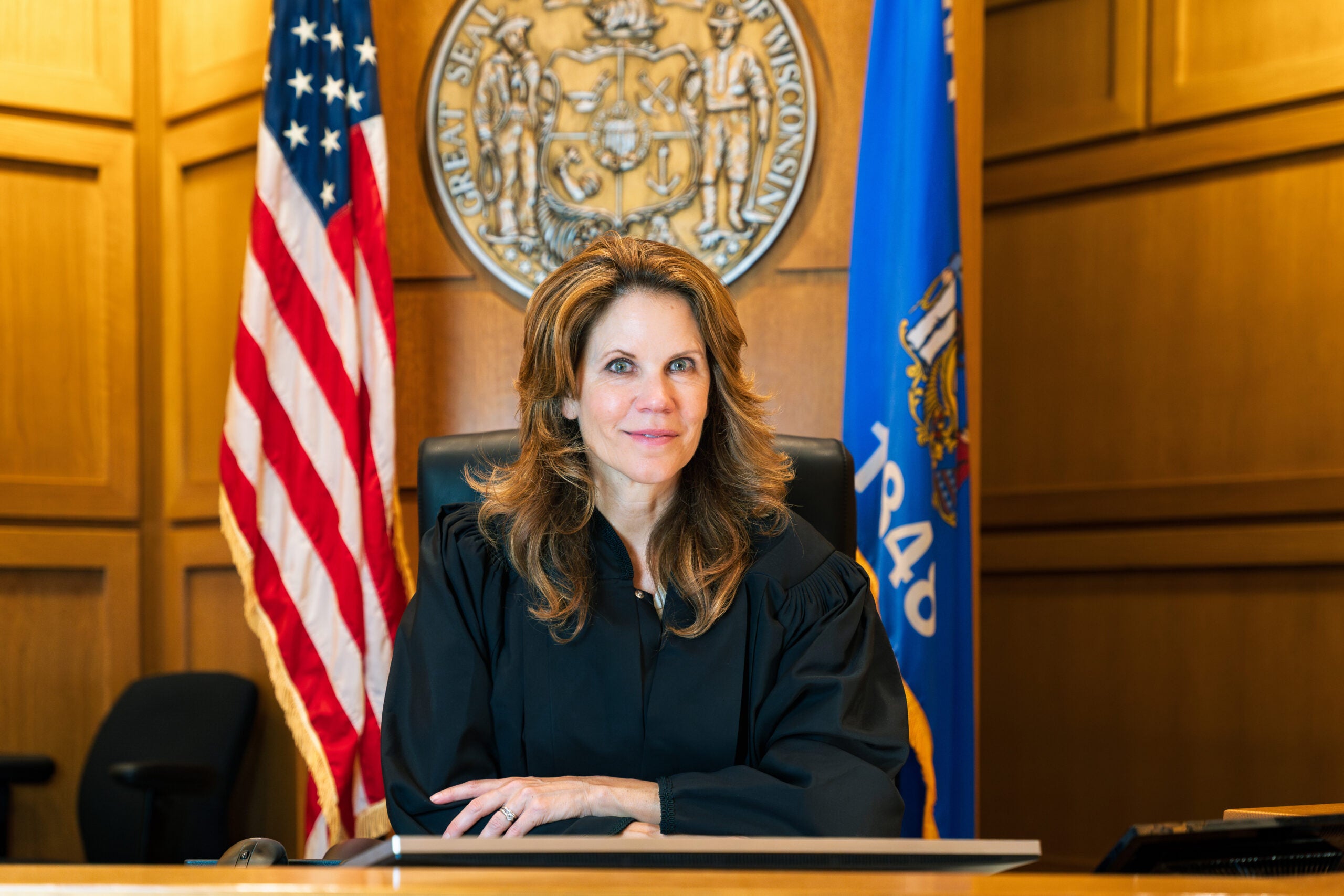
Wisconsin District 4 Court of Appeals Judge Chris Taylor is running for the Wisconsin Supreme Court in 2026. Photo courtesy of Taylor campaign
Pretti’s death has also raised concerns among gun rights advocates because he had a holstered handgun and had a Minnesota license to carry a concealed weapon. Videos show agents removing Pretti’s gun from its holster seconds before he was shot.
FBI Director Kash Patel and others in the administration have since claimed people can’t bring firearms to protests. Second Amendment advocates have pushed back against the comments.
Lazar said she’s not sure what Minnesota’s rules on concealed carry are, and wouldn’t comment on Patel’s statement.
“I think you’re violating, possibly, the Second Amendment, where people have the right to conceal carry, their right to open carry,” said Lazar.
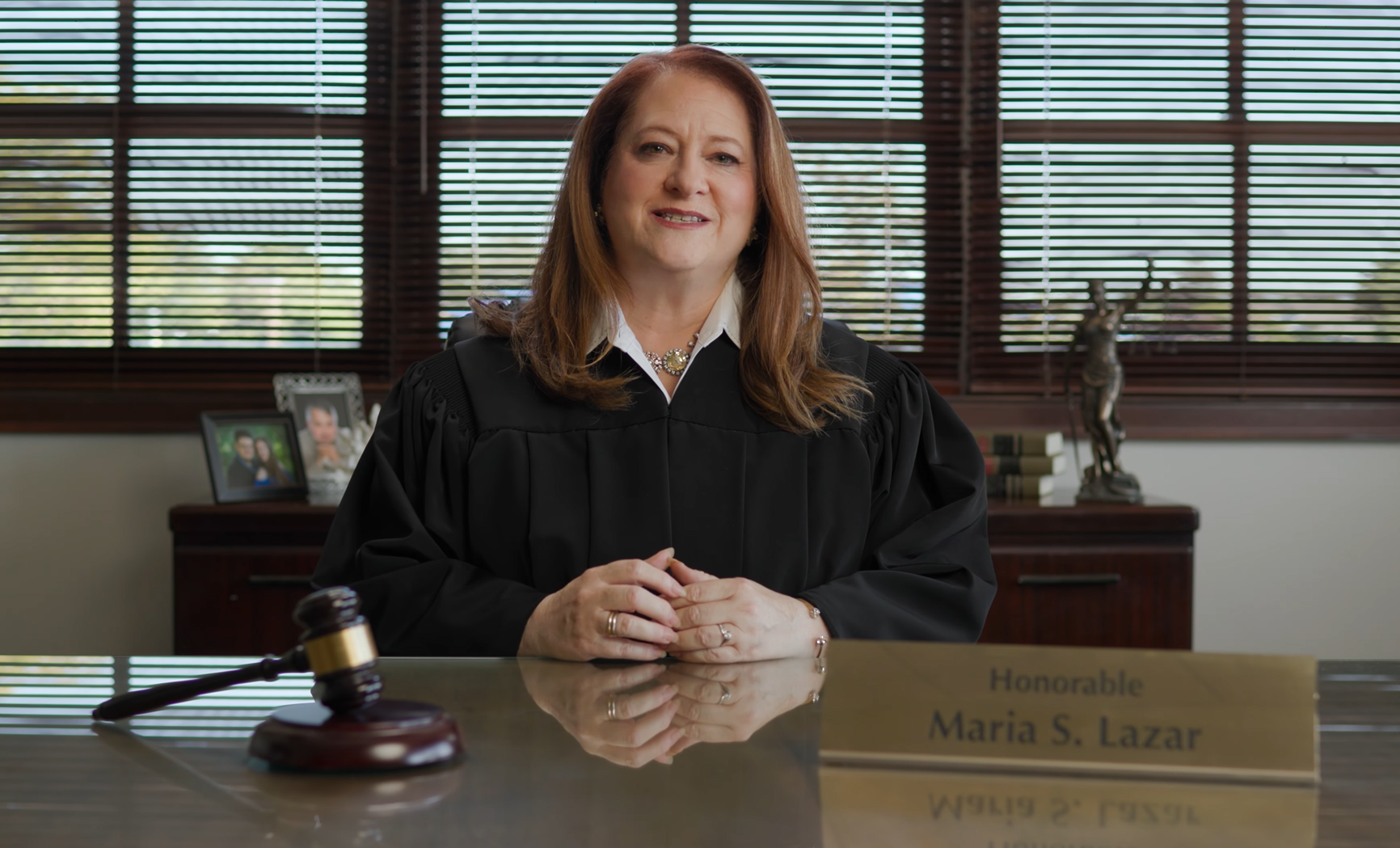
Wisconsin Appeals Court Judge Maria Lazar is running for Wisconsin Supreme Court. Source: screenshot via Lazar Campaign
Taylor also said she didn’t know what Minnesota’s concealed carry laws are.
“But what I would say is everyone should support a full and complete investigation into what occurred and if there has been unlawful activity, people need to be held accountable,” Taylor said. “I want to make sure that Minnesota has that ability to do their investigation and make their conclusions before I jump to any conclusions. But, my gosh, we should be standing in support of them being able to do that.”
Lazar and Taylor are vying for a 10-year term on the Wisconsin Supreme Court. The winner of the April election will replace current conservative Justice Rebecca Bradley who announced in August that she wouldn’t seek reelection.
On Friday afternoon, U.S. Deputy Attorney General Todd Blanche announced the Department of Justice’s Civil Rights division is investigating Pretti’s killing.
Supreme Court candidates differ on state courts’ role in federal immigration disputes was originally published by Wisconsin Public Radio.
If you think stories like this are important, become a member of Urban Milwaukee and help support real, independent journalism. Plus you get some cool added benefits.