One Year Into ICE Advance, Wisconsin Immigrants Live in Fear
Trump's immigration forces arrested nearly 1,000 people in Wisconsin last year.
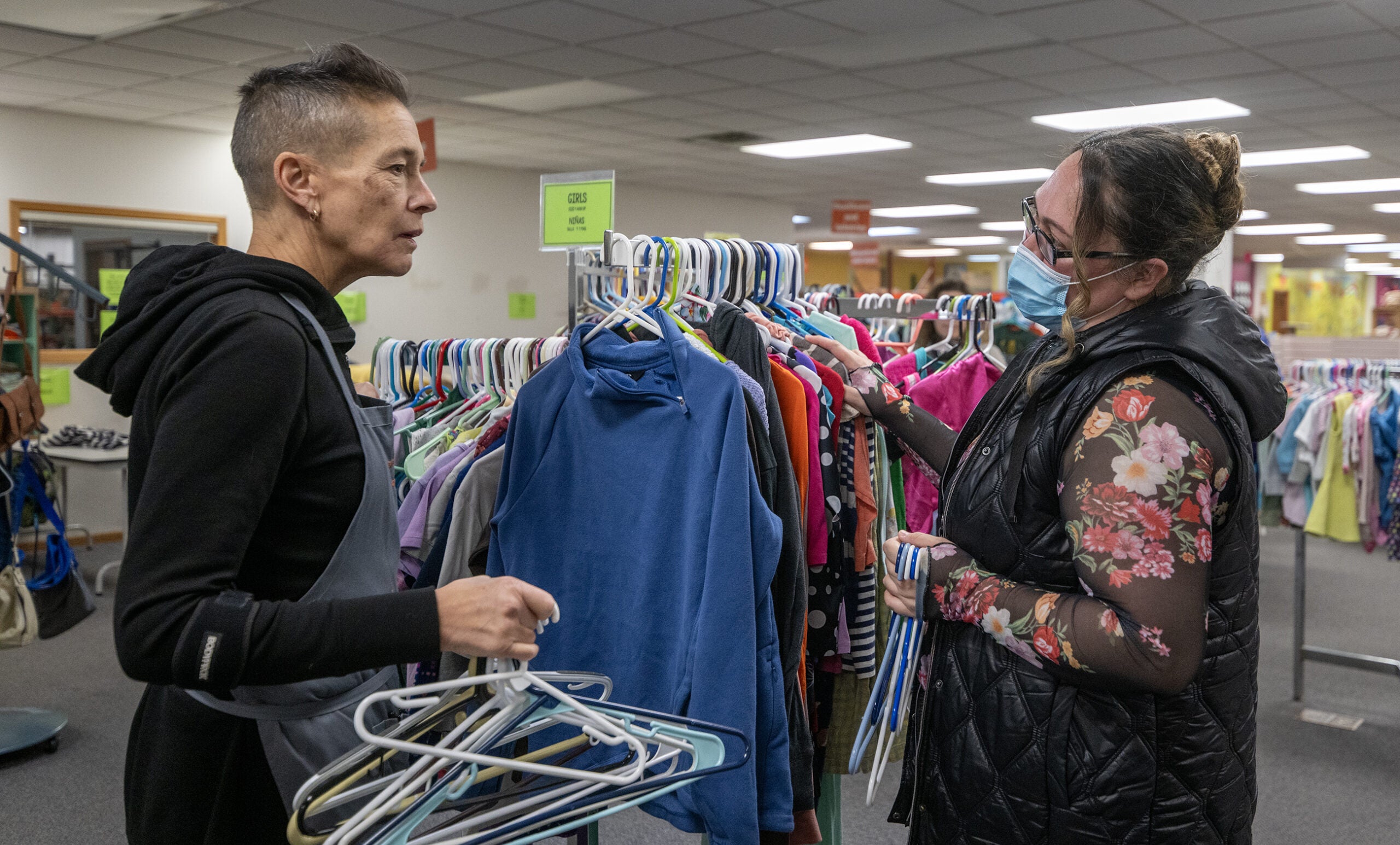
Community Space executive director Kristine Zaballos, left, speaks with volunteer Soledad Alvarez, right, on Wednesday, Jan. 7, 2026, in Whitewater, Wis. Angela Major/WPR
Soledad Alvarez volunteers a few times a week at the Community Space in Whitewater, a sprawling warehouse that’s part food bank, part community center. As people line up to get food, clothes and household items, Alvarez asks in Spanish if she can help them with medical appointments or other health care needs.
The Community Space had been seeing a growing number of immigrant families since it opened six years ago. But in the last year, Alvarez said, she has noticed a drop.“They’re afraid to come and pick up their food, because they think ICE could come here,” she said in Spanish.
“You worry if they were picked up by somebody,” said executive director Kristine Zaballos. “You worry if they are holed up at home and unable to get needed resources like medical attention. You worry that they might have gone back to a country that wasn’t safe for them.”
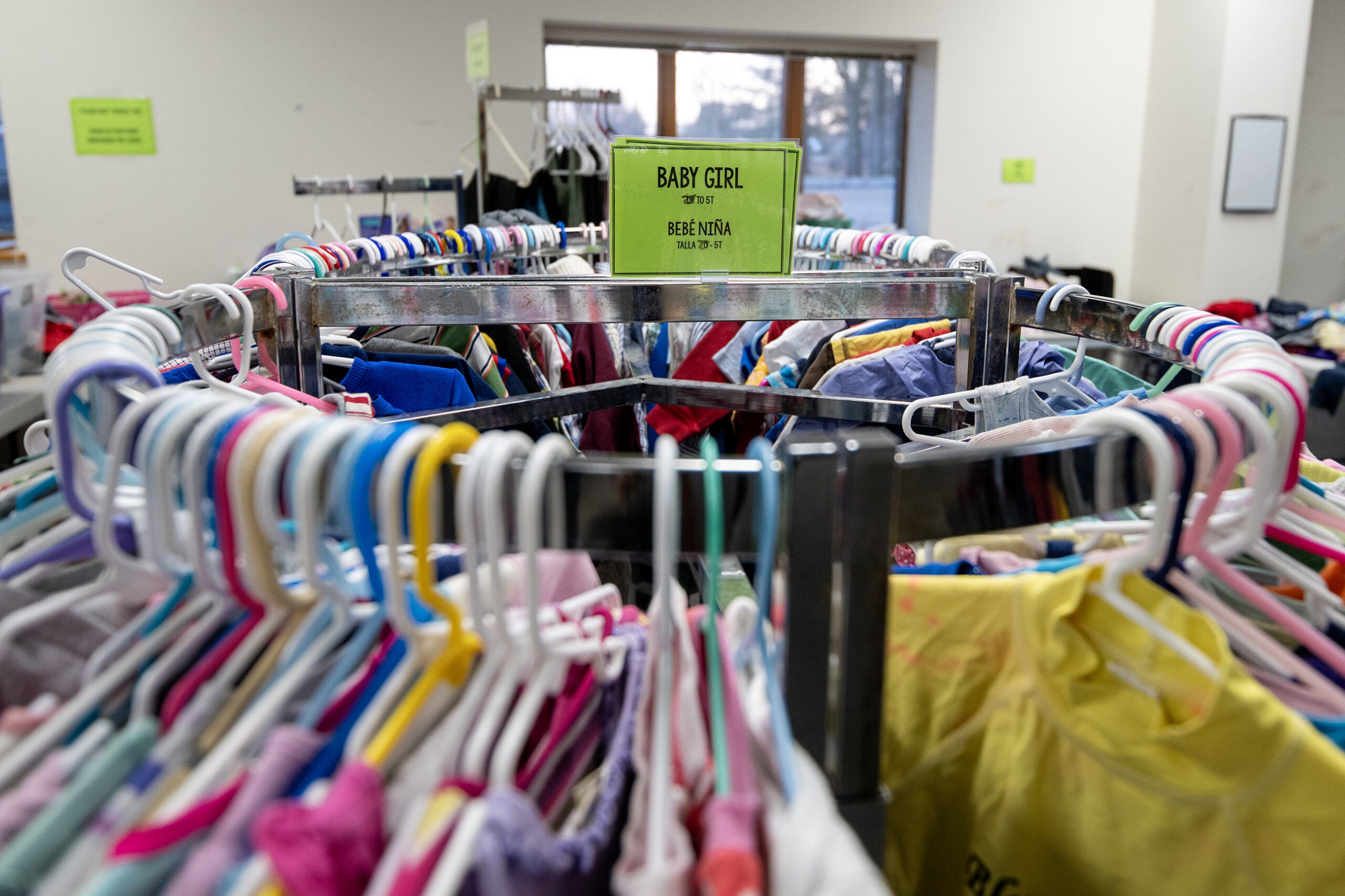
Clothes are hung up for people who need them Wednesday, Jan. 7, 2026, at the Community Space in Whitewater, Wis. Angela Major/WPR
This week marks one year since President Donald Trump was sworn in for his second term. From immigration, to the federal workforce, to the economy, to education, the last year reshaped the country. This week, WPR is taking a look at how the administration’s policies are impacting Wisconsin so far.
‘Everything has radically changed’
Cracking down on immigration has been a hallmark of Trump’s agenda since his first day back in office. As massive enforcement operations moved into cities around the country, immigration detentions hit record highs over the last year.
In the first 10 months of 2025, Immigration and Customs Enforcement arrested nearly 1,000 people in Wisconsin — an almost 25 percent increase from all 2024 arrests, according to data compiled by the Deportation Data Project.
Meanwhile, immigrants in Wisconsin say they are feeling more afraid than ever. It’s been a year of uncertainty, said Juan Sandovar, who was picking out clothes at the Community Space.
“In this last year, everything has radically changed,” said Sandovar in Spanish.
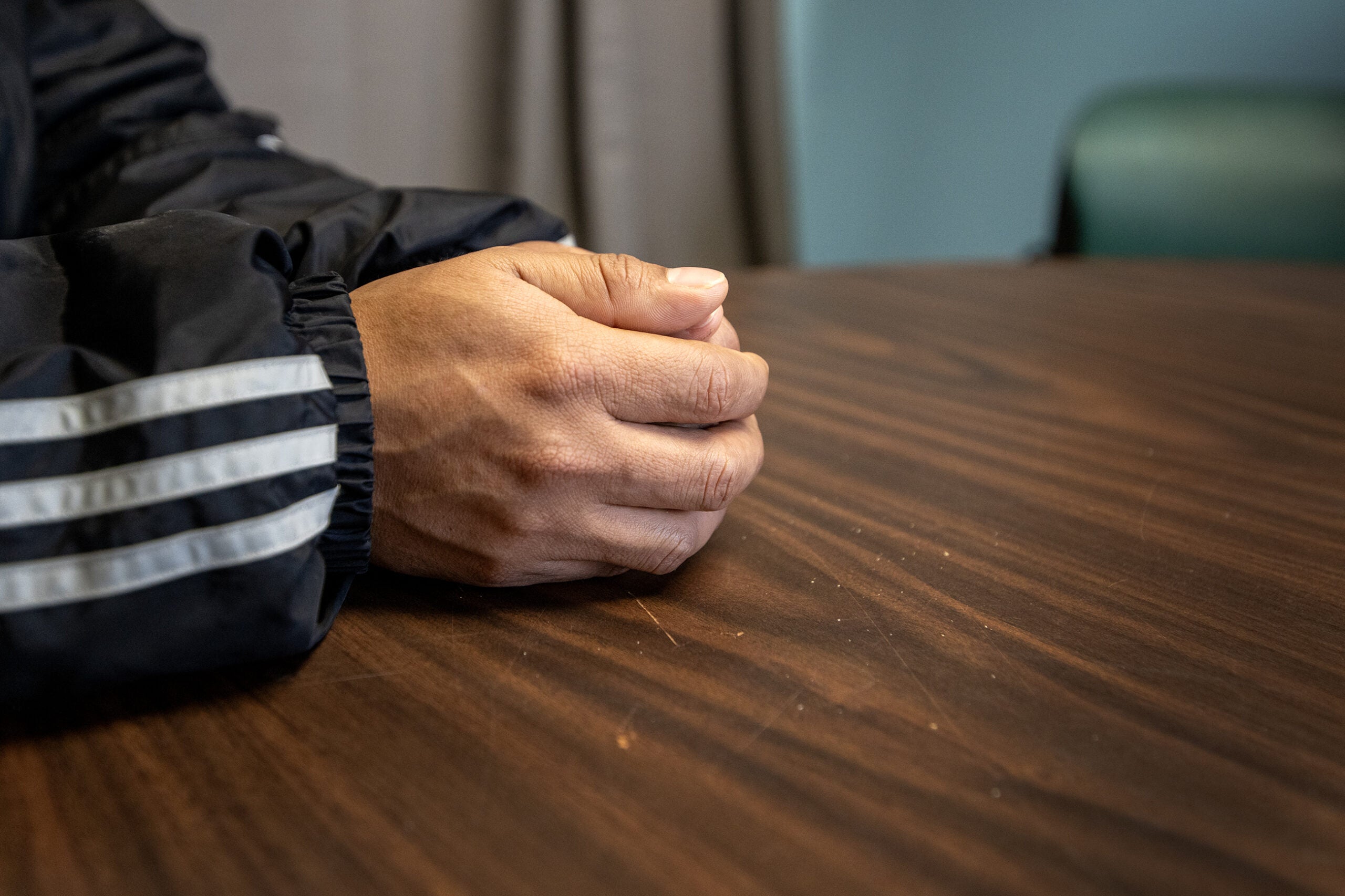
Juan Sandovar’s hands are clasped as he speaks about his experience Wednesday, Jan. 7, 2026, at the Community Space in Whitewater, Wis. Angela Major/WPR
Sandovar, who came to the U.S. from Nicaragua in 2021, works in a cheese factory cleaning machinery. He worries about what would happen to his wife and two children if he didn’t return from work. He said other than work and basic necessities, his family doesn’t leave the house much any more.
“It makes them depressed to be shut in the house so much,” he said. “But they also understand the situation.”The change is noticeable even for immigrants who are well-established in Wisconsin. Esteban Sanchez came to the U.S. from Mexico 22 years ago, and works as a warehouse manager. He came to the Community Space with his girlfriend who arrived from El Salvador last year.
“You can’t get around freely, and we can’t go very far from home,” he said in Spanish, noting he used to travel to Chicago occasionally, but doesn’t feel safe doing that anymore.
He said for now, he’s staying close to home and saving extra money in case something happens.
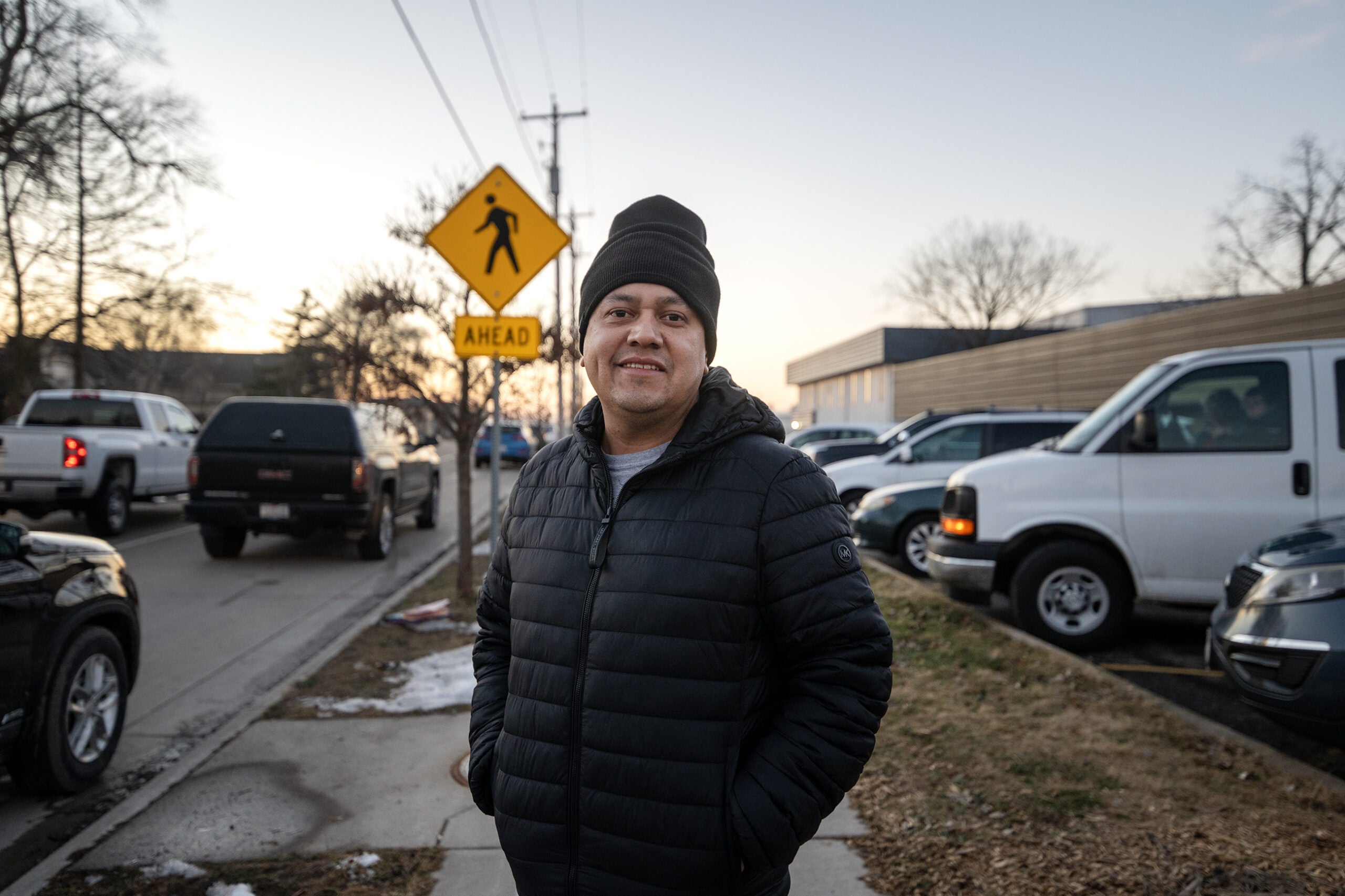
Esteban Sanchez stands outside the Community Space on Wednesday, Jan. 7, 2026, in Whitewater, Wis. Angela Major/WPR
‘We’re just waiting for the worst’
Whitewater was adjusting to an increased population of immigrants even before Trump began his second term.
In late 2023, police chief Dan Meyer sent a letter to President Joe Biden and others pleading for assistance in response to a “rapid increase” in immigrants arriving to the city. The letter attracted attention from some politicians who said it proved the U.S. immigration system was broken, and was even cited in a Trump executive order pausing refugee resettlement.
It was a difficult time for the immigrant community, said advocate Jorge Islas-Martinez, who founded the local Immigrant Support Coalition. Since then, he and other advocates have had regular meetings with the police department and the city.
“The communication that we have is a lot better,” Islas-Martinez said. “We believe that the Whitewater Police Department is here to protect our community, not to divide the community.”
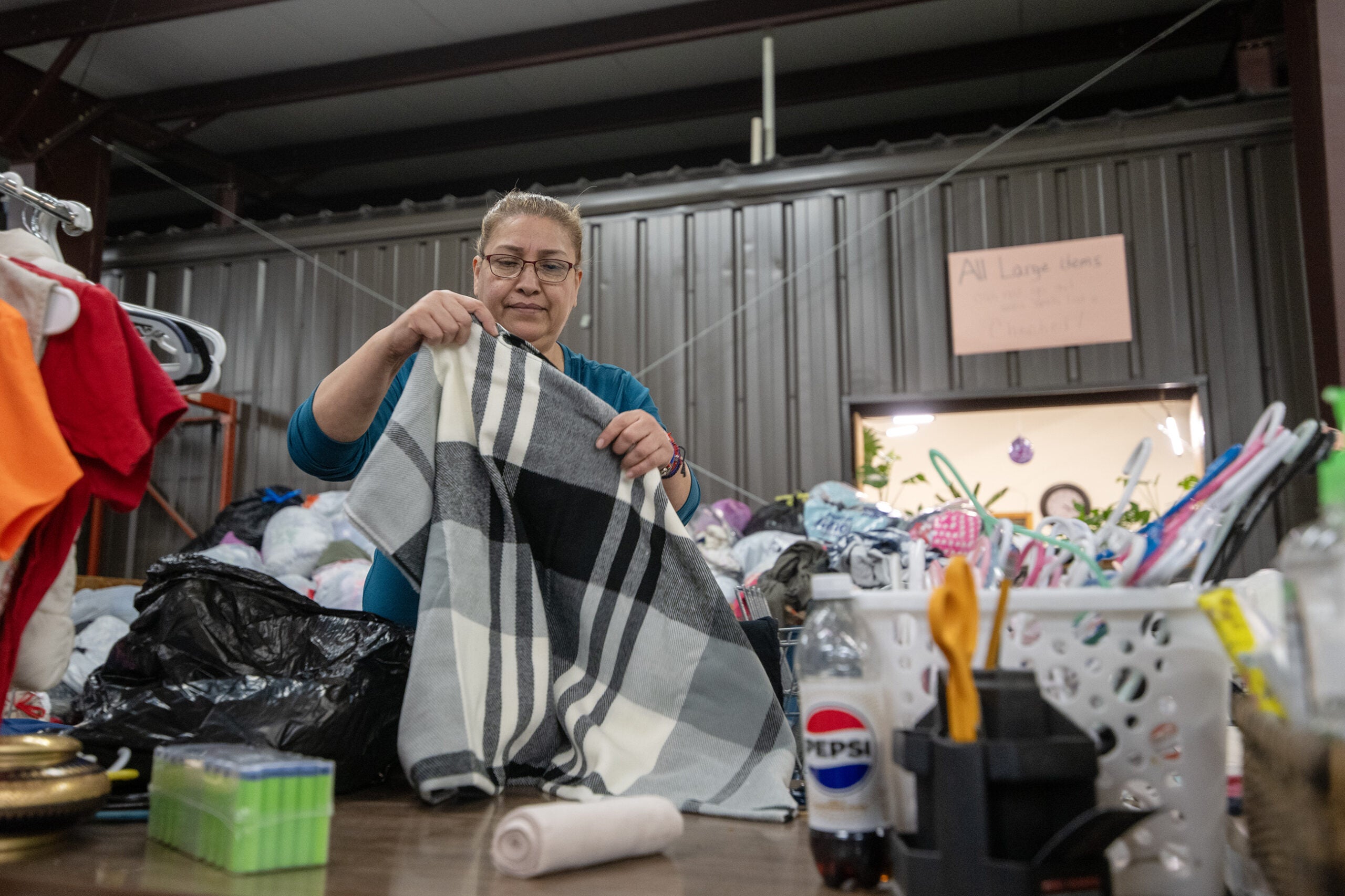
Volunteer Patricia Ortega organizes donations Wednesday, Jan. 7, 2026, at the Community Space in Whitewater, Wis. Angela Major/WPR
But, he said, that progress has now been overshadowed by the fear created by Trump’s immigration crackdown. Islas-Martinez is especially concerned that immigrants are being portrayed as criminals.
“Most of us would like to study, to learn English, to work overtime,” said Islas-Martinez, who came to the U.S. from Mexico more than 30 years ago and is now a citizen.According to data from the Transactional Records Access Clearinghouse, more than 70 percent of people currently held in ICE detention have no criminal conviction.
Islas-Martinez said the coalition does its best to help people manage fear and anxiety by picking up groceries, taking kids to school and bringing people to the Community Space. But he said unfortunately, it feels like they’re moving backwards.
“We go day by day, and this situation is getting worse and worse,” he said. “Unfortunately, we’re just waiting for the worst. We don’t see anything positive under this administration.”
Some Wisconsin officials see a need for enforcement
As immigrants navigate the new reality, advocates across the state including Voces de la Frontera and the ACLU have called for an end to the federal 287(g) program, which allows local law enforcement agencies to partner with ICE in various ways. They argue it creates a “pipeline” from contact with local law enforcement to deportation.
The Kewaunee County Sheriff’s department signed onto two models of the program last year, declining the controversial “Task Force” enforcement model. Sheriff Matt Joski said he believes the program allows the department to maintain their pre-existing relationship with ICE.
“It is nothing more than the enforcement of the law,” he said.
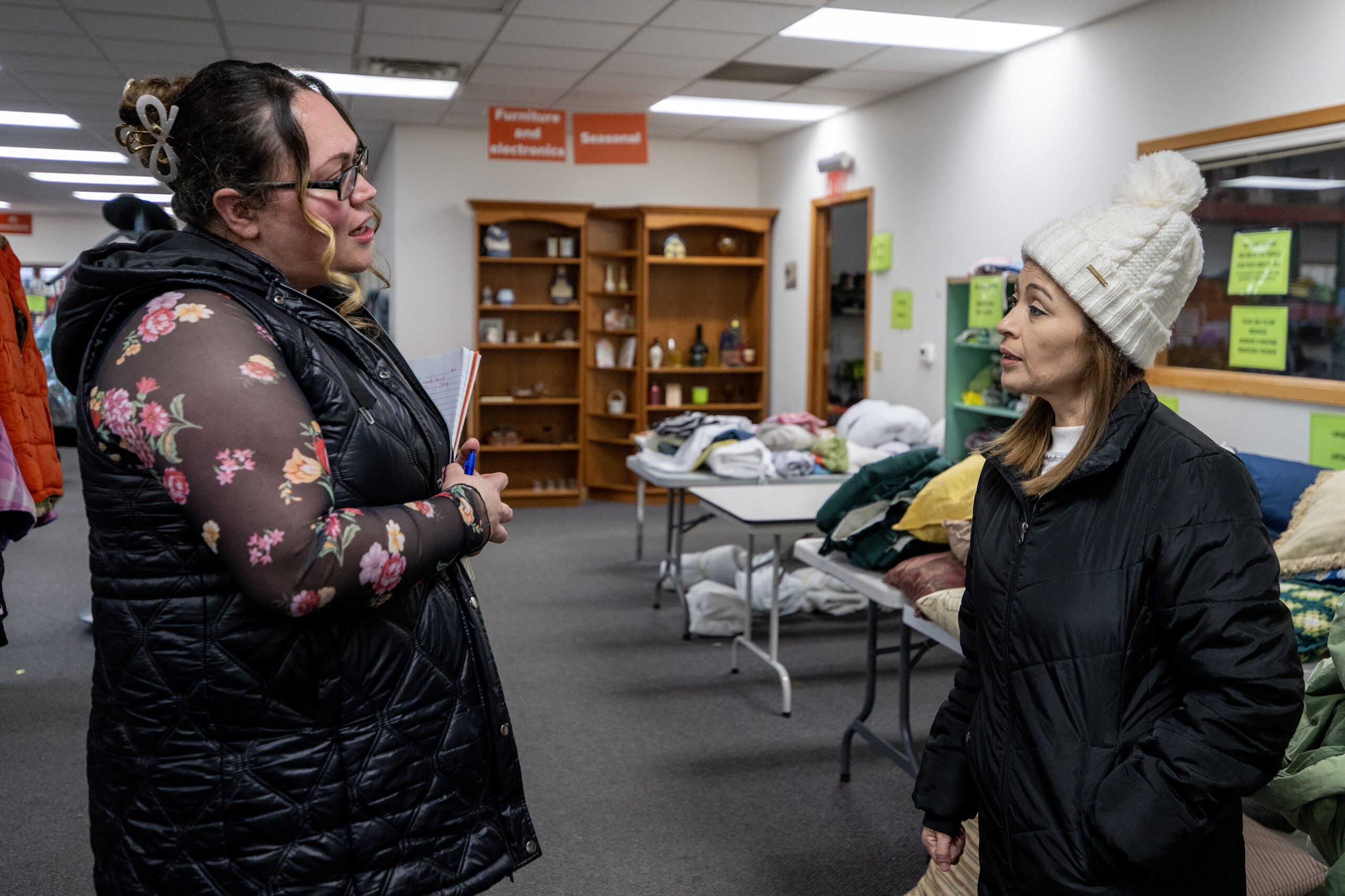
Volunteer Soledad Alvarez, left, speaks to someone browsing items at the Community Space on Wednesday, Jan. 7, 2026, in Whitewater, Wis. Angela Major/WPR
Joski said while the Trump crackdown is a different approach than other administrations have taken, he believes federal immigration authorities are largely targeting criminals.
“It’s unfortunate that emotion has gotten infused into it to such a great degree,” he said.
Still, Joski said laws could be changed to better support law-abiding immigrants living and working in the state.
“I hope that at some point, some legislator somewhere can get together with a group and say, ‘Let’s look at some comprehensive immigration reform where we can treat the families, these people that are working hard trying to make a life here … We’ve got to be able to treat them differently than we would gangs and violent criminals,’” he said.Before Congress tackles immigration reform, there’s likely more to enforcement to come, as ICE and Border Patrol are set to receive an additional $170 billion dollars in funding between now and 2029. That includes funding to build new immigrant detention facilities, and for more state and local agencies to participate in immigration enforcement.
One year into second Trump term, Wisconsin immigrants are ‘waiting for the worst’ was originally published by Wisconsin Public Radio.
If you think stories like this are important, become a member of Urban Milwaukee and help support real, independent journalism. Plus you get some cool added benefits.