

Gray Wolf Protections in Jeopardy as House Passes Delisting Bill
Backed by Wisconsin’s GOP delegation, the measure would shift control to states, with critics warning wolves could be hunted and trapped back toward extinction.
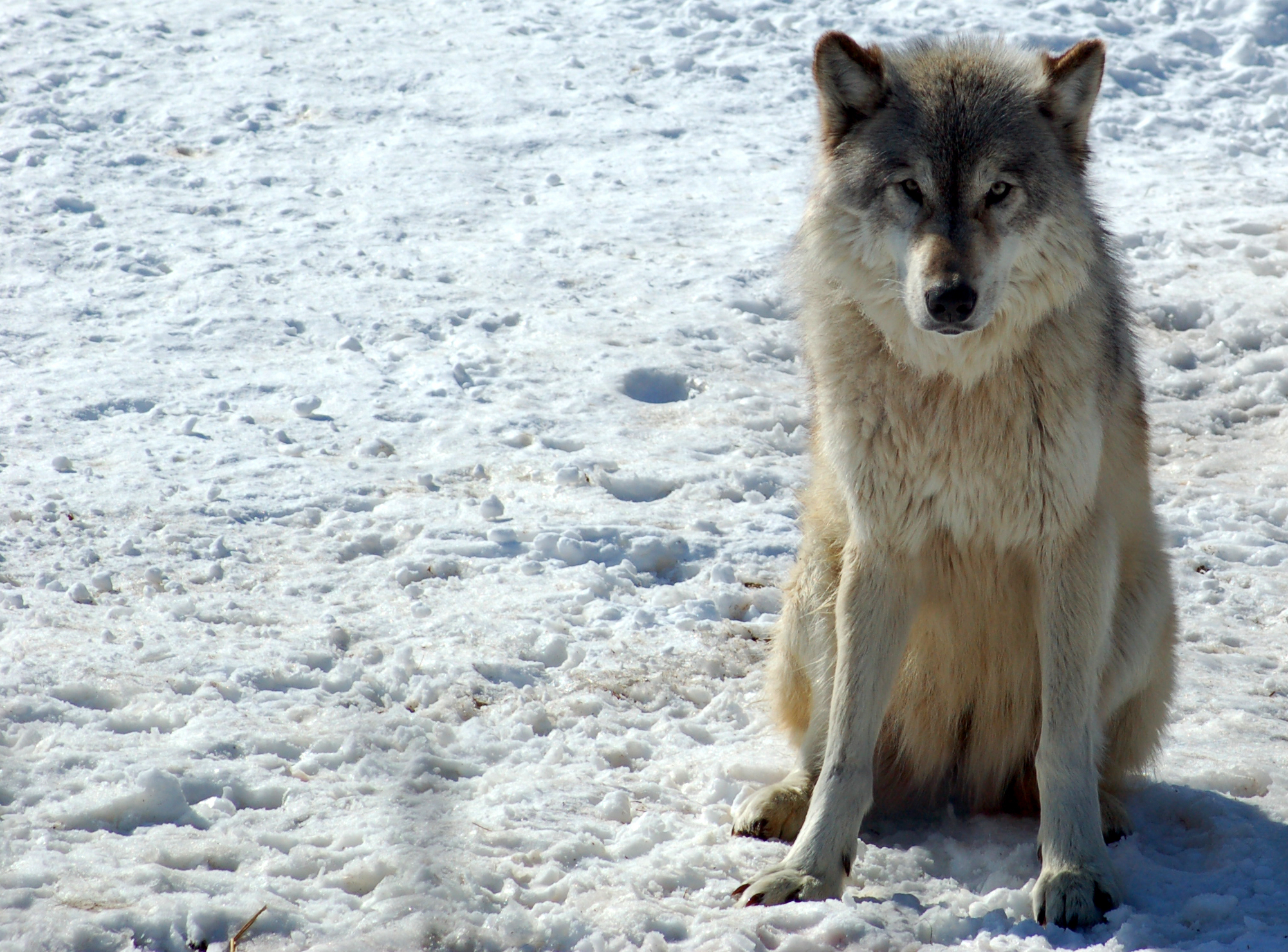
Gray wolf. Photo by Derek Bakken / (CC BY)
The U.S. House of Representatives has passed a bill that would remove federal protections for gray wolves nationwide.
U.S. House Rep. Tom Tiffany, R-Hazelhurst, cosponsored the bill this year with Rep. Lauren Boebert of Colorado and 30 other lawmakers, including Wisconsin’s Republican congressional delegation. The bill passed 211-204, largely along party lines.
The most recent data from the U.S. Fish and Wildlife Service shows the plan would remove Endangered Species Act protection from more than 4,500 wolves in the western Great Lakes region, as well as nearly 2,800 wolves in seven western states.The legislation would also bar courts from reviewing the decision. Animal rights and environmental groups have mounted multiple legal challenges over the years to ensure protections for wolves. On the House floor, Tiffany said the wolf’s status has bounced back and forth between being listed and delisted.
“Wisconsinites know best when it comes to managing Wisconsin’s wolf population, and it’s long past time we empowered Wisconsinites to be able to manage the gray wolf population,” Tiffany said.
Tiffany, a GOP candidate for governor, argued that pets and livestock in rural areas are being “slaughtered” due to lacking wolf management.

U.S. Rep. Tom Tiffany holds an egg carton as he begins his speech Saturday, May 17, 2025, during the Republican Party of Wisconsin State Convention in Rothschild, Wis. Angela Major/WPR
In 2022, a federal judge ruled wolves should be placed back on the endangered species list, saying federal wildlife regulators failed to show wolf populations would remain sustainable without federal protections.
Wisconsin law mandates a wolf hunt when federal protections are removed.
In February 2021, state-licensed hunters killed 218 wolves in less than three days, consuming Ojibwe tribes’ share of the harvest and surpassing a 200-wolf quota. In 2021, Idaho passed a law that could result in the killing of up to 90 percent of the state’s 1,500 wolves.
Democratic U.S. Rep. Donald S. Beyer Jr. of Virginia said wolves continue to face threats to their survival that include poaching and habitat loss.“The protections of the (Endangered Species Act) have allowed gray wolf populations across the country to stabilize and regain strength,” Beyer said. “If delisted nationally, gray wolves will once again be hunted and trapped to the point of extinction.”
The bill is similar to one that passed the U.S. House last year, but it failed to advance in the Democratic-controlled Senate. With Republicans in control of the Senate and the White House, the bill has better odds of passing. But its prospects in the U.S. Senate remain unclear.
Ben Greuel, national wildlife campaign manager for the Sierra Club, said the group is confident that protections will remain for wolves.
“If there’s a small minority that wants to advance it, we feel confident that our champions in the Senate will stand up, and we won’t see any movement on this front,” Greuel said.
In the past, Wisconsin Democratic U.S. Sen. Tammy Baldwin introduced a bill that would expand the threatened status for Minnesota’s wolves to include Wisconsin and Michigan’s Upper Peninsula. A spokesperson for Baldwin said that legislation has not been reintroduced in the current session.
A survey of more than 1,000 Americans conducted by Michigan Technological University this summer found 78 percent of respondents support continued protection for gray wolves. The project was supported in part by the Humane World for Animals, which did not have a role in designing the survey or analyzing results.
Most recent data from the Wisconsin Department of Natural Resources shows the state’s population has grown to nearly 1,200 wolves and appears to be stabilizing.
Randy Johnson, DNR large carnivore specialist, said the agency’s position is that science shows the wolf population in Wisconsin has biologically recovered — a statement disputed by some scientists. Johnson said the agency has updated its wolf plan and harvest regulations, and the state is ready to assume management if and when delisting occurs.
Tiffany’s legislation has received support from the Wisconsin Farm Bureau Federation, Wisconsin Bear Hunters Association and Wisconsin Cattlemen’s Association. They have pointed to attacks on pets and livestock.Wisconsin has seen 76 confirmed or probable wolf depredations so far this year, according to the DNR’s website. The most recent wolf monitoring data shows 40 farms had verified wolf conflicts out of the state’s 58,200 farms.
US House passes bill to remove federal protections for wolves was originally published by Wisconsin Public Radio.
If you think stories like this are important, become a member of Urban Milwaukee and help support real, independent journalism. Plus you get some cool added benefits.






















Doesn’t Wisconsin DNR keep records of “wolf-kills” of domestic animals? What evidence is there of the “slaughter” that RepresentativeTiffany claims?