DHS Announces Groups Eligible for COVID-19 Vaccine on March 1
People 65+, teachers, and child care workers will be prioritized
The Department of Health Services (DHS) today announced that new groups will be eligible for the COVID-19 vaccine starting March 1. The newly eligible groups, initially announced in January, include in priority order: education and child care staff, people enrolled in Medicaid long-term care programs, some public-facing essential workers, non-frontline essential health care personnel, and facility staff and residents in congregate living settings. While these groups are eligible on March 1, educators and child care providers should anticipate receiving vaccine in March and early April, and the remaining groups can plan to be vaccinated in April and May.
In recent weeks, the state’s allocation of vaccine from the federal government has increased and is expected to further increase on March 1. This increase will initially be targeted to educators and child care providers. Additionally, Wisconsin has vaccinated nearly 50% of residents 65 and older. Wisconsin continues to be one of the top states in the country for vaccine administration and opening up further eligibility will allow vaccinators to keep up the pace.
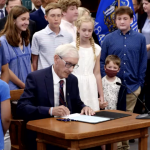
“Part of bouncing back from this pandemic means protecting all the educators and essential workers, many of whom have been putting their health at risk throughout this pandemic,” said Gov. Tony Evers. “With more than 1,281,903 doses of the vaccine already administered, we are working quickly to get more shots in arms as we have supply available. While our supply is still not enough for us to vaccinate at the rate we all want, we’re going to keep working around the clock to get folks vaccinated as quickly as we can.”Due to the limited supply of vaccine doses, people 65 and older, educators, and child care workers will be prioritized for the vaccine. Based on the current allocation numbers, it will take about two months to vaccinate these groups. Local and tribal health departments are coordinating local-specific plans to vaccinate K-12 education and child care staff. To vaccinate these priority groups, DHS will focus allocations each week on 65+ and educators to ensure both groups are getting vaccinated before moving on to other newly eligible populations.
“Everyone included in these newly eligible groups will eventually have the opportunity to get vaccinated, but we are asking everyone to practice patience and wait to schedule an appointment in order to allow those at higher risk to get vaccinated first,” said DHS Interim Secretary Karen Timberlake. “Workers who are more likely to come in contact with the public or who are unable to avoid close contact with others are at higher risk of contracting and spreading COVID-19.”
Groups eligible March 1 were recommended for the vaccine based on relative vulnerability and risk of exposure to COVID-19. This will add more than 700,000 people to the number able to get vaccinated. In recent weeks, Wisconsin’s allocation has increased to approximately 90,000 doses weekly. Beginning February 23, Walgreens(link is external) began receiving 36,000 first doses each week for the Federal Retail Pharmacy Program, which is up from the 18,000 allocation in previous weeks. There are multiple options for vaccinations, including community clinics, local and tribal health departments, health care providers, and pharmacies. Those eligible for vaccine should visit our eligibility page to learn more about their options.
For information, resources, and data related to Wisconsin’s COVID-19 vaccination program, visit the COVID-19 vaccine page.
NOTE: This press release was submitted to Urban Milwaukee and was not written by an Urban Milwaukee writer. While it is believed to be reliable, Urban Milwaukee does not guarantee its accuracy or completeness.
More about the Coronavirus Pandemic
- Data Wonk: Learning Our Lesson From COVID-19 - Bruce Thompson - Aug 19th, 2026
- Governors Tony Evers, JB Pritzker, Tim Walz, and Gretchen Whitmer Issue a Joint Statement Concerning Reports that Donald Trump Gave Russian Dictator Putin American COVID-19 Supplies - Gov. Tony Evers - Oct 11th, 2024
- MHD Release: Milwaukee Health Department Launches COVID-19 Wastewater Testing Dashboard - City of Milwaukee Health Department - Jan 23rd, 2024
- Milwaukee County Announces New Policies Related to COVID-19 Pandemic - David Crowley - May 9th, 2023
- DHS Details End of Emergency COVID-19 Response - Wisconsin Department of Health Services - Apr 26th, 2023
- Milwaukee Health Department Announces Upcoming Changes to COVID-19 Services - City of Milwaukee Health Department - Mar 17th, 2023
- Fitzgerald Applauds Passage of COVID-19 Origin Act - U.S. Rep. Scott Fitzgerald - Mar 10th, 2023
- DHS Expands Free COVID-19 Testing Program - Wisconsin Department of Health Services - Feb 10th, 2023
- MKE County: COVID-19 Hospitalizations Rising - Graham Kilmer - Jan 16th, 2023
- Not Enough Getting Bivalent Booster Shots, State Health Officials Warn - Gaby Vinick - Dec 26th, 2022
Read more about Coronavirus Pandemic here
Mentioned in This Press Release


Recent Press Releases by Wisconsin Department of Health Services

With Measles in Wisconsin, DHS Stresses Importance of Vaccinating School Children
Sep 3rd, 2026 by Wisconsin Department of Health ServicesEncourages families to check vaccination records, get up to date on vaccines to protect kids and keep them healthy and in school
DHS Celebrates Breastfeeding Awareness Month With Partnership, National Recognition
Aug 31st, 2026 by Wisconsin Department of Health ServicesPartnership expands resources for military families, builds on WIC program's successful breastfeeding initiatives