Help Fight Food Insecurity in Wisconsin: Participate in the DNR’s Deer Donation Program
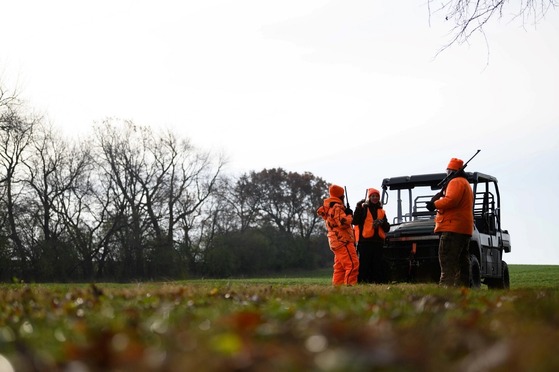
The Deer Donation Program helps Wisconsinites in need. / Photo Credit: Wisconsin DNR
MADISON, Wis. – The Wisconsin Department of Natural Resources encourages hunters to donate Wisconsin-harvested deer through the DNR’s Deer Donation Program. The program supports Wisconsin residents in need by helping stock food pantry shelves with ground venison made from donated deer.
Since the program began in the year 2000, hunters have donated more than 100,000 deer, totaling over 4 million pounds of ground venison. Wisconsin has a network of venison donation partners, including county land and water conservation departments, food pantries, charitable organizations, USDA-Wildlife Services and participating meat processors, who all help implement and administer the program.
“This program offers communities a great opportunity to both help manage local deer populations and provide families in need with quality lean meat,” said Marcus Rufledt, deer donation program manager. According to data from the Wisconsin Department of Health Services, almost 900,000 Wisconsin residents (about 15% of the state’s population) received food assistance at least once in 2025. “Community pantries all over Wisconsin have seen a rise in demand for food assistance, especially for nutritious options like venison provided through the Deer Donation Program. This program succeeds because a lot of everyday people do a little bit extra; we are confident hunters and volunteers will continue to meet the moment.”
Deer harvested outside Wisconsin cannot be donated. The Wisconsin Department of Health Services requires deer harvested in certain counties to be tested for chronic wasting disease (CWD) before or at the time of donation. Hunters interested in donating a Wisconsin-harvested deer to the DNR’s Deer Donation Program should follow these steps:
- Field dress the deer. Please handle the carcass as if it were destined for your own plate. A couple of bags of ice placed in the cavity will help preserve the carcass in warm weather.
- Register the deer through GameReg. Please note the registration confirmation number and keep it on hand when dropping off the deer. If your deer was harvested from a county that requires CWD testing, please ensure you complete the required CWD testing before or at the time of donation. An up-to-date list and map of counties where testing is required can be found on the Deer Donation Program webpage.
- Call ahead. Contact a participating processor before dropping off the deer to make sure they have space to accept it. More processors may be added later in the season, so check back if you don’t see one currently in your area.
- Bring the deer to the processor. If donating a deer being tested for CWD, inform the processor and provide the CWD barcode number. The processor will not distribute the deer until the results are known.
Note: If you don’t have your Go Wild customer number, game registration numbers or CWD testing information, please log into your Go Wild account or contact DNR Customer Service staff to retrieve that information.
Hunters and non-hunters may also support the Deer Donation Program through a monetary donation in person at any Wisconsin hunting license sales location or online through their Go Wild account.
Visit Wisconsin’s Deer Donation Program webpage to learn more about the program.
Hunters participating in the Deer Donation program are encouraged to reduce the chance of introducing lead fragments to donated venison by using lead-free ammunition or taking simple steps to reduce risks when utilizing lead bullets. Lead is toxic to humans, even in very low amounts.
Wisconsin income taxes are not used to directly fund any wildlife projects or to facilitate the hunting/trapping seasons. Instead, 95% of the funding for the Wildlife Management Program comes from two sources: revenue from the sale of hunting, fishing and trapping licenses and a federal tax on firearm and ammunition purchases.
The Wildlife Management Program directly supports key wildlife projects, including population surveys, habitat restoration, wildlife disease monitoring, and the maintenance for 650,000 acres of public land managed for hunting, trapping and other outdoor recreation.
Wisconsin has seen the number of purchased licenses drop over the last 20 years, which directly limits available funding for current and future wildlife projects and limits the department’s ability to absorb rising costs from inflation.
NOTE: This press release was submitted to Urban Milwaukee and was not written by an Urban Milwaukee writer. While it is believed to be reliable, Urban Milwaukee does not guarantee its accuracy or completeness.
Mentioned in This Press Release


Recent Press Releases by Wisconsin Department of Natural Resources
Grants From Cherish Wisconsin Outdoors Fund Will Improve Wildlife Habitat in Dane, Green, Oneida, Ozaukee, Vilas, Washington and Walworth Counties
Nov 9th, 2026 by Wisconsin Department of Natural ResourcesHunters And Other Nature Lovers Can Donate When Renewing Their Licenses