
Wisconsin Farm And Forestry Exports Hit Record Despite Tariff Turmoil
First-half 2026 sales top $2 billion as losses in China and Canada are offset elsewhere.
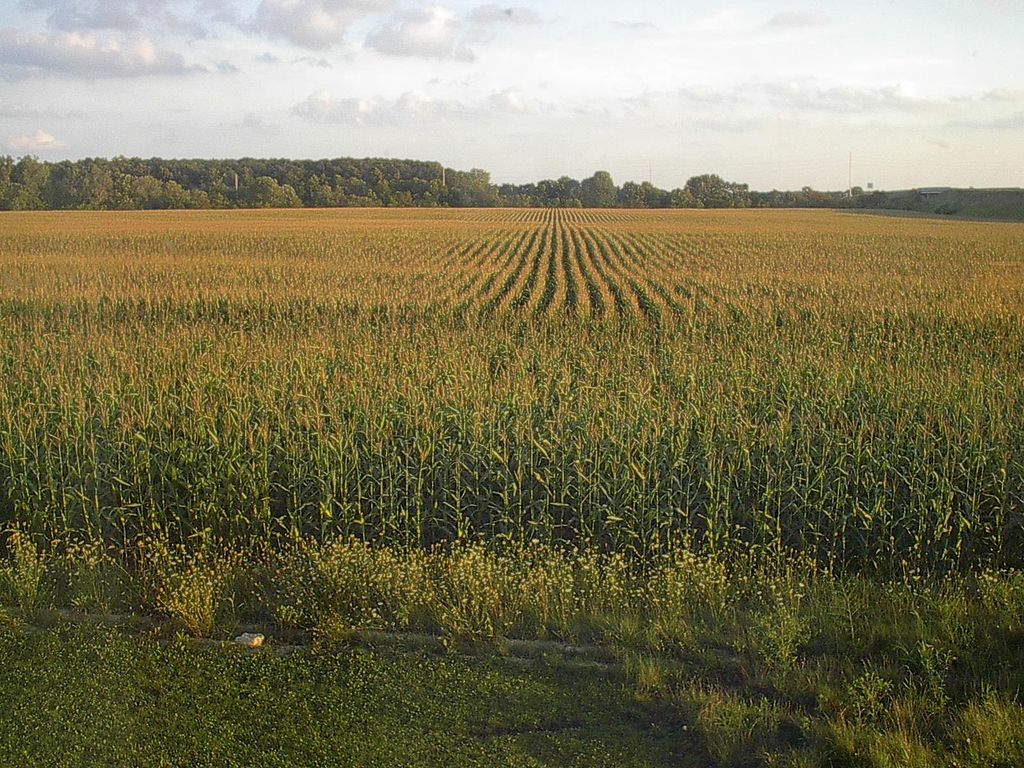
Photo by TwoScarsUp, CC0, via Wikimedia Commons
Food and forestry exports from Wisconsin were on the rise for the first half of the year, despite significant challenges caused by changing tariff policies.
Agricultural exports were at the highest level on record for the first half of 2026, totaling more than $2 billion and representing a 5 percent increase from 2025 levels. That’s according to a report from the state Department of Agriculture, Trade and Consumer Protection’s International Agribusiness Center.
But the report also highlighted the steep decline in exports to some of the top export markets for Wisconsin and the U.S. that have exchanged retaliatory tariffs with President Donald Trump’s actions.
Sales to China were down $41 million, or 45 percent, from a year ago. Ira Frydman, Export and Business Development Director of DATCP’s Department of Ag Development, said China was the top buyer of dairy cow genetics and a major market for soybeans.
He’s hopeful the decline in sales isn’t permanent, but he said there isn’t much Wisconsin farmers or the state can do about the tariffs.
“Finding other markets for these products, weathering the storm, is all we really can do as a state, and find wins where we can,” Frydman said.
Jeff Hadachek, assistant professor of agricultural and applied economics at the University of Wisconsin-Madison, said China is in some ways “irreplaceable” when it comes to exports because of the size of the market. He said farmers across the country have felt the impact of lost sales.
“This is one of the reasons, not the only reason, that the last several years we have had negative margins as it relates to many of our traditional corn and soybean growers,” he said. “It’s also a reason that our administration now has had to pay upwards of $55 billion to farmers in terms of ad hoc relief payments.”
But Hadachek pointed out that Wisconsin exports to China have been declining for several years now. The U.S. and China traded retaliatory tariffs during Trump’s first term, which led China to shift their buying to other countries like Brazil.
Sales to Canada were also down in the first half of the year, though not as steeply. Canada is by far the largest buyer of Wisconsin products, making up a third of all ag exports from the state in 2025. DATCP’s report shows sales were down nearly $16 million in the first half of the year.
But Frydman said sales have likely fallen even further after Trump announced new tariffs on Canadian goods in September following the collapse of trade talks, prompting Canada to place their own added taxes on U.S. dairy products and other goods.
“I think a lot of these things are going to start kicking in,” he said. “I think there was a lot of front-load buying. You were seeing a lot of that, which led to the kind of continued growth in those markets.”
But the report did highlight some growth in sales to Canada, including a 71 percent increase in ethanol exports.
Exports to Mexico were up during the first half of the year, especially grain crops. DATCP reported a 135 percent increase in corn sales and a 125 percent increase in soybean exports compared to the same time last year.
Dairy remains the top export product for Wisconsin, making up more than 12 percent of all sales. Frydman said countries that have a growing middle-income population are helping drive new demand for dairy products from the state.
While uncertainty over the future of tariffs and trade relationships represents strong headwinds for growing exports, Hadachek said the data from the first half of the year highlights why trade talks around the world are critical to farms here in Wisconsin.
“These numbers highlight just how important trade is to agriculture, and it also highlights you know who our primary trading partners are in Canada and Mexico,” he said.
Wisconsin’s food, forestry exports hit record high for first half of 2026 despite tariffs was originally published by Wisconsin Public Radio.
If you think stories like this are important, become a member of Urban Milwaukee and help support real, independent journalism. Plus you get some cool added benefits.