Grants Help Schools Meet New Financial Literacy Graduation Rule
Nearly $300,000 will support districts as Wisconsin requires a personal finance class to graduate.
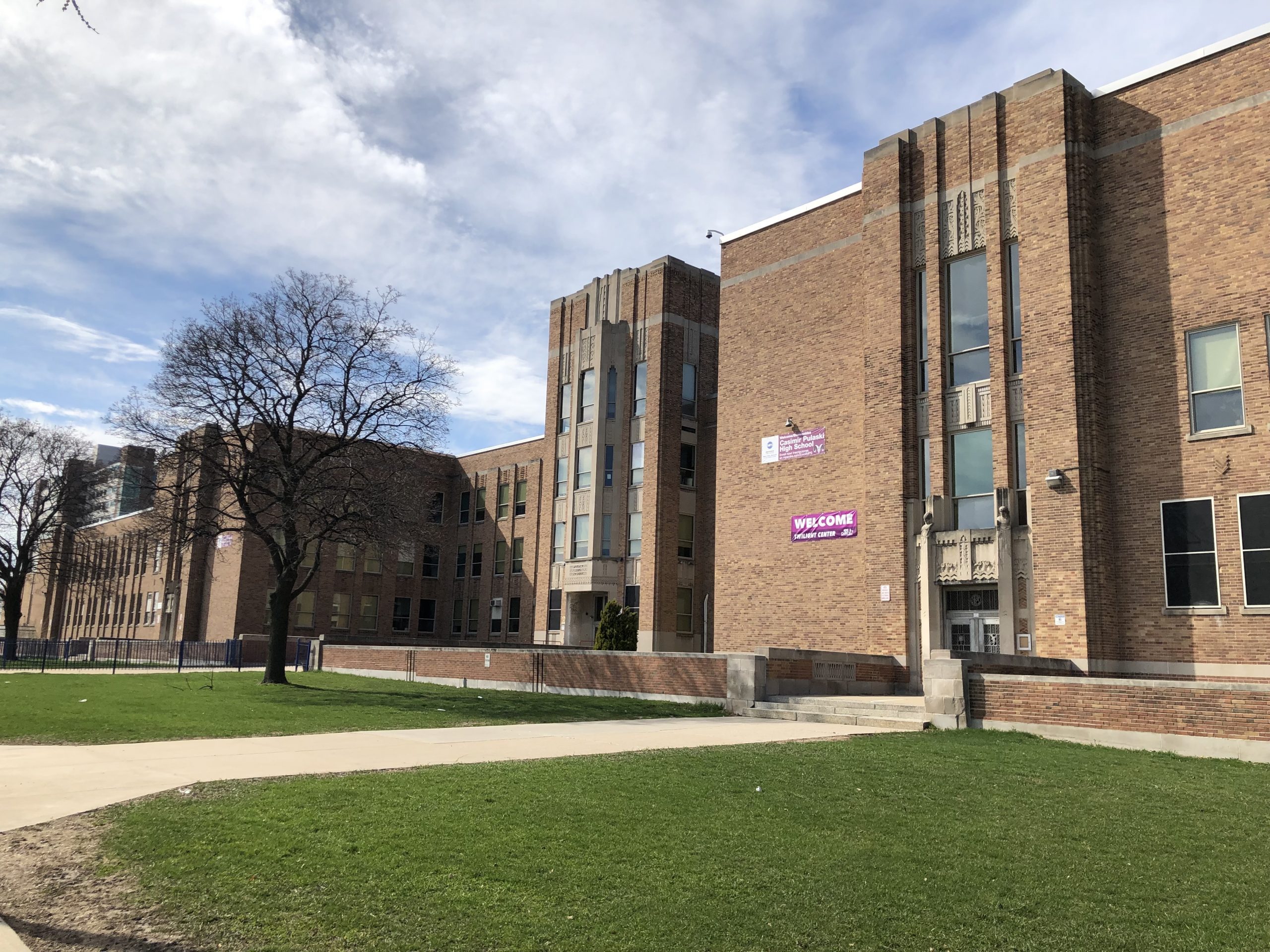
Casimir Pulaski High School at 2500 W. Oklahoma Ave. File photo by Jeramey Jannene.
Starting next year, every Wisconsin student will have to take a financial literacy class before they can graduate from high school.
A $296,000 grant to school districts will help make that requirement more financially feasible.
The Wisconsin Department of Public Instruction and the Wisconsin Department of Financial Institutions announced Thursday more than two dozen school districts and other community-based organizations would receive grant money.
Funding for the grant program is provided by DFI through settlement dollars for financial literacy education.
“Financial education is a life skill that everyone needs to learn,” said David Mancl, who heads DFI’s Office of Financial Literacy. “It’s important, especially now that Wisconsin guarantees all students in high school will get personal finance education.”
The funds will help the districts comply with a 2023 law requiring students in the class of 2028 and beyond to take a half-credit personal financial literacy course in order to graduate.
Students are required to take a course that includes lessons on different skills including money management, saving and investing and credit and debt.
“Financial literacy is about much more than understanding money,” State Superintendent Jill Underly said in a statement. “It helps students develop practical skills to make informed decisions and plan for their futures.”
According to Debt.org, a national debt help organization, the average credit card debt in Wisconsin is $4,376.
A Federal Reserve Bank of New York study found high school students who received financial education were more likely to pay down credit card debt after receiving stimulus checks during the pandemic, refinancing mortgages when rates dropped or purchasing their first homes.
When the 2023 law was being discussed in the state Legislature, Wisconsin Rural Schools Alliance and Wisconsin Association of School Boards opposed the mandate, saying financial literacy courses have value, but would cost school districts money at a time they are already struggling financially.
School districts receiving funding to help offset the cost of the new requirement include: Appleton, Baraboo, Beaver Dam, Racine, Kenosha, Milwaukee and Palmyra-Eagle.
School districts were chosen by DPI based on a competitive application process, Mancl said.
The grant program announced Thursday is designed to support individual teachers and school districts to begin innovative and sustainable financial literacy programs and events, with a specific emphasis on meeting the graduation requirement.
“Through this collaborative effort, we are helping educators introduce new and creative financial literacy programs across Wisconsin,” DFI Secretary Wendy Baumann said in a statement. “These grants will help thousands of students expand their financial knowledge and become better prepared to make sound financial decisions as adults.”
State grants will help some school districts pay for student financial literacy requirement was originally published by Wisconsin Public Radio.
If you think stories like this are important, become a member of Urban Milwaukee and help support real, independent journalism. Plus you get some cool added benefits.