For Wisconsin Families, Affordability Trumps All In Governor’s Race
With tariffs, war and high energy costs in the background, candidates spar over state-level relief plans.
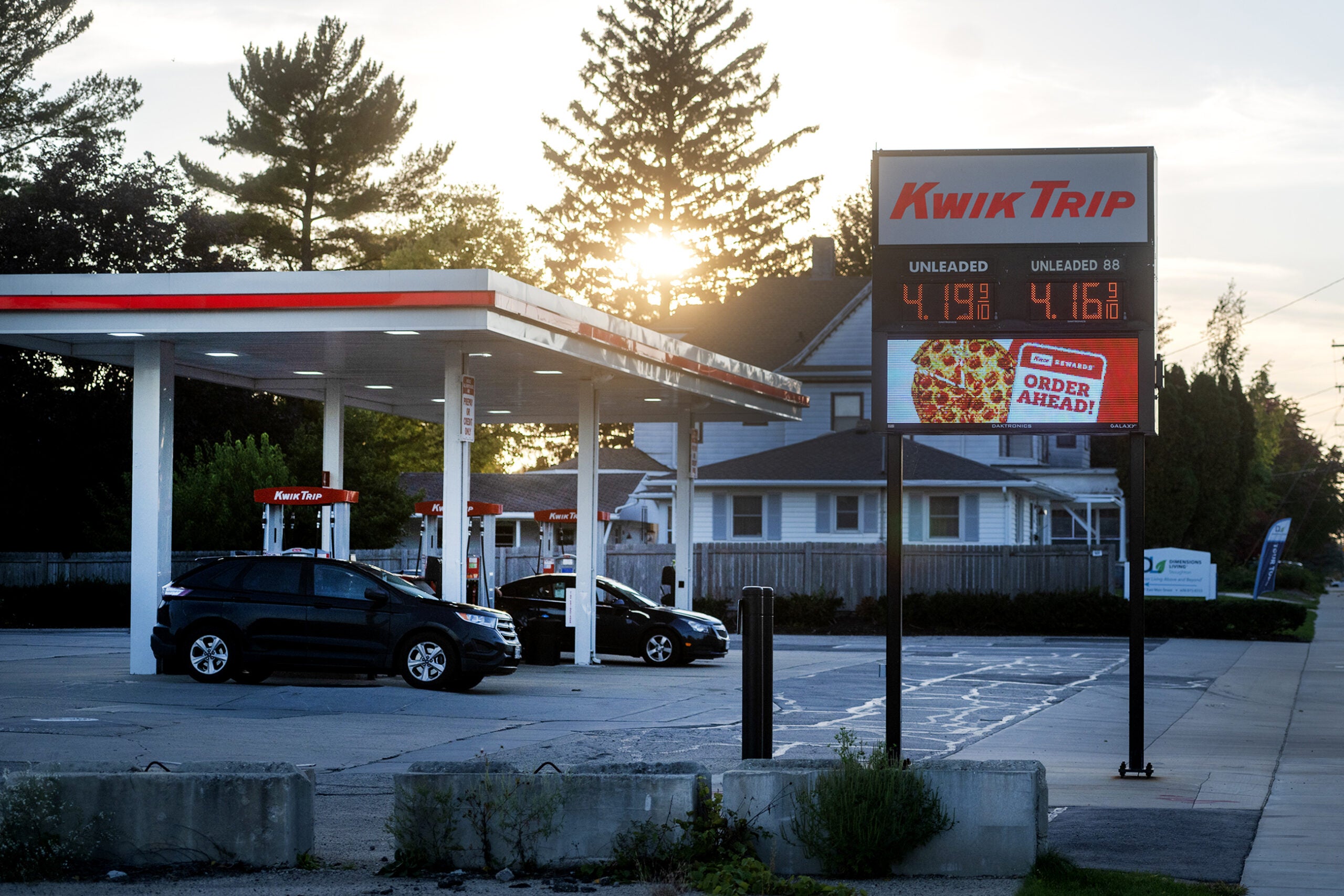
Customers pump gas Tuesday, Oct. 6, 2026, at a Kwik Trip in Stoughton, Wis. Angela Major/WPR
Rebecca Evans is trying to raise three children with her husband. She was working two jobs but had to quit to take care of one of her children.
While her husband makes good money, the Oshkosh resident said their household costs just keep rising.
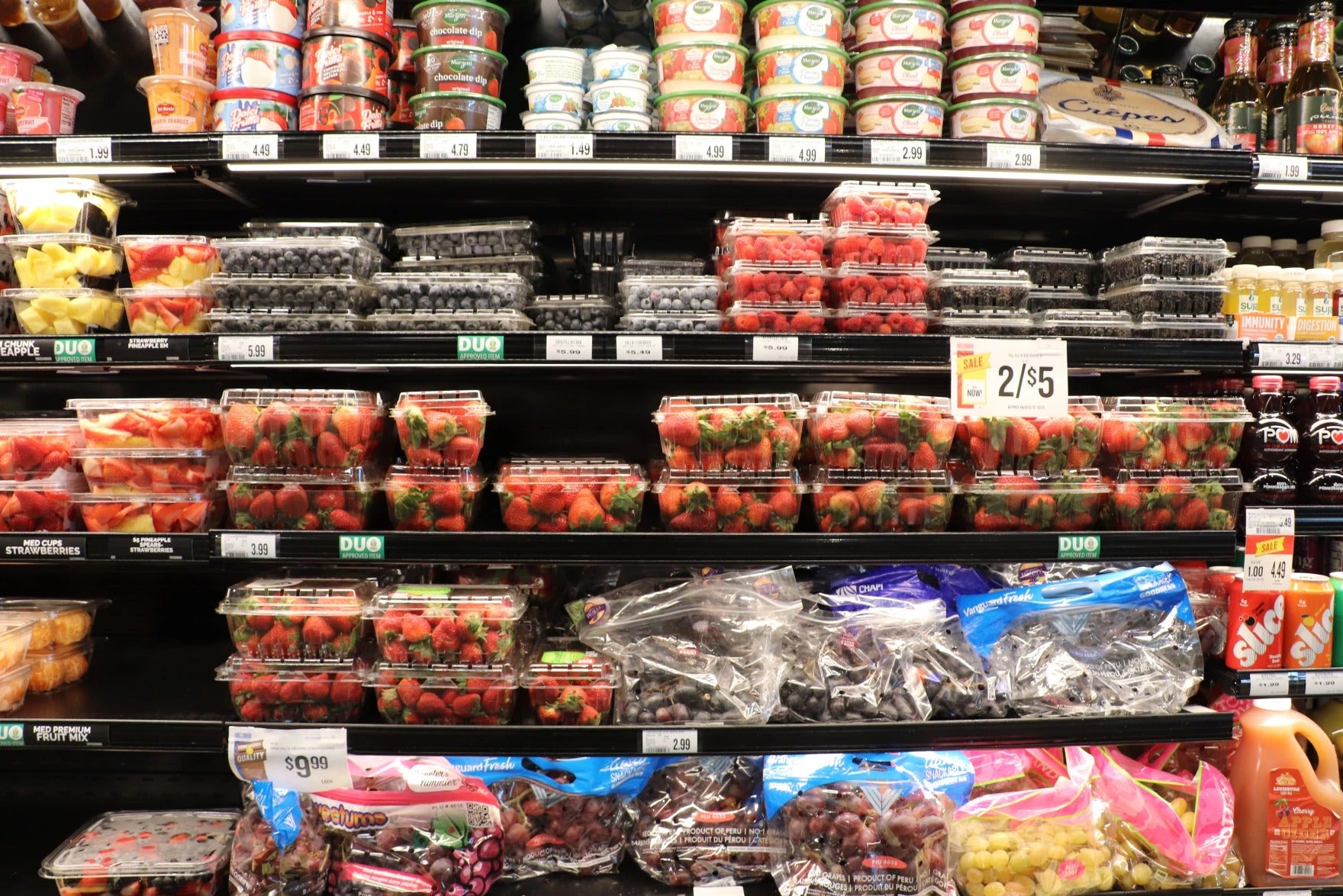
“With grocery prices and gas prices, we’ve had to go on government assistance, and that’s not something that I want to be doing,” Evans told WPR, speaking outside of a Pick ‘n Save grocery store in Oshkosh. “But I have no choice. It’s definitely a hard time financially right now.”
She isn’t the only one feeling pinched.
The latest Marquette Law School poll released Sept. 30 found that 45 percent of Wisconsin voters cited inflation and the cost of living as their most important issue this election cycle. No other issue even came close.
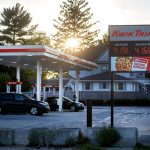
That’s as average gas prices in Wisconsin sit above $4 per gallon and the inflation rate nationally has remained above 3 percent since March.
Both candidates running for Wisconsin governor agree that affordability is the state’s biggest challenge, but they’re offering starkly different ideas on how to address it.
Republican U.S. Rep. Tom Tiffany’s plan addresses affordability primarily through tax cuts and deregulation, while Democratic Milwaukee County Executive David Crowley’s plan focuses on creating or expanding state programs to address rising household costs.
Tiffany, a longtime ally of President Donald Trump, is running in a midterm election that could become a referendum on the administration’s handling of the economy.
In 2024, Trump campaigned in Wisconsin on lowering prices. Two years later, the September Marquette poll showed 65 percent of registered voters said they think Trump’s policies will increase inflation.
Evans said she voted for Trump two years ago hoping he would fight for the working class.
“I’m not seeing any change whatsoever,” she said. “He seems to be doing a lot there, but it’s not affecting me at all, and I’m very disheartened. I’m not happy at all with the way he’s doing things.”
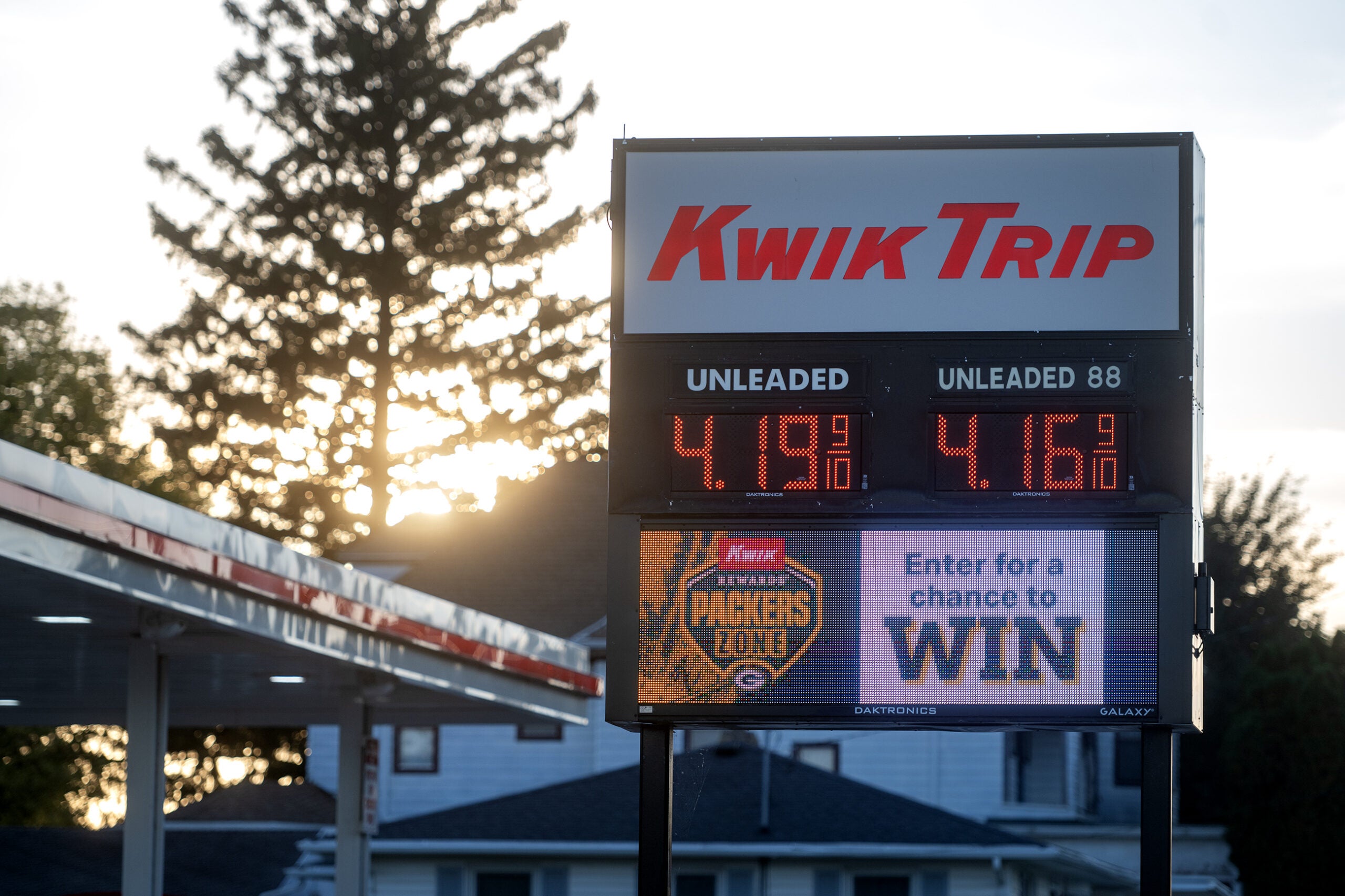
Gas prices are posted Tuesday, Oct. 6, 2026, at a Kwik Trip in Stoughton, Wis. Angela Major/WPR
Fuel prices, tariff costs leave voters feeling pinched
In the Midwest, inflation over the last year has been around 3.6 percent, driven in large part by rising prices of oil and gas related to the war in Iran, said David Fuller, an economics professor at the University of Wisconsin-Oshkosh.
Fuller said gas prices can be especially difficult for consumers because daily commutes remain the same even when fuel costs rise.
Evans, the mother from Oshkosh, said gas prices have been a major source of financial hardship in her household over the last year.
“My husband works like 50 minutes away, so gas to and from is a huge chunk out of his paycheck,” she said. “He’s considering changing jobs just because the gas is taking away a good part of his income.”
Another Oshkosh resident, Alexzandria Wiegand, planned a cross-country road trip months ago in response to a spike in airline prices during the beginning of the Iran War.
“We weren’t planning for gas prices to be this high,” she said. “We’re still in a position where we’re going to go with it, but it’s not ideal.”
High oil prices also filter through the rest of the economy by raising the cost of shipping goods throughout the country and the globe. That means high gas prices are reflected in higher prices on other goods.
On top of rising gas prices related to the war in Iran, consumers have also had to navigate an international trade war and a flurry of tariffs imposed by Trump since returning to office.
The nonprofit Tax Foundation estimates tariffs imposed in 2025 amounted to a $1,000 tax increase per U.S. household on average. This year, they estimate the average tax increase to households from tariffs will be $820.
And while Wisconsinites have been facing high inflation since the COVID-19 pandemic, wages have struggled to keep up with rising prices over the last year, Fuller said.
“Real wages, which are wages adjusted for inflation, are down slightly over the past year — and a little bit more in Wisconsin than nationally,” he said. “That’s why consumers are rightfully noticing that the cost of living has increased faster than their wages have gone up.”
Median wages in Wisconsin have generally kept pace with overall inflation over the last 25 years, but the costs of many household essentials, like housing and healthcare, have outpaced both inflation and wages over that period. That’s according to a report from Forward Analytics, the research arm of the Wisconsin Counties Association.
Jeremy Albrecht, a nurse from Oshkosh, said he and his wife both work middle class jobs and it doesn’t feel like their incomes are keeping up with the cost of living.
“It is harder for families to get by these days,” he said. “I can’t even imagine someone making less than what my wife and I do, like how they can get through this.”
Anna Pope/Harvest Public Media
Candidates for governor offer competing visions to address affordability
The two major-party candidates for governor have offered competing visions for trying to provide relief to residents.
Crowley and Tiffany have said they want to increase housing supply, address rising utility bills and repeal Wisconsin’s minimum markup law to lower gas prices. But they differ on the role state government should play.
Crowley’s plan focuses on lowering costs of essentials, including childcare, healthcare and housing, through increased state spending. Meanwhile, Tiffany’s proposal focuses on delivering savings to residents by cutting income and property taxes, eliminating taxes on tips and cutting regulations.
Crowley’s proposal calls for increasing funding to existing childcare providers to give families access to subsidized childcare slots, as well as expanding BadgerCare and increasing funding for housing programs addressing supply and demand.
Crowley didn’t specify how the plan would be funded, but suggested the state could use its roughly $3 billion budget surplus, as well as taxes on “billionaires” and “billionaire companies.”
“This is about how we’re going to uplift communities,” he told WPR. “We have to tackle the affordability crisis, whether we’re talking at the gas pump, groceries, housing, childcare, healthcare, you name it.”
Meanwhile, Tiffany’s plan calls for cutting regulations that he says make it more expensive for companies to do business and result in higher prices for consumers, from housing to childcare.
On taxes, his plan includes a 10 percent tax cut for families earning less than $150,000 per year. It also calls for freezing property taxes after repealing a partial veto from Gov. Tony Evers that increased school district revenue limits for 400 years, and returning the state surplus to residents.
“We are going to return more money to the people of the state of Wisconsin,” Tiffany told WPR. “State government has plenty of money. It does not have a revenue problem, it has a spending problem.”
Crowley and Tiffany have traded barbs over their respective plans and records.
Tiffany has attacked Crowley for tax increases in Milwaukee County, arguing the county executive would raise taxes statewide. Meanwhile, Crowley has attacked Tiffany for his votes in Congress, framing him as a rubber stamp for Trump.
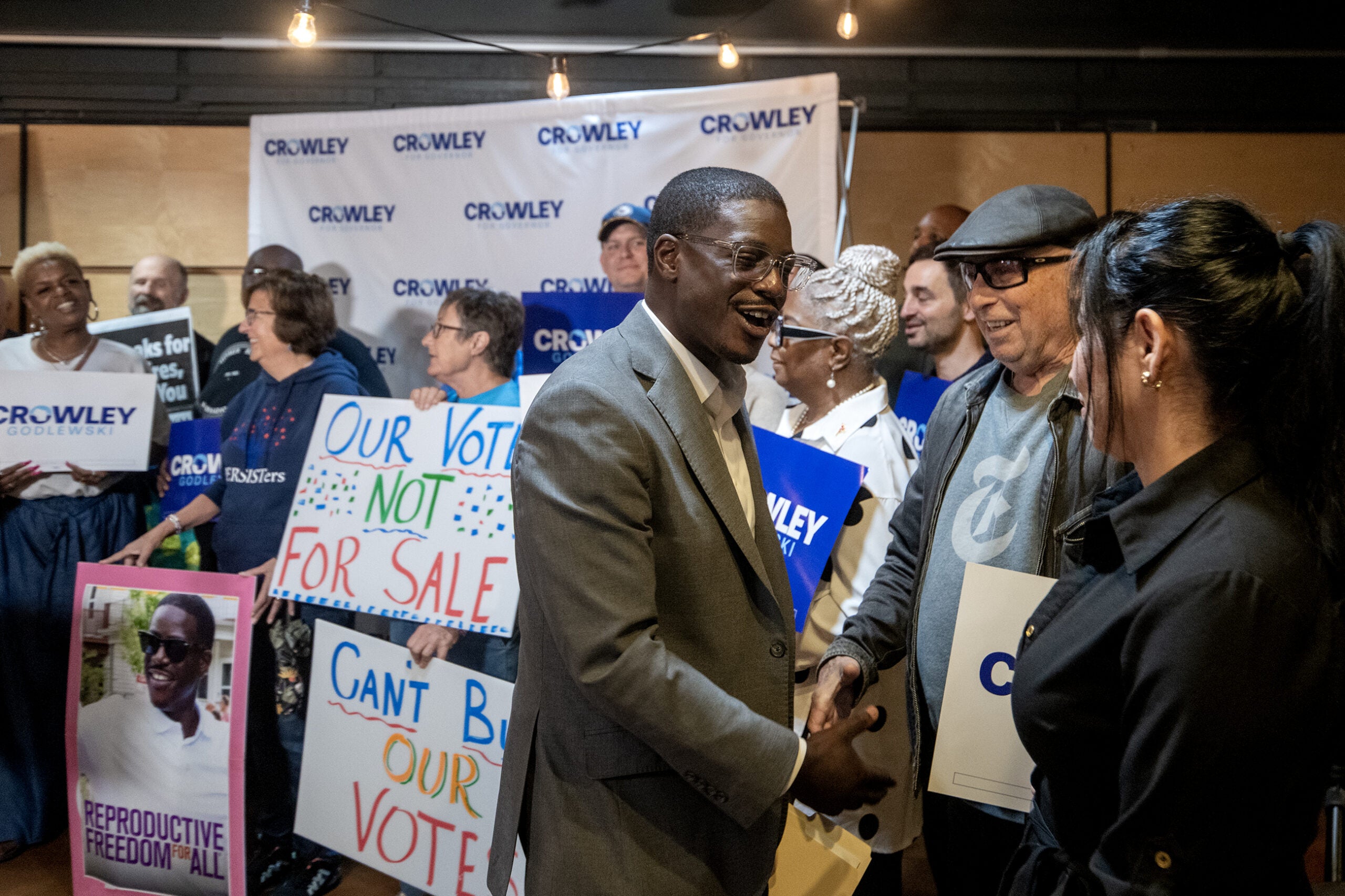
Wisconsin gubernatorial candidate Milwaukee County Executive David Crowley shakes hands as he enters a press conference Thursday, Oct. 1, 2026, at Milwaukee Public Market in Milwaukee, Wis. Angela Major/WPR
Midterm politics and affordability challenge collide
While both candidates say they want to address affordability, Fuller, the UW-Oshkosh economist, said the governor’s powers to affect national policies fueling inflation — from foreign wars to tariffs — are quite limited.
“There isn’t a whole lot that local or state politicians can do to meaningfully affect the inflation rate because that tends to be driven by national forces,” Fuller said. “In this case, it’s the price of energy, it’s actions by the Federal Reserve Bank (and) the federal government — those things are driving inflation.”
Even so, Crowley said he believes the governor has a role to play when it comes to the national economy.
“A governor may not be able to do much, but we can stand up to this Trump administration,” he said.
Tiffany said he believes his opponent is too focused on Trump, and the governor would need to work with the president on disaster relief.
While Tiffany has broken with Trump on some issues, including renaming Lake Ontario and recently calling for an end to the Iran war, he defended many of Trump’s policies and argued the president should be judged by his full term.
“He’ll be judged by history — he’ll be judged over the course of his four years,” Tiffany said.
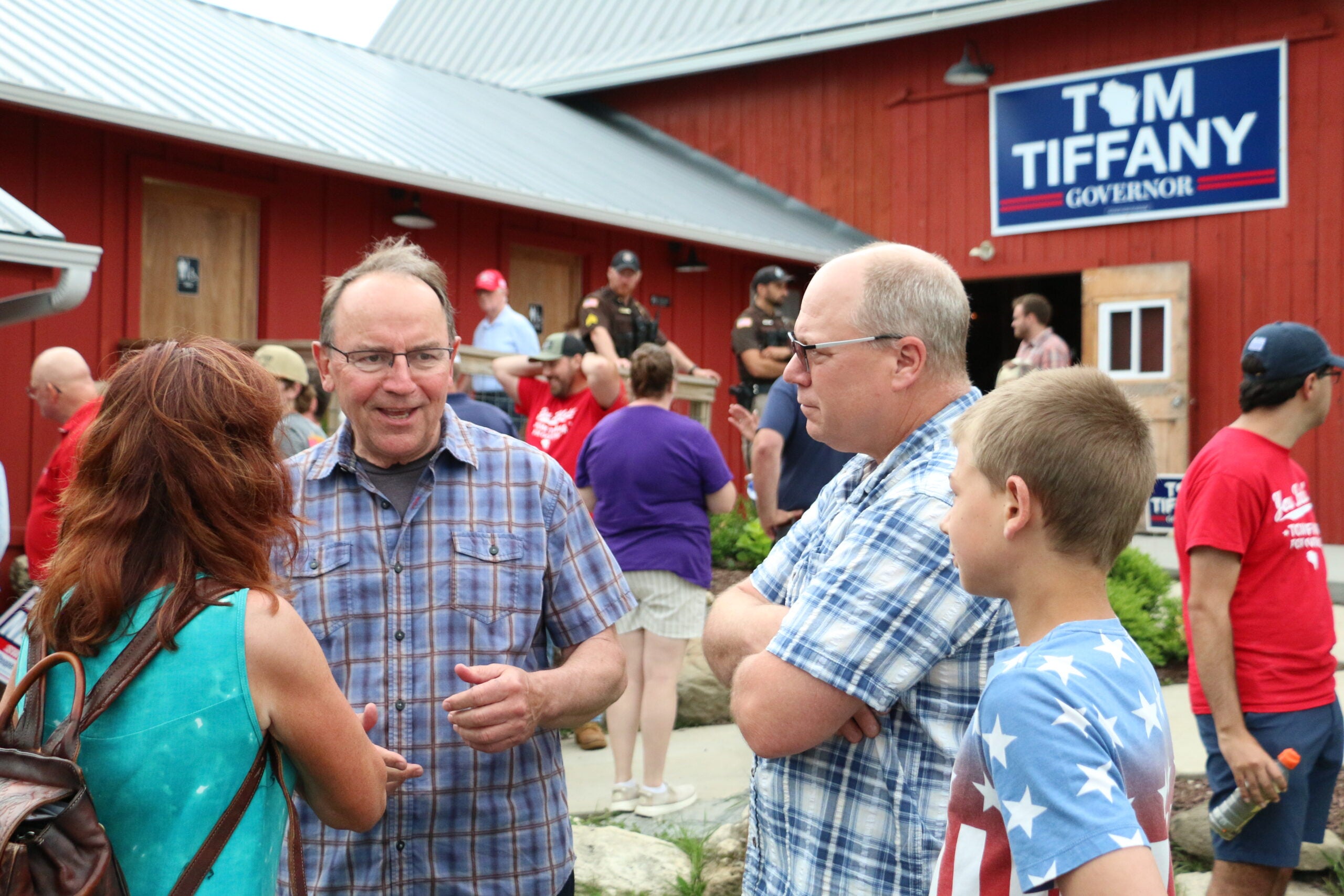
Republican Congressman Tom Tiffany talks with supporters at his gubernatorial campaign’s “Freedom Fest” event at West Bend’s Elderberry Manor wedding barn June 28, 2026. Rich Kremer/WPR
In the September Marquette Poll, Trump had a negative approval rating in Wisconsin at 38 percent. Sixty percent of voters disapproved of Trump’s job performance.
Aaron Weinschenk, a political science professor at UW-Green Bay, said midterm elections are generally tough for the president’s party if voters feel they aren’t getting ahead economically.
“Maybe it matters more in a race like ours, where we’re a battleground state and things are looking to be pretty tight between the candidates,” he said. “It might be that (the candidates) don’t even need to talk necessarily about the economy. They could just talk about the president in general.”
While he said candidates’ economic plans and platforms are important for accountability, Weinschenk admitted most voters don’t actually read them in detail.
“A lot of people are operating on much more simple cues than reading a document from the candidate,” Weinschenk said. “They know how things are going in their life. They know which party they like. They know how they feel about the president. Those are pretty good guides for the decisions they’re going to make.”
For Evans, the former Trump voter from Oshkosh, affordability is her top concern this election, though she hadn’t yet made up her mind in the governor’s race.
“It is top of mind because it affects us so greatly,” she said. “It’s something that I think about every day, ‘Oh man, where’s the money gonna come from here?’ And it’s definitely on the forefront of my mind and how I would vote.”
Affordability is voters’ top issue. Wisconsin governor candidates clash on addressing it. was originally published by Wisconsin Public Radio.
If you think stories like this are important, become a member of Urban Milwaukee and help support real, independent journalism. Plus you get some cool added benefits.
Political Contributions Tracker
Displaying political contributions between people mentioned in this story. Learn more.