

Milwaukee’s Data Center Moratorium Heads To First Public Hearing
But an exemption is proposed for one influential organization.
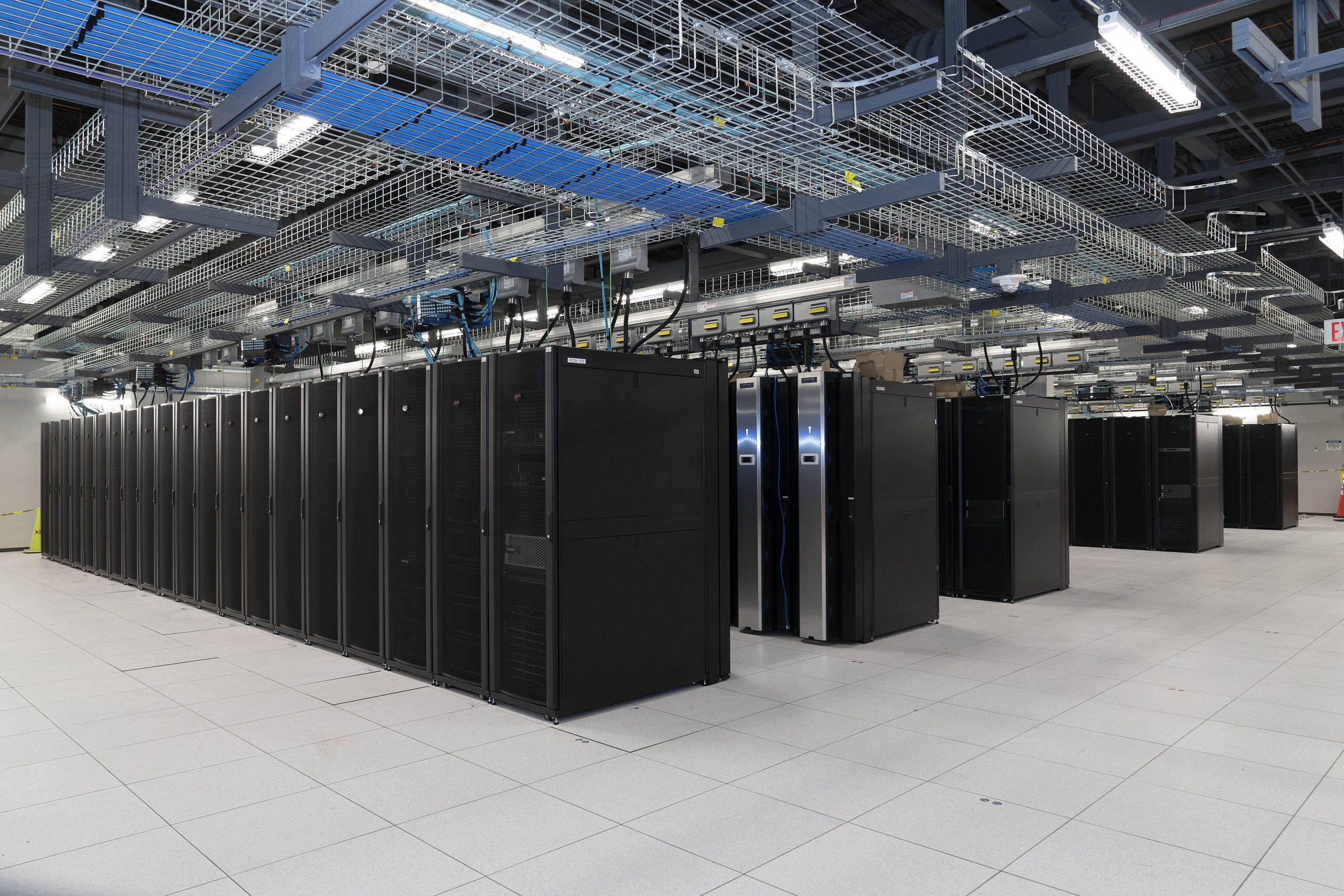
Data center. (CC0)
Milwaukee’s proposed moratorium on new data centers is advancing to its first public hearing.
The City Plan Commission is scheduled to consider the temporary ban on Sept. 28, according to a newly published agenda. The hearing is another step toward imposing a one-year pause while city officials finish writing permanent regulations for the energy- and water-intensive facilities.
The proposal would bar city departments, boards, commissions, agencies and officers from accepting or processing virtually any new application connected to the establishment or development of a data center. The prohibition would cover requests to construct, enlarge, expand, convert or occupy a data center.
The moratorium would remain in effect for one year after passage or until the city’s zoning code is amended to specifically define and regulate data centers, whichever comes first.
Milwaukee’s zoning code does not currently treat data centers as a distinct land use. Alderwoman Marina Dimitrijevic has pursued both the moratorium and a permanent zoning framework in an effort to put rules in place before a major proposal is submitted.
The ordinance says the rapid proliferation of data centers is creating new challenges for communities, including demands on energy and water infrastructure and potential effects on the environment and public health, safety and welfare. It also says the Common Council wants any data centers to be compatible with the city’s Climate and Equity Plan.
The Zoning Code Technical Committee endorsed the moratorium on Aug. 10. The advisory body’s recommendation allowed the proposal to proceed to the City Plan Commission, which will make a recommendation as part of the zoning review process.
The proposal would still need approval from the Common Council before it could take effect.
A pending amendment from Alderman Robert Bauman would exempt the Forest County Potawatomi Community from the restrictions for data centers on tribal land, regardless of where that land is located. Potawatomi, through Data Holdings, currently operates a 46,000-square-foot data center on the former Concordia campus in Bauman’s district.
A Potawatomi representative did not immediately respond to a request for comment.
The current substitute ordinance already contains an exception for properties governed by planned development districts. It also excludes server rooms or data facilities that support another principal use on the same property.
For purposes of the moratorium, a data center would be defined as a facility used primarily to operate, maintain or provide access to computer and network equipment that transmits voice, data, text, internet, sound or video. The definition also encompasses supporting infrastructure, including offices, air handlers, generators, fuel storage, water cooling and utility facilities.
The ordinance is sponsored by Dimitrijevic, Alex Brower, Russell W. Stamper, II and Bauman.
Dimitrijevic told Urban Milwaukee in July that she viewed the temporary ban as a backup while the more complicated permanent regulations moved through the city’s review process.
“My goal is to do the regulation,” she said. “But I had to have a backup plan.”
She initially hoped to move directly to permanent regulations, but revisions to that ordinance triggered additional public notice requirements and pushed its consideration into the fall.
The proposed regulations would limit data centers to properties zoned Industrial Heavy and establish different approval requirements based on a facility’s size. A version discussed this summer would allow smaller facilities under certain conditions, send mid-sized proposals to the Board of Zoning Appeals and require the largest projects to obtain a site-specific zoning change.
Data center development has surged nationally alongside growing demand for artificial intelligence and cloud-computing capacity. The projects can represent major investments, but their electricity and water consumption, generator noise, limited number of permanent jobs and effects on surrounding neighborhoods have drawn scrutiny in Wisconsin and elsewhere.
The issue came to a head in Milwaukee this summer during the debate over the redevelopment of a vacant Walmart store at Midtown Center. That proposal initially included a 19,000-square-foot “computer research facility” that opponents characterized as a data center. The developer later removed the facility from the plan. The draft regulations, however, wouldn’t have prevented it because it was under 20,000 square feet in size.
Dimitrijevic has said her proposal is intended to create public oversight without blocking technological investment.
“We’re trying to get ahead of a market that’s moving way faster than we can react and regulate,” she said in July. “AI is here, and I think it actually has some benefits, but we’ve got to regulate it.”
If you think stories like this are important, become a member of Urban Milwaukee and help support real, independent journalism. Plus you get some cool added benefits.
More about the Milwaukee data center regulations
- Council Unanimously Approves Data Center Moratorium - Jeramey Jannene - Oct 13th, 2026
- Milwaukee’s Data Center Moratorium Takes Key Step Forward - Jeramey Jannene - Oct 6th, 2026
- Commission Endorses Milwaukee Data Center Moratorium After Fiery Hearing - Jeramey Jannene - Sep 30th, 2026
- Milwaukee’s Data Center Moratorium Heads To First Public Hearing - Jeramey Jannene - Sep 17th, 2026
- Op Ed: Why We Support a Temporary Moratorium on New Data Centers - Ald. Marina Dimitrijevic and Ald. Russell W. Stamper, II - Jul 27th, 2026
- Milwaukee Will Pursue Data Center Moratorium - Jeramey Jannene - Jul 24th, 2026
- City Hall: Milwaukee Introduces Data Center Regulations - Jeramey Jannene - May 20th, 2026
- City Hall: Alderwoman Seeks To Regulate Data Centers in Milwaukee - Jeramey Jannene - Dec 19th, 2025
Read more about Milwaukee data center regulations here
Political Contributions Tracker
Displaying political contributions between people mentioned in this story. Learn more.






















“Potawatomi, through Data Holdings, currently operates a 46,000-square-foot data center on the former Concordia campus in Bauman’s district.”
Would our Potowatomi (and Forest County Potowatomi) friends help us understand how they have reconciled the perceived stress on our natural environment (use of extensive water for cooling, ambient noise, etc.) with this data center? How do the perceived benefits outweigh the potential risks from their perspective?