Wisconsin Will Benefit from $13 Million in Federal Brownfields Grants
Smaller communities hope cleaning up contaminated land will allow for redevelopment.
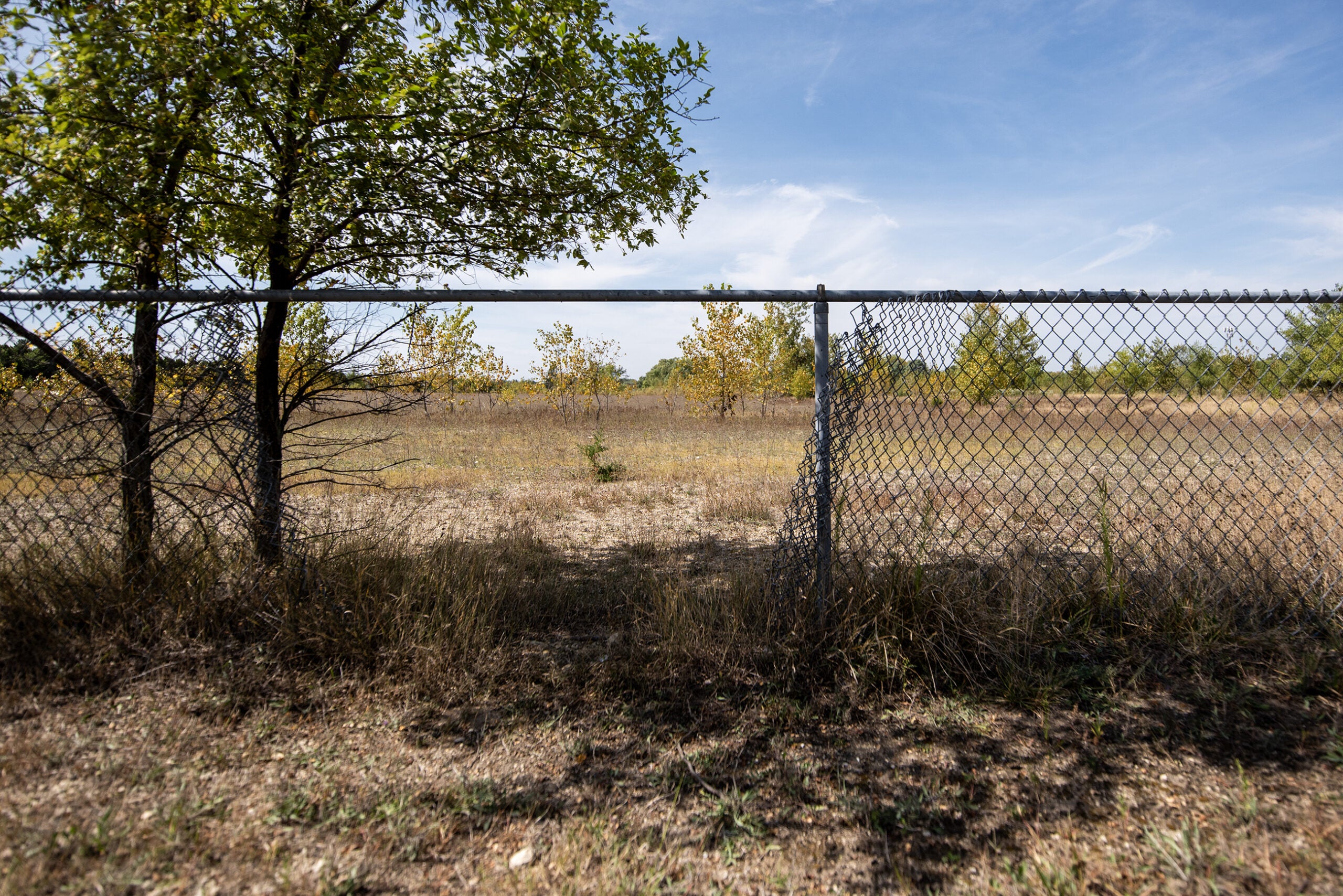
A portion of the General Motors assembly plant site that will be acquired by the city of Janesville for potential redevelopment on Friday, Sept. 13, 2024, in Janesville, Wis. Angela Major/WPR
Leaders in Wisconsin communities say they hope new federal grants aimed at cleaning up contamination can pave the way for redevelopment.
“One of the most challenging things for any community is cleaning the mistakes of our past, and that’s what we’re dealing with,” Stevens Point Mayor Mike Wiza said.
Stevens Point was recently picked by the U.S. Environmental Protection Agency for a grant to help clean up troublesome properties where environmental cleanup is a barrier to getting back on the market for redevelopment. It’s part of a brownfield grant.
The EPA awarded roughly $13 million in brownfield grants to sites across Wisconsin, including major cities like Milwaukee and Green Bay. But many of the areas selected are outside of large urban centers — including Stevens Point in central Wisconsin and Kewaskum in the southeastern part of the state.
A brownfield is a property facing challenges in redevelopment because of potential hazardous substances left from previous uses, according to the EPA. Their research estimates there are over 450,000 brownfields in the U.S.
“Almost every time you put a shovel in the ground, you find something that isn’t supposed to be there by today’s standards,” Wiza said. “But 75 years ago nobody thought twice about it.”
And choices made by property owners dozens of years ago are stopping modern development, Wiza said. He said he wishes people would think more about what they put in the ground — because those choices create costs for smaller Wisconsin communities.
One spot in Stevens Point, which the city is actively trying to handle, is a long-vacant former dry cleaners at a defunct mall created in the 1980s.
“It’s almost impossible to find the funding within our own budgets to try and do (the necessary cleanup), which often delays redevelopment to the property, whether it gets turned into a park or another business, or any number of things,” Wiza said.
Stevens Point’s case isn’t unique. Other communities including the city of Brillion in Calumet County have plans for improving local spaces. However, the cost and realities of cleaning the sites can be a hindrance to progress.
“It’s a slow game, this brownfield redevelopment,” said Jason Pausma, economic development director for Calumet County.
Pausma said brownfield sites don’t always mean contamination from oil leaks. It could be a sawmill site that was filled in with trash — bottles, sawdust and metal scraps.
But state and federal grants are “huge” for taking steps to make them productive community spaces again, he said. Calumet County has been working on fixing multiple brownfield sites for years with EPA grants, and is helping other communities navigate the process.
Stevens Point has a development plan for the area around the old mall including housing, mixed-use developments, streets and a bus stop, Wiza said.
“But in this case, there’s the contamination,” Wiza said. “So the projects are on hold until we can get that cleaned up.”
Stevens Point applied for brownfield grants last year, but wasn’t selected, Wiza said.
“We’ve had deals with the developers that were in the talks, and they went away because of the delay,” Wiza said. “And you’ve got to put yourself in the developer’s shoes too: They want to start making money right away.”
Pausma pointed to Brillion, which received its own separate grant from the EPA focused on the Brillion Iron Works site, which is an old foundry.
“They have started redeveloping that already,” he said. “In fact, there’s a daycare that’s been built on it (and) a new health clinic. There’s multifamily (housing) that’s currently being developed on that too.”
Another project currently underway will help turn a brownfield into a dog park in Chilton, according to Pausma.
Wiza said he hopes the grant will help jumpstart redevelopment plans across Stevens Point. The EPA granted the city’s redevelopment authority over $3 million for cleaning the mall site, and the city received $500,000 for eight brownfield assessments and three cleanup plans.
“I’ve got a map in my office of developable properties, some of them have had what we call Phase 1 assessments, and they’re like, OK, they’re clean. We can start to market this,” he said.
Smaller Wisconsin communities hope federal cleanup grants can jumpstart reuse of local land was originally published by Wisconsin Public Radio.
If you think stories like this are important, become a member of Urban Milwaukee and help support real, independent journalism. Plus you get some cool added benefits.