

Why Cream City Brick Matters
On Milwaukee Day, pause to admire the building material that gives the city its nickname.
On Milwaukee Day, pause to admire the building material that gives the city its nickname. Back to the full article.
Photos - Page 2
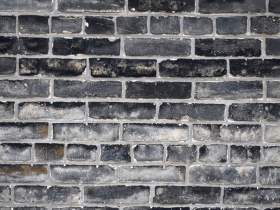
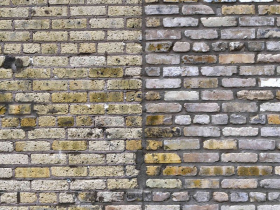
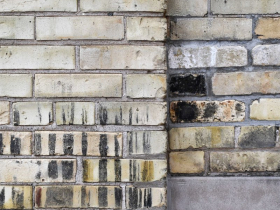
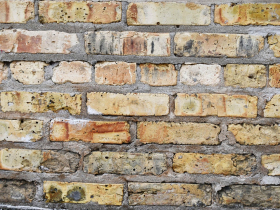
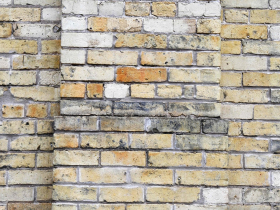
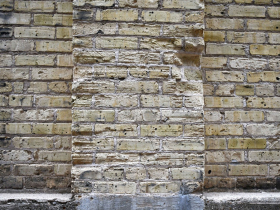
Categories: Real Estate

















Why aren’t cream city bricks newly made here now?
This story wonderfully tells the tale of an aspect of Milwaukee history I didn’t know about. Thank you!
I work at Kohler Company and most of the factory buildings, built in the 1920s, are made with cream city bricks. Great story! See you in a few miles…roy
Thank you for asking that question, mpbehar. Cream bricks are no longer manufactured for a number of reasons, mostly general here. One manufacturers eventually retire and if nobody picks up the business, it dissolves. Deposits in Milwaukee proper are also not in the abundance that they once were. Historically sites in Ohio and Indiana offered much more competitive operations. The development of more sophisticated bricks in the 20th century and evolution of using cement blocks instead of common brick was pivotal – dramatically reducing the demand for cream brick which was primarily used as insulation or on the sides/alley walls. The newly published book by Will Quam, Fire and Clay, describes this “end of common brick” very well. The book primarily deals with Chicago but the content is relatable to Milwaukee. I highly recommend getting your own copy. It’s very illuminating and fascinating to read. But, as for using local clay today, I have meet several enthusiasts who have shown me their test results from firing clay on their property: this stuff is still here and can still be fired into durable bricks. Yes it “could” be done. It would be labor-intensive and perhaps not-cost as effective to actually do this work as a business but the work can be done.
And Roy from Kohler, thank you for you comment. Yes, cream bricks were manufactured all across Lake Michigan – from Two Rivers to Kenosha. Many brickyards produced cream bricks. Sometimes we confuse all cream bricks with the Cream City (we’ve all done it!), but only bricks from manufacturers of Milwaukee are known as “cream city brick.” Racine, similarly, is the Blonde Beauty of the Great Lakes as they also manufactured cream bricks. Check out Heinrich Ries “History of Wisconsin Clays” from 1906 to learn more about the different brickyards in Wisconsin that did this work.
Ben Tyjeski: thanks!!
In lieu of making your own, you can find them for purchase down at the good old Brickyard in BV!
Thanks for the suggestion on further reading!