

Why Cream City Brick Matters
On Milwaukee Day, pause to admire the building material that gives the city its nickname.
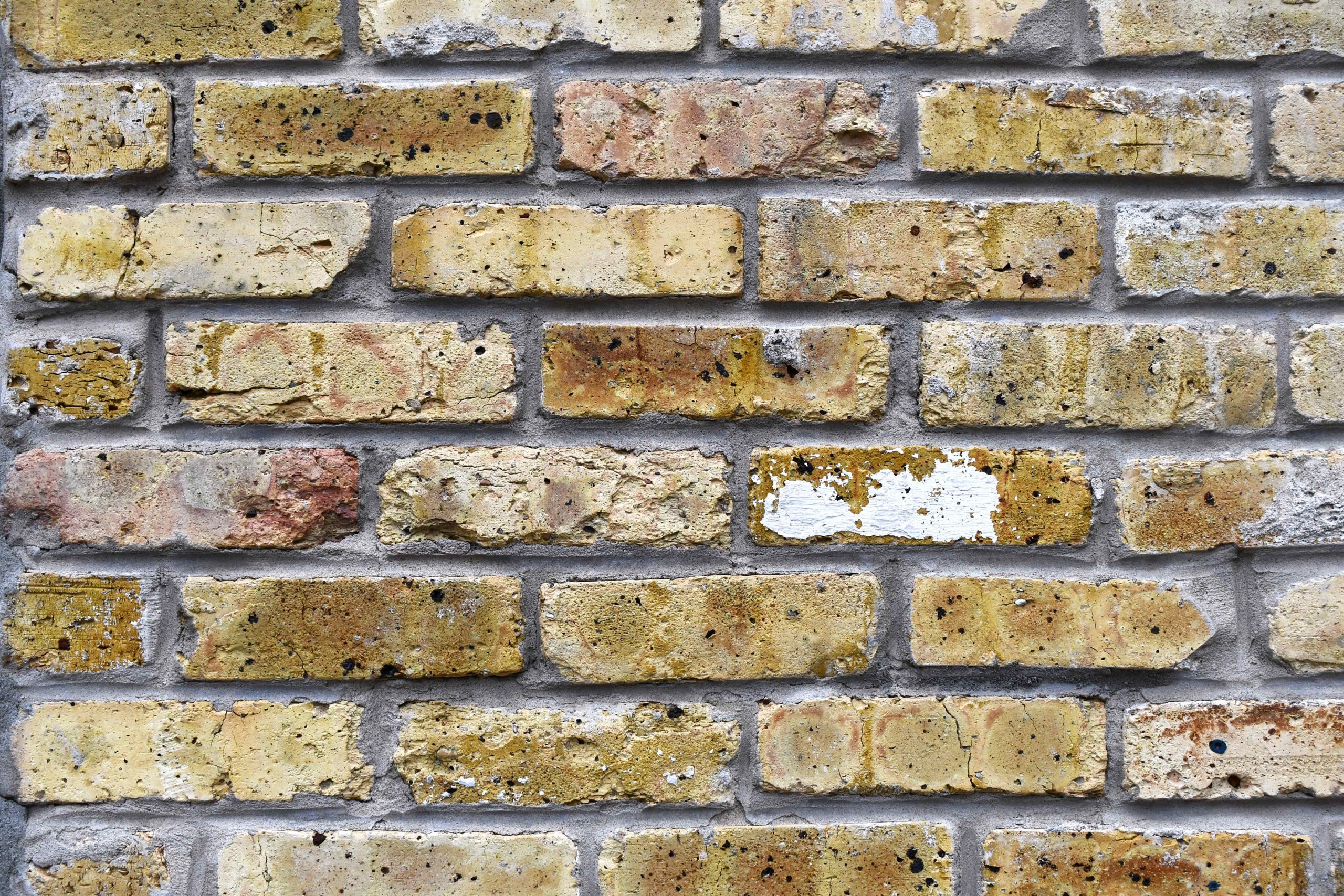
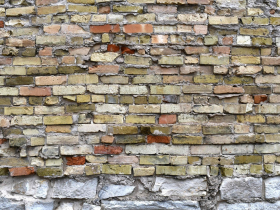
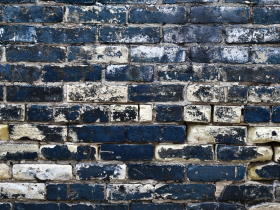
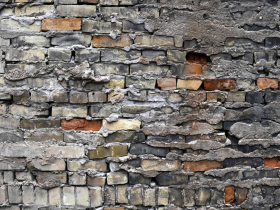
Cream city bricks. Photo taken April, 9, 2026 by Ben Tyjeski.
The allure of an old building, free from the woes of time and the elements, to appear as if it were in its original state is tantalizing, even if unattainable. Milwaukee knows this dilemma all too well, as so much of the city was constructed two centuries ago. But instead of begging for a tabula rasa, Milwaukee shows its character.
The zeal for maintaining so many of these buildings comes down to one building material. Unrivaled in its abundance and aesthetics, Milwaukee in the 1800s built itself from the ground like plants sprouting from the earth after a prairie fire. This one building material, as it is well known, gave birth to the city of Milwaukee: cream brick. Entire blocks were erected with buildings made of these bricks. Unlike the popular red bricks in other cities, Milwaukee’s bricks were cream-colored. It was a regional anomaly, a gift from the age of glaciers, which inspired the city of bricks to be nicknamed the Cream City.
To this day, these pale bricks with a soft, buttery color are still everywhere and command attention. Sunlight on these bricks highlights their varying tones, as one sees when a sunset bathes a field of wheat, and produces a soothing glow that lingers into the evening.
Of course, this description does not represent all Cream City bricks. Ugly ducklings are plentiful, charred by years of puffy engines or tragically painted over. There is also a wide range of textures, from smooth to gritty, chipped and cratered, and filled with random stones or minerals. In Milwaukee, though, these defects are proof that these bricks are like living organisms and part of their environment.
Because cream brick was so widely used in Milwaukee during the 19th and early 20th centuries, imagining Milwaukee without cream brick is inconceivable. Like organic architecture, buildings constructed with these bricks belong to the land they were built on because these bricks are the land.
Other bricks can have attractive offerings, but they are not Milwaukee. Without education on the captivating qualities of Cream City bricks and why they need to be preserved, their significance will fade.
The narrative explaining the importance of these bricks often addresses that these bricks are old and were used prolifically once upon a time. But age, charm or personal affection toward them is not why Milwaukee preserves these bricks. Cream bricks are inherent to Milwaukee for reasons that would even cause the demolition crew to hit the brakes on the wrecking ball. Here are three.
The first is that these bricks represent our local geological history. The timeline of these bricks goes back hundreds of thousands of years, when successive advances and retreats of ice sheets during the interglacial periods deposited this clay into the eastern Wisconsin region. These lacustrine clays were reported to be more than 100 feet thick, providing brickmakers ample supply of clay. Early settlers like Solomon Juneau summoned easterners Nelson and Thomas Olin to harvest this clay to erect some of his first buildings. Hence, when builders in Milwaukee are using cream bricks, they are working with bricks made of the ground that they are literally building on top of.
The essential quality that these bricks were made locally paves the way to the second reason for why cream bricks are so important to Milwaukee: the lost art of being handmade. Handmade building materials in the built environment today are increasingly rare. Too many building materials today come from big-box stores, where products are manufactured in distant warehouses and homogeneous, synthetic products are distributed worldwide. And unfortunately, cities across the country and around the world conform to the same conventional “look.”
As for our cream bricks, since railroads were not around in the mid-1800s, Milwaukee pioneers were not going far to find building materials and learned how to harvest the ground into durable bricks. The first bricks, in particular, were known as common bricks and were made by hand, using tools and equipment that required physical strength. There were no machines to process the clay; rather, it was muscle and stamina. From man to mule, workers breathed in the airborne silica dust, dripped their sweat in the muddy heaps, dug their shovels and pressed their fists into the mounds of clay, and molded them with wet, sandy hands into the desired blocks. The final step, the burning in a kiln, was at times done directly in the ground. From the grip of their shovels to the slathering of mortar with a trowel, our ancestors put themselves into these bricks.
The third reason it is so important to preserve cream bricks is that they represent our own character. Cream bricks gave Milwaukee a unique appearance without costing the fortunes of civilization. They are useful and handsome, but not pretentious. These bricks can produce a fancy-looking wall, but at the end of the day, these bricks were a local resource dug up and burned in a factory down the street. Milwaukeeans can take pride in knowing they can create beautiful buildings with the resources right beneath their feet.
The nature of repurposing cream bricks, a practice now decades old, shows our resourcefulness and a capacity for forgiveness. The years these bricks have endured mean there are many cream bricks that are actually black, dented, painted or have some other defect. They are not clean, but they have personality. And Milwaukeeans find beauty in this. Builders could simply do away with these and procure contemporary bricks readily available and perhaps more cost-effective — and certainly they do — but many do not. Recycling these old butters demonstrates Milwaukee’s virtue of thrift. It is hard work, time-consuming, and the results are not pristine, but it honors local history and culture and is less wasteful.
For these reasons and more, Cream City bricks are the most important building material of Milwaukee. When folks say “the Cream City,” they recognize not only a pride in history but also in our local resources, unique geology and hand labor, as well as a respect for beauty that shows character, strife and perseverance. In essence, we shaped the bricks and the bricks shape us.
The proud tales of cream bricks are nostalgic and have inspired historians like H. Russell Zimmermann and, more recently, Andrew Stern, whose well-researched and detailed history of the bricks, including their manufacturing and architecture, is available as a digital book. And because Milwaukeeans are still surrounded by these historic bricks and keep reusing them, it is possible to learn from their literature and truly appreciate these bricks as both rooted in history and full of possibilities for the present.
In the featured photographs celebrating local cream bricks, you will see only close-ups of the brick walls as a way to encourage readers to come face-to-face with the bricks and see that the pride for Cream City brick comes from more than a color.
Photo Gallery
If you think stories like this are important, become a member of Urban Milwaukee and help support real, independent journalism. Plus you get some cool added benefits.






















Why aren’t cream city bricks newly made here now?
This story wonderfully tells the tale of an aspect of Milwaukee history I didn’t know about. Thank you!
I work at Kohler Company and most of the factory buildings, built in the 1920s, are made with cream city bricks. Great story! See you in a few miles…roy
Thank you for asking that question, mpbehar. Cream bricks are no longer manufactured for a number of reasons, mostly general here. One manufacturers eventually retire and if nobody picks up the business, it dissolves. Deposits in Milwaukee proper are also not in the abundance that they once were. Historically sites in Ohio and Indiana offered much more competitive operations. The development of more sophisticated bricks in the 20th century and evolution of using cement blocks instead of common brick was pivotal – dramatically reducing the demand for cream brick which was primarily used as insulation or on the sides/alley walls. The newly published book by Will Quam, Fire and Clay, describes this “end of common brick” very well. The book primarily deals with Chicago but the content is relatable to Milwaukee. I highly recommend getting your own copy. It’s very illuminating and fascinating to read. But, as for using local clay today, I have meet several enthusiasts who have shown me their test results from firing clay on their property: this stuff is still here and can still be fired into durable bricks. Yes it “could” be done. It would be labor-intensive and perhaps not-cost as effective to actually do this work as a business but the work can be done.
And Roy from Kohler, thank you for you comment. Yes, cream bricks were manufactured all across Lake Michigan – from Two Rivers to Kenosha. Many brickyards produced cream bricks. Sometimes we confuse all cream bricks with the Cream City (we’ve all done it!), but only bricks from manufacturers of Milwaukee are known as “cream city brick.” Racine, similarly, is the Blonde Beauty of the Great Lakes as they also manufactured cream bricks. Check out Heinrich Ries “History of Wisconsin Clays” from 1906 to learn more about the different brickyards in Wisconsin that did this work.
Ben Tyjeski: thanks!!
In lieu of making your own, you can find them for purchase down at the good old Brickyard in BV!
Thanks for the suggestion on further reading!