Razor-Thin Wins, Costly Losses In Wisconsin’s 75 School Referendums
Butternut passed by one vote, Sauk Prairie and Fond du Lac fell short, and Appleton scored a decisive $60 million win.
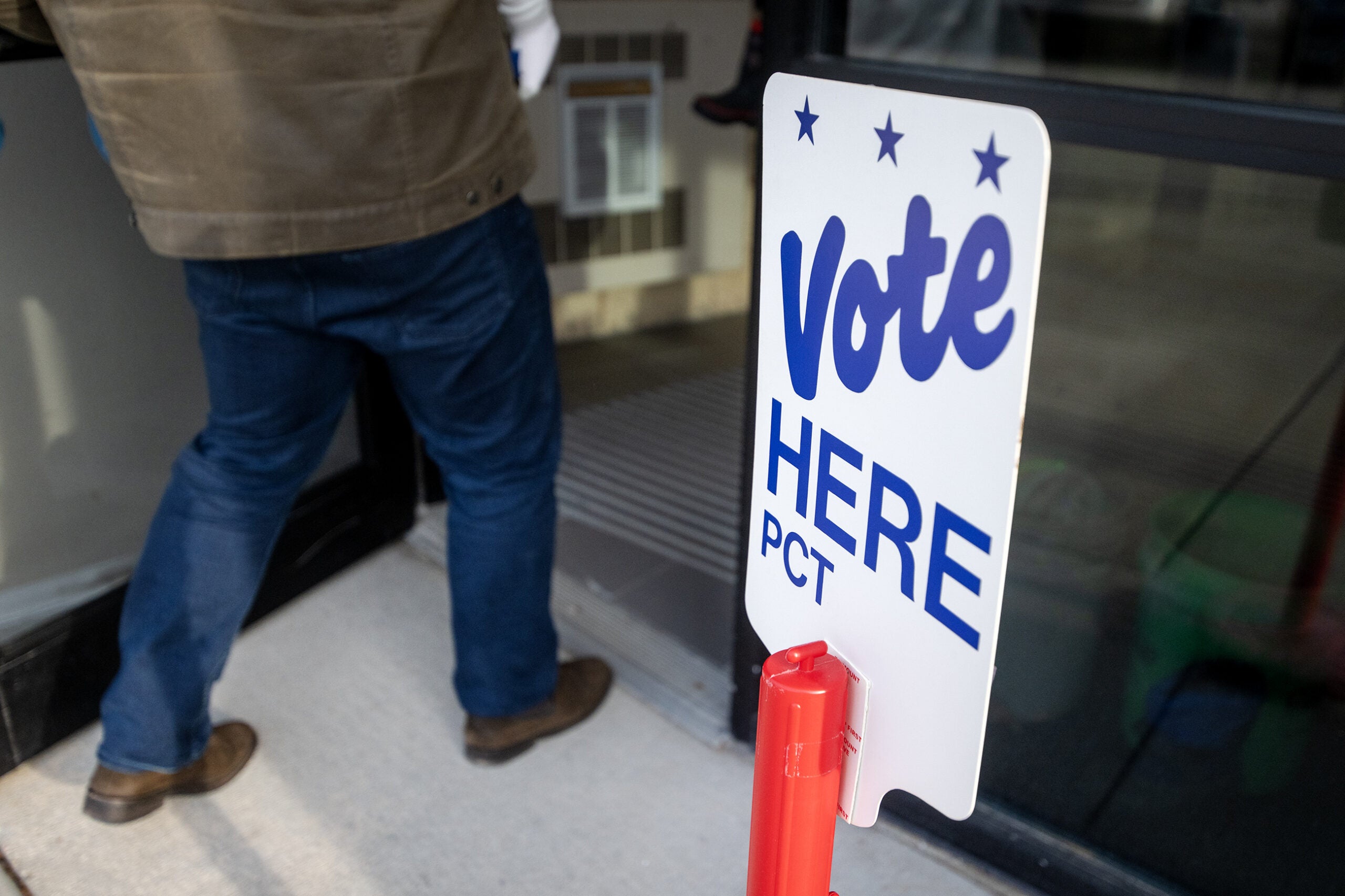
Voters enter a polling location Tuesday, April 7, 2026, at the McFarland Municipal Center in McFarland, Wis. Angela Major/WPR
More than 60 percent of school districts looking for additional local support from taxpayers won approval of ballot measures this week.
But in an election that saw a landslide victory for the liberal-leaning candidate in the state Supreme Court race, many of the 75 school referendums on the ballot Tuesday were decided by close margins.
A referendum for the Butternut School District in Ashland and Price Counties passed by a single vote.
Residents had previously narrowly rejected referendums twice in the last two years. It forced the district to significantly cut staff and resources for students.
The passage will allow the district to exceed the revenue limit by $500,000 per year through 2030.
In Hustisford School District in Dodge County, district leaders say they will begin taking steps to dissolve the district after residents rejected a $3.75 million operational referendum this week in a 861-612 vote.
“The referendum results have created a perilous situation for the future of our school district and the community,” Interim Superintendent Todd Bugnacki said in a statement posted by the district. “Work is urgently underway to ensure our students have access to high quality educational experience for the 2026-27 school year and beyond.”
Wisconsin public school districts have increasingly turned to local taxpayers to approve additional funding through ballot measures as rising inflation combined with state-imposed caps has led deficits. At the same time, taxpayers are also grappling with increasing everyday costs, leading to tough decisions as homeowners must decide whether to back school programing or avoid property tax increases.
It has left school districts and Wisconsinites in an “unsustainable cycle,” wrote State Superintendent Jill Underly in a statement regarding the recent ballot measures.
“This is unfair to students, educators, and taxpayers alike, and it is placing an increasing strain on communities across our state,” Underly said.
Gabriel Velez is a professor at Marquette University. He says the more people feel education is worsening, the easier it is for them to reject a referendum that, to some residents, is the district just “asking for more money.”
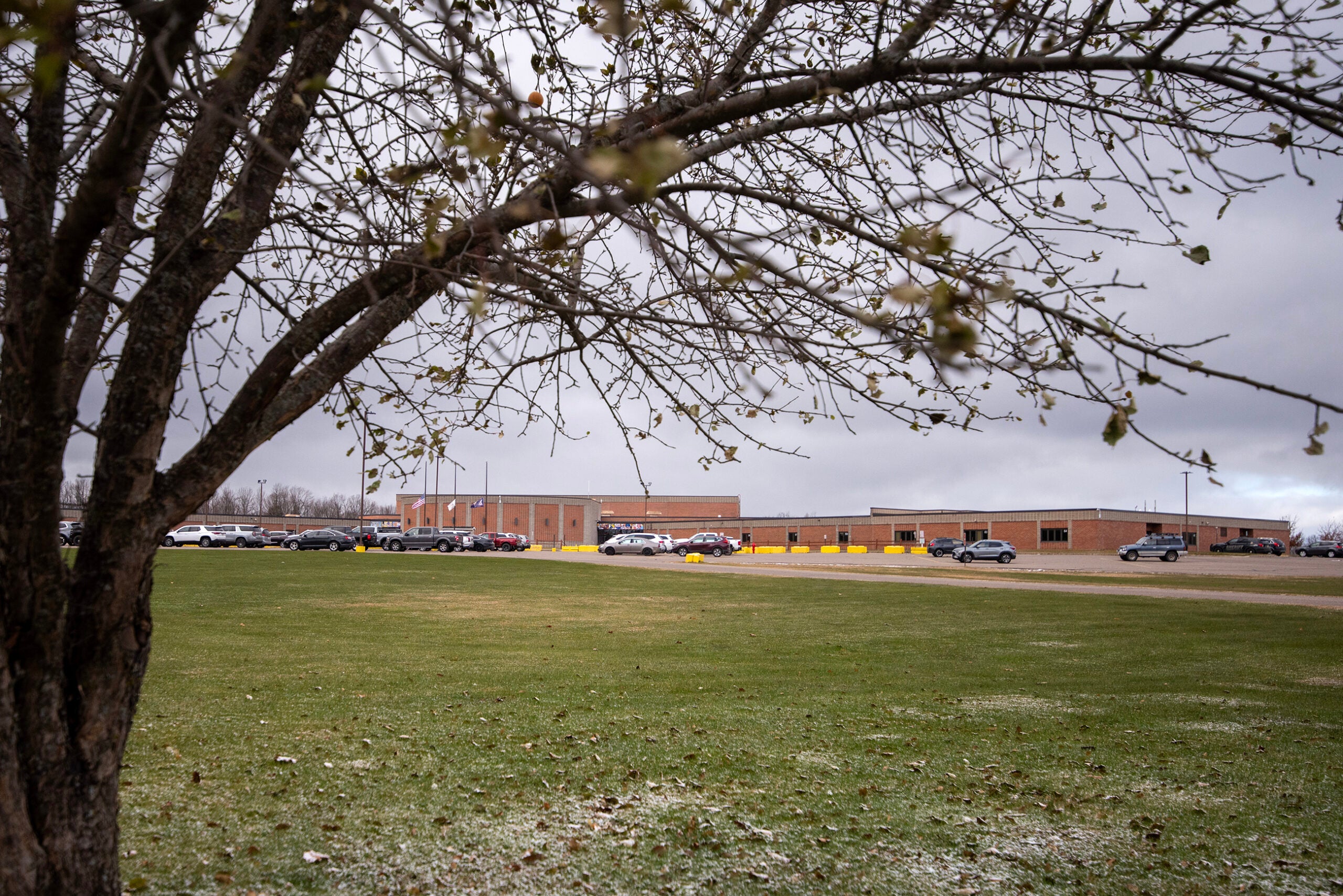
Elementary, middle, and high school students study in one building Monday, Nov. 10, 2025, in Crandon, Wis. Angela Major/WPR
“You have a lot of folks who feel like we need to give more money to the school system, but also folks who are sort of struggling with that choice for whether it be affordability, whether it be feeling like the education system is not serving them, or whatever reason they have,” Velez said.
A recent Marquette Law School poll showed that Wisconsinites are torn on how to fund their schools. Most residents are “very concerned” with public schools in the state. When asked if they would support a referendum in their community, nearly 50 percent answered yes.
Results in several districts show a similar pattern. More than half were decided by a margin of less than 300 votes, around eight by less than 50 votes.
Both referendums at Sauk Prairie School District failed, one by 92 votes.
The Fond du Lac School District wanted to raise their revenue limit to add an integrated camera system to all schools and afford other operational costs.
“It (was to make) sure we had something in place for the safety and security of our staff and students,” District Superintendent Matt Steinbarth said.
After the referendum failed by less than 2 percent, Steinbarth says the district will remain one of the only in the Fox Valley without the security system. They will also have to increase class sizes and cancel some programs with low enrollment.
In other counties, the outcomes were clearer. Appleton Area School District’s $60 million referendum won an overwhelming 66 percent of the vote. It will help maintain programs and fund access to counselors and mental health professionals for students.
Nearby in Calumet County, residents rejected the Brillion School District referendum with two-thirds saying no.
“We’re probably gonna see a lot more people who are going to feel like their school system is not necessarily serving them, because these cuts are going to have to be made,” Velez said.
Wisconsinites voted on 75 school referendums Tuesday, most races decided by small margins was originally published by Wisconsin Public Radio.
If you think stories like this are important, become a member of Urban Milwaukee and help support real, independent journalism. Plus you get some cool added benefits.