
Wisconsin Joins Lawsuit Over Trump EPA Mercury Rollback
State, local governments and advocates say looser coal rules endanger public health and waterways.
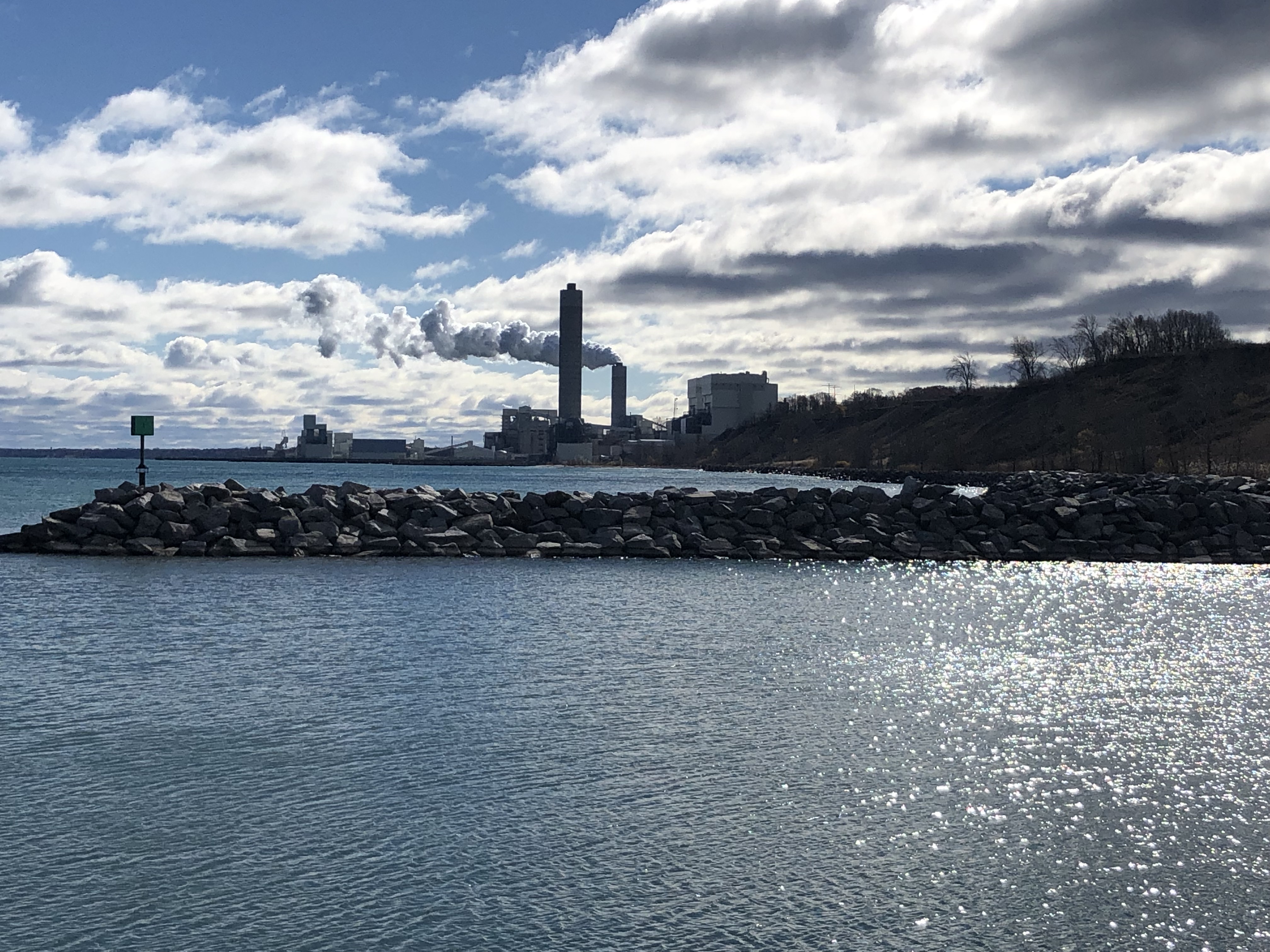
Oak Creek Power Plant. Photo taken November 13, 2021 by Dave Reid.
Wisconsin is part of a coalition of 21 states and local governments suing the Environmental Protection Agency for weakening standards on coal-fired power plants tied to emissions of mercury and other harmful pollutants.
In 2024, the Biden administration required coal- and oil-fired power plants to cut back on emissions of mercury, acid gases and other toxic metals after assessing changes in pollution control technologies. The agency had said it would reduce emissions of mercury nationwide by 1,000 pounds and carbon dioxide by 65,000 tons in 2028.
Last month, the Trump administration’s EPA announced the repeal of those limits, arguing they were anti-coal and posed burdensome costs on utilities.
“People’s health shouldn’t be put at unwarranted risk in order to help polluters make more in profit,” Wisconsin Attorney General Josh Kaul said in a statement Tuesday. “The Trump administration should stop taking us backwards on the protection of our natural resources.”
An EPA spokesperson declined to comment on pending litigation Wednesday. Trump’s EPA has argued the final rule to loosen restrictions would save an estimated $670 million between 2028 and 2037. In its announcement, EPA Administrator Lee Zeldin said the Biden administration’s regulations would have “destroyed reliable American energy.”
Maintaining reliable power amid warnings of potential energy shortages is a top priority, said Rob Richard, president and CEO of the Wisconsin Electric Cooperative Association.
“Wisconsin’s electric cooperatives support environmental regulations that are effective, practical and grounded in sound science,” Richard said. “The mercury rule fails these tests and would have threatened the operation of power plants that are essential to maintaining a reliable grid, without providing any meaningful benefit.”
The Biden administration’s own evaluation of its regulations showed that compliance costs were double the estimated $430 million in combined health and climate benefits of the standards. Environmental advocates say the agency’s regulatory impact analysis only looked at reductions in particulate matter or fine particle pollution, noting that mercury pollution can travel thousands of miles in the atmosphere.
Milwaukee-based WEC Energy Group, which owns We Energies, had submitted comments on the proposed Biden-era standards before they were finalized. The company said the EPA should avoid requiring new and costly pollution controls to comply with new limits, arguing it could extend the life of coal-fired units.
However, We Energies has repeatedly pushed back plans to shutter coal units amid growing energy demand.
Amy Barrilleaux, communications director for Clean Wisconsin, said the Trump administration has already granted exemptions to nearly 70 coal-fired plants from the requirements to reduce emissions of mercury and other toxic chemicals. Clean Wisconsin is among a coalition of environmental and health organizations also suing over EPA’s repeal of the Biden-era limits.
“We should not be about making things easier for coal to be burned in our communities, because the health impacts and the cost of those health impacts are enormous,” Barrilleaux said.
In Wisconsin, most mercury exposure stems from eating contaminated fish. Wisconsin has around 165 listings of mercury contamination in inland waterways along with Lakes Superior and Michigan, according to data from the Wisconsin Department of Natural Resources. Around 40 percent of residents have eaten fish caught from state waters.
Mercury is a powerful neurotoxin that can impair children’s brain development and damage their kidneys, said Dr. Andrew Lewandowski, a pediatrician and board member with the group Healthy Climate Wisconsin.
“My main concern is that by repealing these standards, we’re going to be exposing all people to worsening air pollution that we know is going to disproportionately harm children, women and their unborn children and then the communities surrounding them,” Lewandowski said. “We know that communities of color are also disproportionately harmed by hazardous materials and air pollution based on the siting of power plants.”
Power plants that burn coal are among the largest sources of mercury and other harmful pollutants, accounting for 44 percent of all manmade mercury emissions.
Wisconsin and groups sue Trump EPA for rollback of mercury standards was originally published by Wisconsin Public Radio.
If you think stories like this are important, become a member of Urban Milwaukee and help support real, independent journalism. Plus you get some cool added benefits.