

Election Attorneys Join Fight Against Federal Voter Data Grab
Fears of purging legal voters as DOJ lawsuit seeks sensitive Wisconsin data.
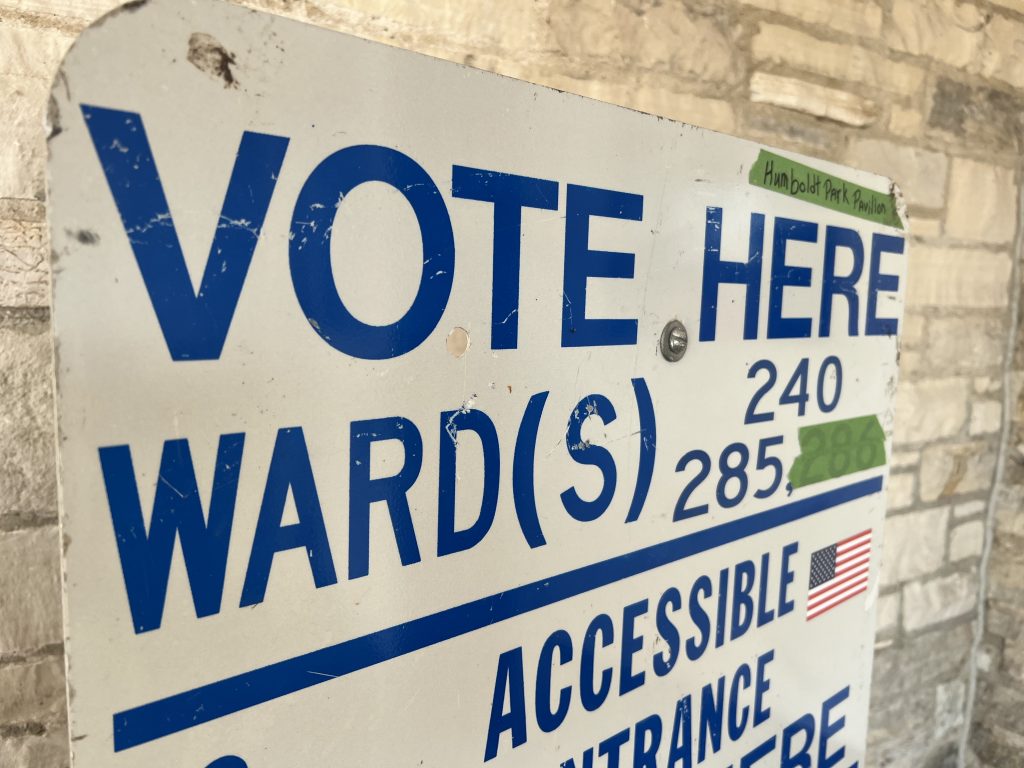
Vote here sign. Photo by Jeramey Jannene.
Attorneys representing Wisconsin Latinos and retirees are trying to block federal government access to sensitive voter data as the Trump administration builds out a national database of voter registrations and works with states to purge voter rolls.
Attorneys from two law firms with experience litigating election cases, including President Donald Trump‘s legal challenges to the results of the 2020 presidential election, are looking to assist in defending against a lawsuit being brought against the bipartisan Wisconsin Elections Commission (WEC) by the U.S. Department of Justice (DOJ).
The DOJ said it needs the data to ensure compliance with federal election laws. But election attorneys and former DOJ staffers are concerned the data is being harvested to provide evidence that can be used to bolster the president’s unproven claims about illegal voting and election fraud, and for future attempts by the federal government to remove voters from state-maintained voter rolls.
Following recent reporting, there is also fear the data will be used to identify immigrants for the U.S. Department of Homeland Security and to assist a new push from the Trump administration to substantially increase denaturalization cases, whereby naturalized citizens are stripped of their citizenship and all the rights entailed, like the right to vote.
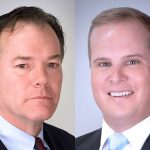
The attorneys, who seek to represent Wisconsin citizens in the lawsuit, include Omeed Alerasool, of D.C.-based Elias Law Group, and Diane M. Welsh, of the Madison-based firm Pines Bach. Both firms have extensive experience with election-related cases and were involved in litigation against the 2020 Trump campaign’s attempt to overturn the results of the election in Wisconsin.
Alerasool and the Elias Law Group represent the Wisconsin Alliance for Retired Americans, which has nearly 100,000 members across the state largely comprised of former public- and private-sector union members. Welsh and Pines Bach represent Forward Latino, an advocacy organization based in Milwaukee County led by Darryl Morin.
Under the Trump administration, the DOJ has attempted to acquire sensitive voter data from states across the country. The DOJ is seeking data that exceeds publicly available voter registration information, asking states for complete voter records that include Social Security numbers, driver’s license numbers and voters’ dates of birth.
Wisconsin is one of more than 20 states that have denied the request. The DOJ first demanded the data from Wisconsin in June. Election attorneys seeking to intervene in the DOJ’s lawsuit characterized the demand as the start of a “pressure campaign.” It began with a letter alleging Wisconsin was out of compliance with federal law. On Dec. 2, the DOJ demanded a complete set of data from the WEC and confidentially requested authority to remove voters from the state’s rolls.
In December, the five-member WEC sent a letter denying the request to Eric Neff, acting chief of the voting section of the DOJ’s Civil Rights Division. The letter explained that state law “explicitly prohibits” releasing the voter information requested, according to a Dec. 2 letter the election commission sent to the DOJ.
The DOJ responded on Dec. 18, filing a lawsuit in federal court to compel the data release. The suit was filed by Brittany Bennett, a trial attorney in the DOJ’s civil rights division and a former Republican lawyer in previous election challenge cases. In 2024, Bennett filed a lawsuit on behalf of the Georgia Republican Party arguing the state’s voting machines weren’t secure in the run-up to the presidential election.
“The law is clear: states need to give us this information, so we can do our duty to protect American citizens from vote dilution,” said Assistant Attorney General Harmeet K. Dhillon of the Justice Department’s Civil Rights Division, after the suit was filed.
The DOJ argues it needs the data to ensure compliance with federal law requiring proper maintenance of voter registration lists, and that the Civil Rights Act of 1960 provides it the legal authority for the expansive data request. Attorneys with experience litigating election cases, as well as former DOJ attorneys, however, are concerned the department is not being honest about its reasons for acquiring the data.
Wisconsin has long been a swing state in presidential elections, and it was a target of the Trump campaign’s attempts to overturn the 2020 presidential election. A lawsuit attempting to throw out 220,000 absentee ballots from Milwaukee and Dane counties was appealed all the way to the U.S. Supreme Court, which ultimately decided not to review the case. State courts and the Wisconsin Supreme Court had ruled against the Trump campaign. Conservative Justice Brian Hagedorn even wrote the court’s majority opinion, saying the campaign’s request “has no basis in reason or law; it is wholly without merit.”
Since then, however, the president has repeated false claims that the 2020 election was stolen and that millions of illegal immigrants cast ballots in U.S. elections. The president signed an executive order in March that sought to require proof of citizenship for voter registration and claimed the Biden administration “actively prevented States from removing aliens from their voter lists.”
Public statements by DOJ officials, like Dhillon, suggest the data request is intended to give the federal government information it can use to remove voters from state-maintained voter rolls. Dhillon has said there will be “cleaner voter rolls” in 2026.
“You’re gonna see hundreds of thousands of people in some states being removed from the voter rolls, correctly,” Dhillon said in an interview with right-wing media network Real America’s Voice. “And by the way, why did [election officials] hesitate to do that in the past? Because the DOJ and some left-wing organizations would sue them when they did their jobs.”
The DOJ has proffered deals with states, including Wisconsin, to let the federal government strike voters from their rolls in exchange for not sharing sensitive voter data. The memorandum, publicly released by the WEC, would require states to hand over sensitive voter data to the federal government and remove any registrations flagged.
In California, where the DOJ is similarly suing for access to confidential voter information, a group of former U.S. Attorneys filed a brief in federal court in December arguing the DOJ is collecting the information to substantiate the president’s unproven claims that illegal votes are being cast in U.S. elections by non-citizens.
The DOJ has stated it needs the data to properly ensure compliance with federal election law, but the former DOJ attorneys said “that purpose appears to be a stalking horse for its true purpose: to create a national voter roll and enable the federal government to conduct its own list maintenance to discover whether noncitizens or undocumented immigrants are registered to vote.”
Forward Latino is also concerned this is the DOJ’s true motivation, not because it would prevent undocumented immigrants from voting, but because it could be used as a pretext for disenfranchising Latino voters and collecting sensitive data to identify individuals for denaturalization.
“Forward Latino views DOJ’s efforts to obtain Wisconsin’s complete, statewide voter registration list—and all the sensitive, personal information contained within it—as an alarming overreach by the federal government, one that threatens to deter and disenfranchise members of the Latino community, including Forward Latino’s members, from civic participation,” according to the legal filing.
The Trump administration recently began pushing U.S. Citizenship and Immigration Services to significantly increase the number of denaturalization cases forwarded to the DOJ’s Office of Immigration Litigation, according to reporting by The New York Times.
In Wisconsin, naturalized citizens are not required to update their driver’s license registrations. Data requested by the DOJ includes driver’s license numbers associated with voter registrations. Therefore, the records requested may potentially misrepresent an individual’s citizenship status.
“These voters face a substantial risk that they will be mistakenly purged from the voter rolls,” according to the legal filing.
If you think stories like this are important, become a member of Urban Milwaukee and help support real, independent journalism. Plus you get some cool added benefits.
















Why not simply fix the citizenship status.
Why not be transparent?