

State Bill Gives Tax Credits to New Nuclear Power Plants
12-1 bipartisan committee vote seeks more energy to supply data centers.
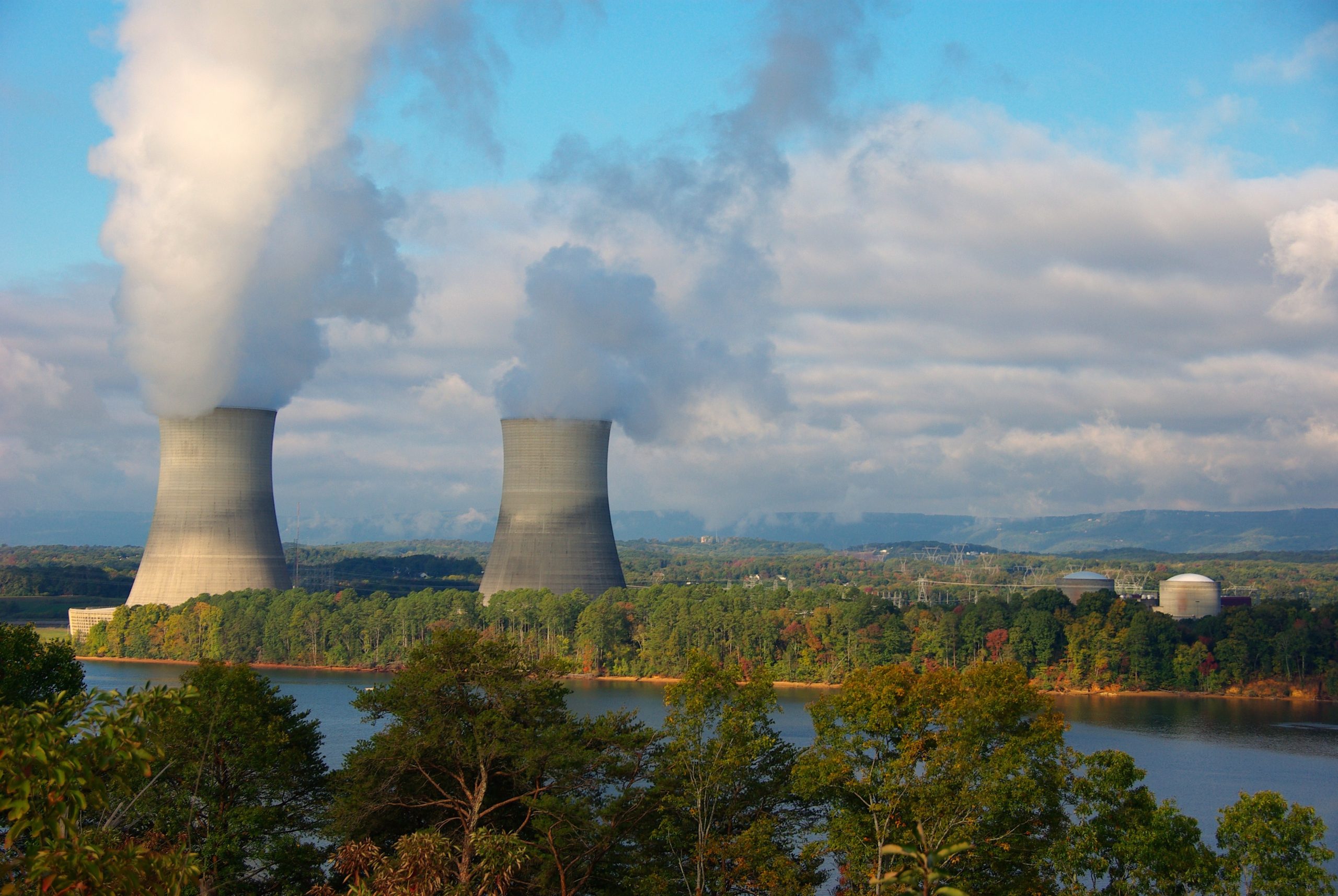
Sequoyah Nuclear Power Plant near Chattanooga, Tennessee. Photo by Photorush, (CC BY-SA 3.0), via Wikimedia Commons
A bill in the Wisconsin Legislature aims to incentivize the development of new nuclear power plants through state tax credits and would make nuclear power a high-priority energy source.
Under the bill, new nuclear plants coming online in 2030 or later would be able to qualify for tax credits based on their energy generation. The bill would also create a tax credit for nuclear plants that are relicensed by federal regulators.
State Rep. Shae Sortwell, R-Gibson, is one of the lawmakers who introduced the bill in the Assembly. He said it’s aimed at lessening the costs of bringing nuclear energy to Wisconsin.
“I believe the most significant detractor on nuclear power is the significant startup cost,” he said. “It costs a lot to kind of get it up and going, particularly right now, because it’s been so long since we’ve really built any new nuclear power plants.”
Sortwell said more nuclear energy is needed in Wisconsin because demand for electricity is expected to increase from the development of major data centers across the state. While solar and wind power rely on sun shining or wind blowing, nuclear power isn’t weather-dependent while also not releasing carbon emissions.
The bill also allows utilities to count electricity from nuclear power toward the low-carbon-emission sources they report to the state, alongside wind and solar.
“We want to make sure that nuclear power is treated the same way as other carbon-emission-free power sources, like wind and solar,” Sortwell said.
The bill would also allow the state Public Service Commission to approve special rates for very large customers, those with energy demand of 75 megawatts per month or more, if they’re powered by nuclear energy, they agree to the special rates and other ratepayers aren’t subsidizing very large customers’ energy usage. Those rates are targeted primarily at data centers.
State Rep. David Steffen, R-Howard, chairs the Assembly’s Committee on Energy and Utilities. He said the goal of the special rates for very large customers is aimed at making those entities responsible for the financial elements of a project without pushing costs onto residential ratepayers.
The proposal cleared Steffen’s committee on a 12-1 vote last month, with lawmakers of both political parties voting in favor of it. State Rep. Supreme Moore Omokunde, D-Milwaukee, was the lone “no” vote in committee.
The Citizens Utility Board of Wisconsin testified at a hearing on the bill, and raised concerns about possible cost overruns of nuclear projects.
Other groups that have taken lobbying positions against the bill include the conservative Americans for Prosperity, as well as environmental group Clean Wisconsin and the Wisconsin Industrial Energy Group.
Steffen and Sortwell both said they felt the bill has a strong chance of reaching Gov. Tony Evers’ desk. The lawmakers said there’s been work behind the scenes with the governor’s office and Democrats to make the proposal something that can get support from both sides of the aisle.
“Whenever we can have 12 out of 13 members voting in favor at a committee level, that is a good sign for a bill making its way entirely through the system and becoming law,” Steffen said.
A separate bill in the Legislature would create a sales and use tax exemption for equipment and materials used by nuclear fusion projects that receive a certification from the Wisconsin Economic Development Corporation.
Steffen said fusion energy is the “holy grail” of energy production, but the technology is still perhaps a decade away from making its way to commercial production.
“We want Wisconsin to be at the forefront of the research development and supply chain associated with this technology,” he said of the fusion bill.
State bill would give tax credits to new nuclear power plants in Wisconsin was originally published by Wisconsin Public Radio.
If you think stories like this are important, become a member of Urban Milwaukee and help support real, independent journalism. Plus you get some cool added benefits.



















What is the plan for nuclear waste from these new plants? Is it the same on-site storage that we’re doing now because there’s no long-term plan? I think before we reopen Kewaunee or build new plants, there needs to be a solution to nuclear waste disposal.
I’m also skeptical that residential ratepayers won’t be paying for the expansions. Data centers will need all the base load power since they run 24/7 anyways, so why don’t they just build their own power generation onsite for themselves? Because they want everyone else to subsidize their profits, just like professional sports teams.
Alan, I agree. Those are important considerations.