
City Bans Discrimination Based on Hairstyle
In unanimous vote, Milwaukee passes local version of CROWN Act.
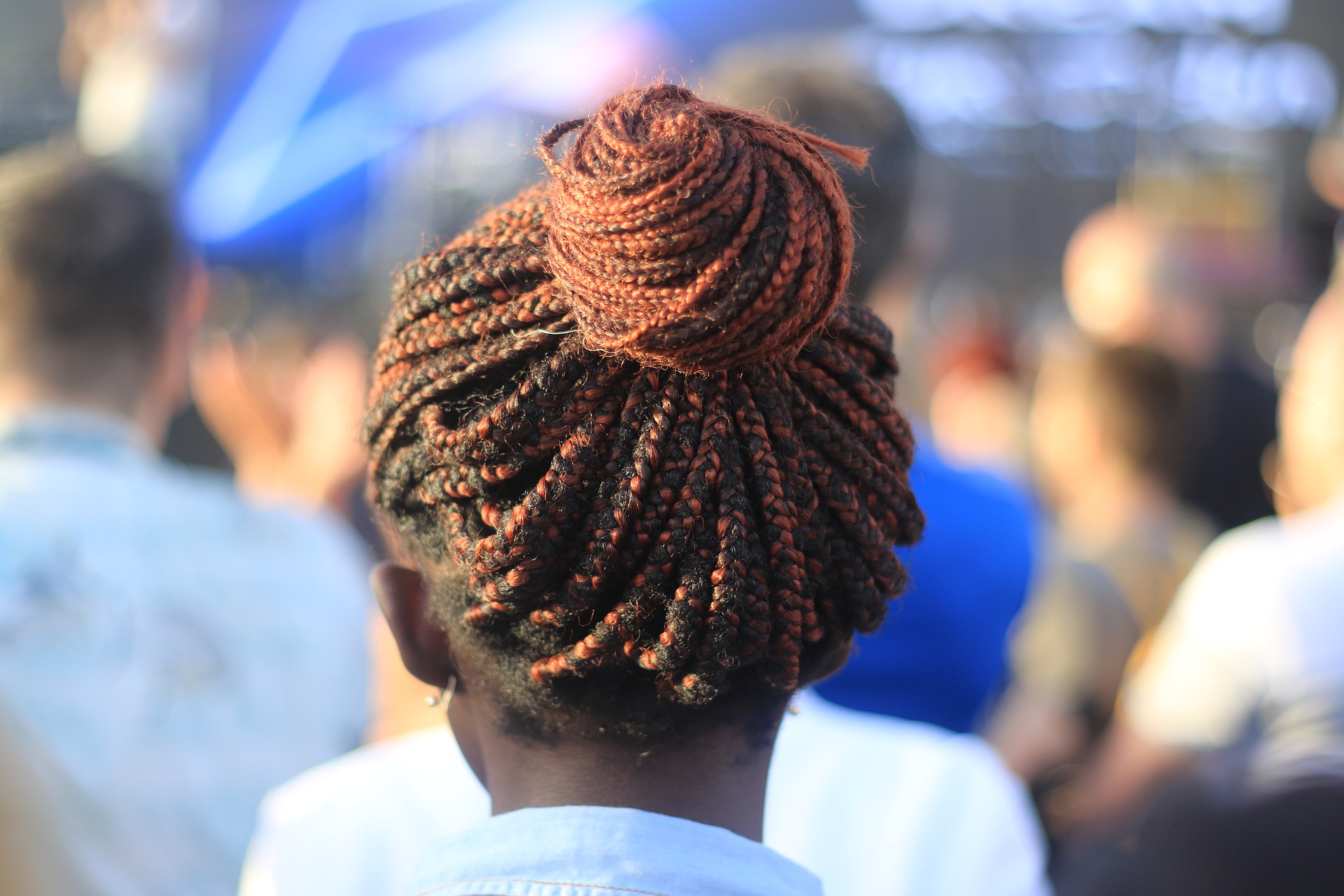
Braids. (Pixabay License).
Following a unanimous vote of the Common Council Tuesday morning, the City of Milwaukee banned discrimination based on hairstyles associated with racial, ethnic or cultural identities.
The city ordinance prevents any employer, public or private, from denying employment on the basis of hairstyle. It adds hairstyles as a protected class similar to an individual’s sex, race, religion or national origin.
A 2019 attempt at statewide protection introduced by Assembly Representative LaKeshia Myers (D-Milwaukee) didn’t move forward. Nor did a federal attempt, co-sponsored by Congresswoman Gwen Moore (D-Milwaukee). The House passed the measure, known as the CROWN (Creating a Respectful and Open World for Natural Hair) Act, but no action was taken in the Senate.But Milwaukee and Dane County are each tackling the measure at the local level. Dane County’s ordinance, however, applies only to the county itself or organizations that use county services, while Milwaukee’s is much further reaching.
Alderman Ashanti Hamilton, the lead sponsor, said the effort was championed by the Equal Rights Commission. “There were female leaders across the country that brought this to a lot of people’s attention,” he said when the Judiciary & Legislation Committee debated the proposal on January 11th.
“Some people think of hair as simply that, a fashion trend,” said Alderwoman Milele A. Coggs. “The reality is that hair to some of us has cultural significance.”
A report from the CROWN Coalition says that Black women are 1.5 times more likely to be sent home from work because of their hair than white women. Seven states have adopted the act, none in the Midwest.
“This past year has been one of great reflection for many people in this country,” said Coggs. “Police issues is one thing, but allowing discrimination based on hairstyles that have cultural significance is an example of discrimination.”
“Just as important as it is for us to talk about policing, and how to do things differently in this country, it is important for us to talk about how to defy, dismantle and take apart systemic racism,” said the alderwoman.
The ordinance gives examples of natural hair, braids, locks, an afro, cornrows and twists as protected hairstyles.Employers would be able to appeal the restrictions on a case-by-case basis similar to other protections said Hamilton. A situation could arise, such as operating heavy machinery, where unprotected long-hair would present a safety risk. The ordinance would not eliminate the requirement to wear a hairnet in food preparation settings.
The ordinance was sponsored by Hamilton, Coggs, Chantia Lewis, Nikiya Dodd and Cavalier Johnson.
A full copy of the existing equal rights ordinance is available on the city website. The ordinance currently offers protection on the basis of “sex, race, religion, color, national origin or ancestry, age, disability, lawful source of income, marital status, sexual orientation, gender identity or expression, victimhood of domestic abuse or sexual assault, past or present membership in the military service, HIV status, domestic partnership, genetic identity, homelessness, familial status, or an individual’s affiliation or perceived affiliation with any of these categories.”
Political Contributions Tracker
Displaying political contributions between people mentioned in this story. Learn more.
- March 26, 2016 - Chantia Lewis received $50 from Nikiya Dodd
- March 26, 2016 - Chantia Lewis received $50 from Nikiya Dodd
- January 13, 2016 - Ashanti Hamilton received $20 from Nikiya Dodd
- December 30, 2015 - Milele A. Coggs received $20 from Nikiya Dodd


City Hall
-
Menomonee Falls Could Get More Milwaukee Water
 Mar 11th, 2026 by Jeramey Jannene
-
Mayor Signs ‘Sanctuary City’ Resolution, With Key Caveat
 Mar 9th, 2026 by Jeramey Jannene
-
City Tows Hundreds With Unpaid Parking Citations
 Feb 25th, 2026 by Jeramey Jannene