Community Health Centers Need Funding
Vitally needed to provide health care to poor and uninsured. More federal funding needed.
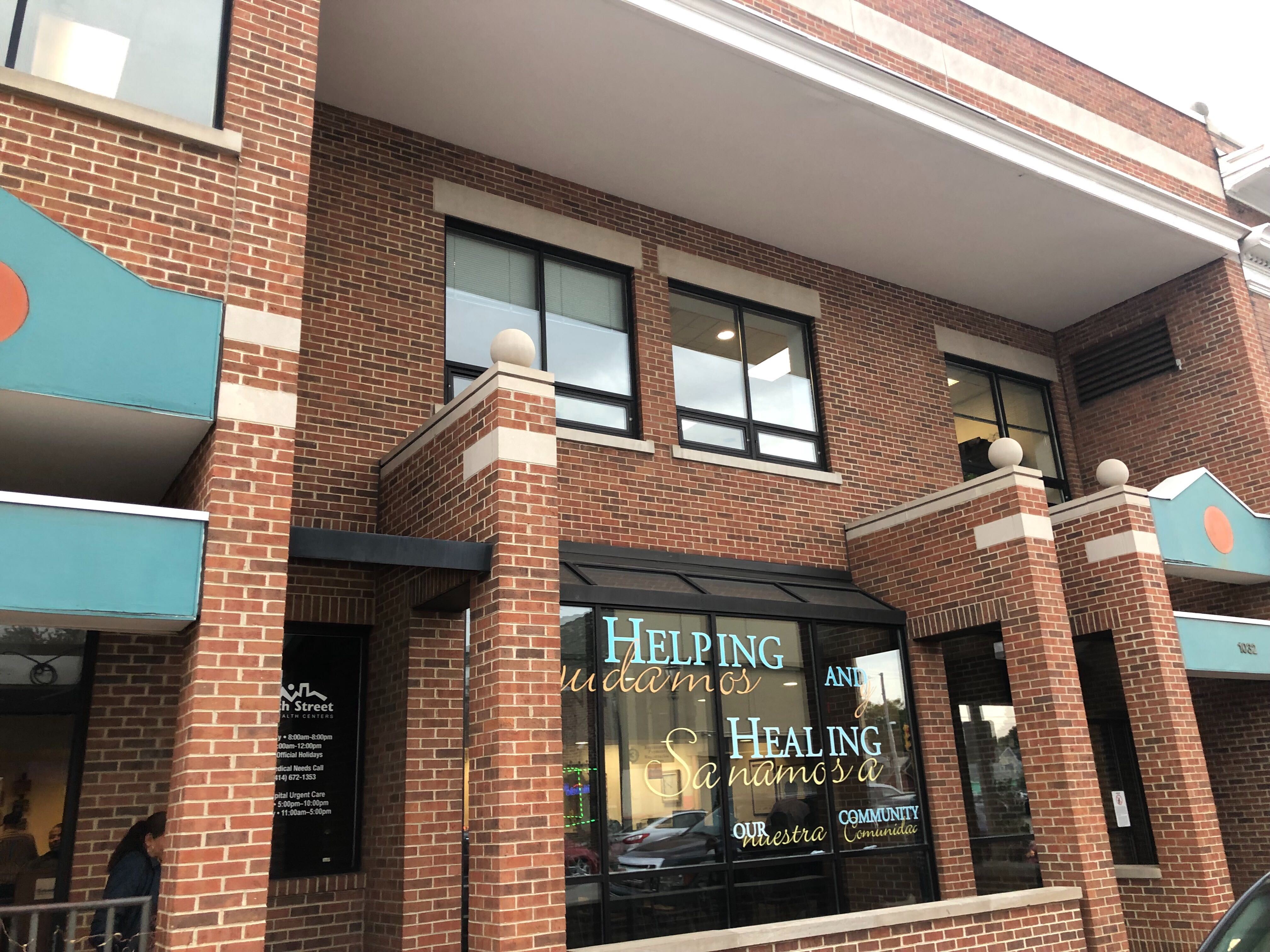
Sixteenth Street Community Health Centers, 1032 S. Cesar E. Chavez Dr. Photo by Jeramey Jannene.
During his 1964 State of the Union Address, President Lyndon B. Johnson declared an unconditional war on poverty. He stated that, “our aim is not only to relieve the symptom of poverty, but to cure it and, above all, to prevent it.” Johnson’s war on poverty sparked the creation of many programs known today, including the beginning of Community Health Centers. He knew that poverty wasn’t just affecting Americans’ pockets, but that limited access to health care lead to a lower quality of health and continued the cycle of poverty.
The first Community Health Centers were started in intercity Boston, Massachusetts and rural Mound Bayou, Mississippi. What began as a demonstration project, now includes more than 1,400 Health Centers that serve 29 million Americans across the country. Community Health Centers provide preventative care, behavioral health and substance use services, dental services, and primary care. Their motto is to serve anyone who walks through their doors, regardless of their ability to pay. Their patients include uninsured and underinsured individuals, migrant seasonal agriculture workers, individuals experiencing homelessness, immigrants, and veterans. In Wisconsin, over one-third of Community Health Center patients are children.
Health Centers are a key player in Congress’ agenda to help close the health care coverage gap in our country. This gap disproportionately affects low-income and communities of color. Health Centers serve as a cost-effective primary health care option for underserved communities. Annually, they help save American taxpayers billions of dollars by providing preventative care that reduces the need for unnecessary hospitalization and emergency room use.
Many Health Centers provide transportation or telehealth services for patients. This means that a busy schedule, disability, or transportation barrier won’t prevent anyone from receiving care. With sliding fee scales, they ensure that health care can be both affordable and accessible.
I am proud of the work that Health Centers in my district: Sixteenth Street Community Health Centers, Progressive Community Health Center, Outreach Community Health Center, Gerald Ignace Indian Health Center, and Milwaukee Health Services, Inc., are doing to help improve health outcomes in Wisconsin’s 4th Congressional District. I have been pleased to partner with them throughout my entire career as an elected official, first in the state and now at the federal level, to break down barriers to health care, especially for the most vulnerable individuals.Now, Community Health Centers are working with individuals disproportionately impacted by COVID-19. Community Health Centers provide COVID-19 testing for community members and are connecting patients to a medical home in order to continue needed care. They continue to work with the state, and local government and public health organizations in order to stand up testing in their communities. Their work serving the most vulnerable continues as COVID-19 exposes health inequities that have long affected communities of color in Milwaukee and around the country.
Despite their efforts to tackle inequities in our communities, many Health Centers are fighting to survive. Health Centers and other health care providers are seeing a loss in revenue as the stay-at-home orders and public health emergencies have forced them to reduce services to only the most urgent needs. Health Centers across the country are forced to reduce their workforce at a time when health care workers are needed most. Temporary or permanent closures of these critical health care sites would be devastating and disrupt trusted relationships between physicians and patients.
We need Community Health Centers now more than ever. These facilities have a long-proven track record of helping the most marginalized in our country achieve better health outcomes. Research has found that Community Health Centers reduce mortality rates for adults 50 years and older, increase primary care usage, and improve health outcomes.
For over fifty years, these facilities have been an important health care access point for the most vulnerable. They are an integral part of our health care system and are helping combat the current pandemic.
I am grateful that Congress has provided some funding to support CHC’s in the coronavirus relief funding bills. However, more is needed, and I will keep pushing to ensure that our Community Health Centers can remain open so they can continue responding to the needs of their communities.
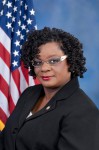
U.S. Congresswoman Gwen Moore represents Wisconsin’s 4th Congressional District.
More about the Coronavirus Pandemic
- Data Wonk: Learning Our Lesson From COVID-19 - Bruce Thompson - Aug 19th, 2026
- Governors Tony Evers, JB Pritzker, Tim Walz, and Gretchen Whitmer Issue a Joint Statement Concerning Reports that Donald Trump Gave Russian Dictator Putin American COVID-19 Supplies - Gov. Tony Evers - Oct 11th, 2024
- MHD Release: Milwaukee Health Department Launches COVID-19 Wastewater Testing Dashboard - City of Milwaukee Health Department - Jan 23rd, 2024
- Milwaukee County Announces New Policies Related to COVID-19 Pandemic - David Crowley - May 9th, 2023
- DHS Details End of Emergency COVID-19 Response - Wisconsin Department of Health Services - Apr 26th, 2023
- Milwaukee Health Department Announces Upcoming Changes to COVID-19 Services - City of Milwaukee Health Department - Mar 17th, 2023
- Fitzgerald Applauds Passage of COVID-19 Origin Act - U.S. Rep. Scott Fitzgerald - Mar 10th, 2023
- DHS Expands Free COVID-19 Testing Program - Wisconsin Department of Health Services - Feb 10th, 2023
- MKE County: COVID-19 Hospitalizations Rising - Graham Kilmer - Jan 16th, 2023
- Not Enough Getting Bivalent Booster Shots, State Health Officials Warn - Gaby Vinick - Dec 26th, 2022
Read more about Coronavirus Pandemic here


Op-Ed
-
Does Wisconsin Really Need New Gas Plants?
 Oct 16th, 2026 by John Imes
-
The Real Cost of Weakening Head Start Standards
 Sep 29th, 2026 by Ruth Schmidt and Jennie Mauer
-
No Need To Pretend; Trump Is On The Ballot
 Sep 20th, 2026 by Bill Christofferson