Friday Photos Friday, 24. December 2010
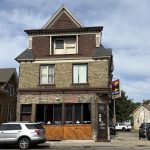
Beerline B Apartments Beerline B Apartments Beerline B Apartments Beerline B Apartments Beerline B Apartments
Dec 24th, 2010 by Friday Photos
Holiday Tales : Twas the Night Before Christmas…
One season, many voices. This Christmas Eve, First Stage Children's Theatre Education Director Julia Magnasco offers a lively reading of a beloved poem.
Dec 24th, 2010 by Third Coast Daily
1913
One cellist and one percussionist comprise the genre-challenging duo 1913, who bring their unique rendition of "God Rest Ye Merry Gentlemen" to TCD and WMSE.
Dec 24th, 2010 by Third Coast Daily
Sky’s the Limit
What would you wish for if money and time were of no consequence? World Peace, exotic travel and canine companions top part two of TCD's Holiday Wish List.
Dec 24th, 2010 by Third Coast Daily
An underwhelming holiday concert
For 25 years, Mannheim Steamroller has been dazzling audiences with the enormous sounds of Christmas -- and that legacy makes for a rather predictable show.
Dec 23rd, 2010 by Rosy Ricks
I’ve been meaning to tell you…
Arty news bits, gathered into a handy package.
Dec 23rd, 2010 by Tom Strini
The Gift of the Magi
One season, many voices. This week, Mark Metcalf reads "The Gift of the Magi," O. Henry's beloved tale of love, sacrifice and the true meaning of Christmas.
Dec 23rd, 2010 by Third Coast Daily
Stas Venglevski
Bayan accordion virtuoso Stas Venglevski offers his rendition of "Away in a Manger."
Dec 23rd, 2010 by Third Coast Daily
The Wealth of Cities by John Norquist – Book Review
Milwaukee's former Mayor, John Norquist, in his book The Wealth of Cities writes up the impacts of U.S. policies on our cities, lays out his foundational beliefs that today form a key plank of the New Urbanism movement, and shares his insight into how he believes cities should be governed.
Dec 22nd, 2010 by Dave Reid
Philomusica Quartet
A beautiful rendition of "Angels We Have Heard on High" by the Philomusica Quartet -- music is their passion, and it shows.
Dec 22nd, 2010 by Third Coast Daily
Cy Twombly’s not-so-simple marks
Some viewers will snip that the marks in Twombly's "Untitled" pieces, like the one in MAM's Contemporary Galleries, are clumsy. They’d be wrong.
Dec 22nd, 2010 by Judith Ann Moriarty
Top 10 Comedic Newsmakers of the Last Decade
From Cheney's infamous hunting trip to bathroom encounters gone awry, Will Durst offers a list of some of the strangest news stories from the last 10 years.
Dec 22nd, 2010 by Will Durst