Pocan Introduces Bill to Make It Easier to Access Lifesaving PrEP
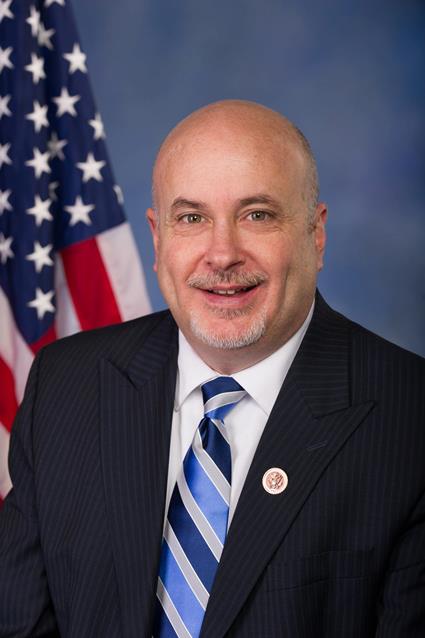
WASHINGTON, D.C. – Today, U.S. Representative Mark Pocan (WI-02), Chair of the HIV/AIDS Caucus, introduced the PrEP Access Act, a bill that would allow Medicare beneficiaries to receive screening of HIV pre-exposure prophylaxis (PrEP) and post-exposure prophylaxis (PEP) services at their pharmacy. Currently, the only way to access PrEP and PEP is through a prescription from a licensed healthcare provider. Taking PrEP reduces the risk of getting HIV from sexual exposure by 99 percent.
“As chair of the Congressional HIV/AIDS Caucus, this bill just makes sense,” Rep. Pocan said. “We’ve made great strides in fighting this disease, but there is still more we can do. Making it easier for people to screen for this disease and access preventive medicine, rather than making folks go through hoops, is the right thing to do. Although prevention tools such as PrEP and PEP have transformed our ability to prevent HIV, access remains uneven and critically underutilized. We should be utilizing all available resources to bring this lifesaving medication to patients, including pharmacies.”“The PrEP Access Act ensures Medicare beneficiaries can receive lifesaving HIV prevention services where and when they need them. States already authorize pharmacists to screen and furnish PrEP and PEP—this legislation guarantees Medicare coverage so patients can receive timely pharmacist-provided care, which can mean the difference between preventing HIV or facing lifelong infection. I commend the leadership of Congressional HIV/AIDS Caucus Chair Rep. Mark Pocan (WI-2) and the other caucus members, and I urge Congress to act now and pass this bill to save lives and help end HIV by 2030,” stated Michael D. Hogue, PharmD, FAPhA, FNAP, FFIP, CEO, American Pharmacists Association (APhA).
Text of the legislation can be found here.
Co-sponsors include: Mark Pocan (WI-02), Joyce Beatty (OH-03), Madeleine Dean (PA-04), Sylvia Garcia (TX-29), Robert Garcia (CA-42), Josh Gottheimer (NJ-05), Eleanor Holmes Norton (DC), Hank Johnson (GA-04), Delia Ramirez (IL-03), Deborah Ross (NC-02), Ritchie Torres (NY-15), and Bonnie Watson Coleman (NJ-12)
Endorsing organizations include: American Pharmacists Association, Advocates for Youth, AIDS United, Association of Nurses in AIDS Care, AVAC, HIV+Hepatitis Policy Institute, International Association of Providers of AIDS Care, NASTAD, NMAC, PrEP4All, RxEACH Initiative, Treatment Action Group, AIDS Alabama, AIDS Foundation Chicago, Birmingham AIDS Outreach, Five Horizons Health Services, The Project of the Quad Cities, and Health Services CenterNOTE: This press release was submitted to Urban Milwaukee and was not written by an Urban Milwaukee writer. While it is believed to be reliable, Urban Milwaukee does not guarantee its accuracy or completeness.
Mentioned in This Press Release


Recent Press Releases by U.S. Rep. Mark Pocan