Why Wisconsin Economists Are Watching Student Loan Bills Closely
Research shows rising payments can drag on housing, entrepreneurship and big-ticket purchases statewide.
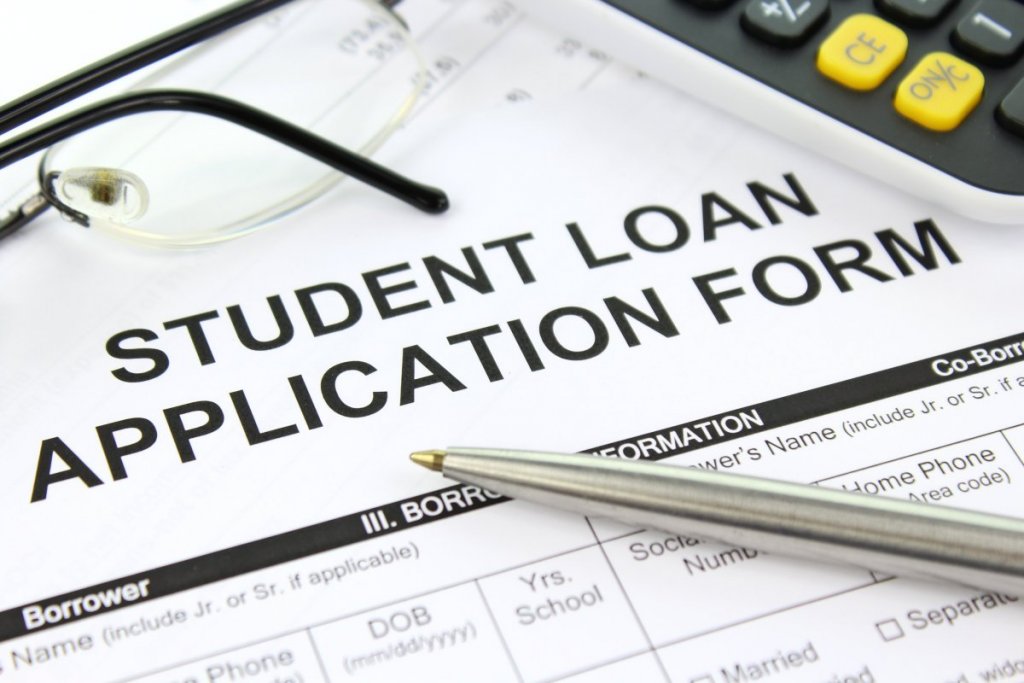
Photo by Nick Youngson via Creative Commons CC BY-SA 3.0
Like thousands of Wisconsin residents, Zack Beckman now has to send a significantly larger check to the federal government every month.
Beckman’s student loan through the Saving on a Valuable Education, or SAVE, plan, was eliminated on July 1.
His payment under that plan was $250 a month — now it’s $733.
Beckman, a special education teacher in Wauwatosa, says once they figure in the hike in his wife’s student loan payments, their total increase will be about $700 to $800 a month — an additional expense he said is comparable to a mortgage payment.
“We’ll be okay, we’ll make adjustments, but we’re just gonna put a lot of discretionary spending on hold,” Beckman said.
Those adjustments include not going on vacation this year, or buying a new car.
“We’re definitely going to be cutting back on a lot of expenses,” Beckman said.
This month, thousands of Wisconsin’s estimated 700,000 federal student loan borrowers are seeing significant changes to their repayment plans as part of President Donald Trump’s “Big Beautiful Bill.”
One of the most significant changes was the elimination of the SAVE plan.
Nearly 1 in 5 Wisconsin borrowers were enrolled in the SAVE plan as of March, according to the Wisconsin Coalition on Student Debt.
The Biden-era student loan repayment plan was the most flexible and generous income-driven repayment plan available. The plan promised expedited loan forgiveness and monthly payments as low as $0 for low-income borrowers.
Ananth Seshadri, co-director of the Center for Research on the Wisconsin Economy at the University of Wisconsin-Madison, said the end of SAVE isn’t necessarily bad. But he said it will affect the economy.
“Student debt forgiveness is popular, and I understand the appeal for squeezed households, but popular isn’t the same as good policy,” Seshadri said. “The benefits flow to college-educated households with higher lifetime earnings, while the costs fall on all taxpayers, including many Wisconsinites without a four-year degree.”
“It does nothing for those who have already repaid or never borrowed, nothing to restrain the cost of college, and it builds an expectation of future forgiveness that distorts borrowing decisions,” Seshardi continued.
Still, Seshardi said there is “remarkably clear evidence” that when people have increased student loan payments, it will have a ripple effect on the broader economy.
In 2023, when student loans repayments restarted after being put on pause during the pandemic, a study by the Federal Reserve found that for every $10,000 in student loan debt, consumer spending dropped by about $630 a year once payments resumed.
For the median borrower, that meant an annual spending cut of $1,590 — or about $130 a month.
“We’re talking about travel, dining, and autos, alongside slower-moving economic drivers like first-time home buying and entrepreneurship,” Seshadri said. “Because this debt is heavily concentrated among 25-to-40-year-olds, the economic drag hits the exact group of young adults who should be driving household formation.”
Beckman graduated from the University of Wisconsin-Madison in 2014. He got his graduate degree in special education from Syracuse University.
When he started his teaching career 11 years ago, Beckman was paid in the mid-$50,000s and had $65,000 student debt.
One saving grace: the federal Public Service Loan Forgiveness (PSLF) program that forgives the remaining balance of student loans for people working full-time in qualifying public service jobs, such as teaching.
Beckman still has two years to go, since his loans were deferred during the first Trump administration and Biden administration when federal student loan payments were paused multiple times before going back into effect in October 2024.
He says the last several years have been stressful and frustrating.
“My main concern was that PSLF was going to go away,” Beckman said. “When you make the decision to go into public service you’re factoring that you’re making less income compared to the private sector. I really hope they don’t renege on that agreement.”
Changes to student loan plans likely to have ripple effect on broader Wisconsin economy was originally published by Wisconsin Public Radio.
If you think stories like this are important, become a member of Urban Milwaukee and help support real, independent journalism. Plus you get some cool added benefits.