Using Game Theory to Solve the Housing Shortage
All the city news you can use.
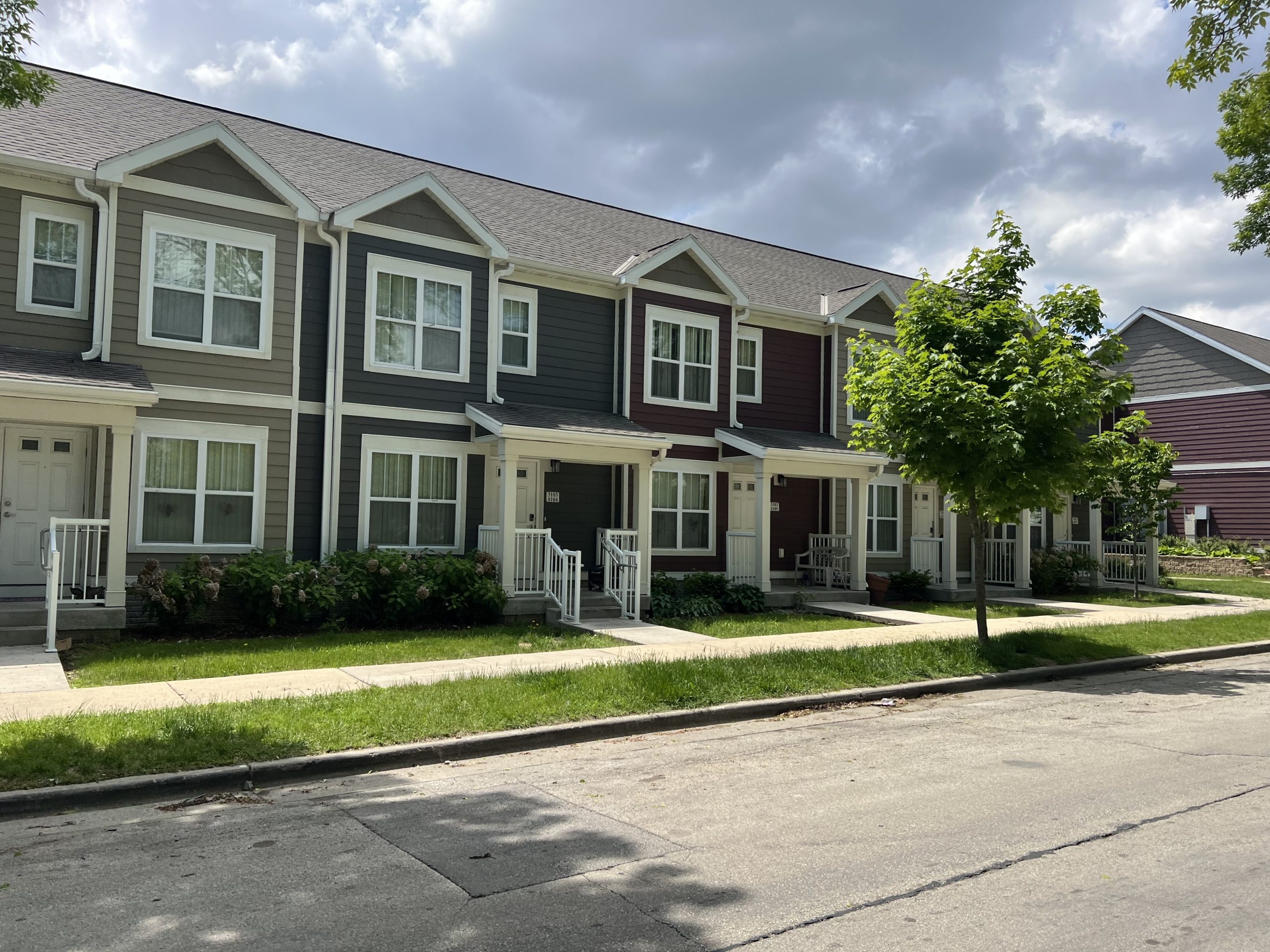
Washington Park Townhomes construction. Photo by Jeramey Jannene.
Every day at The Overhead Wire we sort through over 1,500 news items about cities and share the best ones with our email list. Each week, we take some of the most popular stories and share them with Urban Milwaukee readers. They are national (or international) links, sometimes entertaining and sometimes absurd, but hopefully useful.
BART renting parking lots: BART has introduced an online leasing tool that allows the transit agency to monetize parking spaces through long term leases to local businesses and fleet managers. Since the pandemic, BART has generated $6m in leases for businesses that use underutilized parking assets. Additionally, the spaces can be rented on weekends for community events. Longer term, these underutilized spaces are likely to become housing and commercial development projects that drive more riders to the system. (Metro Magazine)
Disorder in the liberal city: Ryan Puzycki believes that current disorder in cities is due to the extreme “don’t tell me what to do” individualism tolerated more in American society than others. But he also states that perhaps we’re not individualistic enough in that some freedoms are allowed or tolerated at the expense of others when we fail to enforce rules. (Ryan Puzycki | City of Yes)
Converting offices to co-living spaces: Between 1970 and 1980 1 million single room occupancy (SRO) buildings were adapted for other uses, creating a loss of inexpensive housing stock and contributing to the homelessness crisis. To address this shortage, vacant office space that has become less useful because of changing work preferences could be converted to co-living spaces. Housing in job rich areas is expensive, and these less expensive conversions could make that connection for lower income residents. (Alex Horowitz and Tushar Kansal | Pew Research)
Black neighborhoods impacted by climate change: In Atlanta, flood buyouts are pushing black residents out of their neighborhoods while not repairing the harms of doing so. While perhaps good for long term resilience, eminent domain purchases break up neighborhoods and increase housing costs. Atlanta has experienced five hundred year flood events since 2004, but continued unequal treatment is creating more long term problems. (Adam Mahoney | Capital B News)
Mechanism design for positive outcomes: Using game theory, urban planners have been able to create policies that create win-win situations. The idea is called mechanism design, where policies tie together the public interest with self interest. From well designed transfer of development rights programs to the construction of new rail lines in Japan, many of these systems have created successes that many thought impossible under current planning and systems of political power. (HennyGe Wichers | Noema Magazine)
Quote of the Week
I believe the resulting Innerbelt Master Plan is an opportunity for Akron. It is an opportunity for economic growth in a key corridor of our city. It’s an opportunity to bridge divides created by an act of generational inequity. It’s an opportunity for the healing of deep wounds. Out of immense pain can come incredible empowerment and I look at this plan as a guidebook for how that can happen in our community.
-Akron Ohio Mayor Shammas Malik in Signal Akron discussing the next phase of the Innerbelt highway removal plan.
This week on the Talking Headways podcast, we’re joined by Vanessa Cooksey, President and CEO of the Regional Arts Commission of St. Louis and Chris Hansen, Executive Director at Kranzberg Arts Foundation to talk about the Grand Center Arts District.
Want more links to read? Visit The Overhead Wire and signup.
If you think stories like this are important, become a member of Urban Milwaukee and help support real, independent journalism. Plus you get some cool added benefits.


Urban Reads
-
Can School Buses and Waymo Robotaxis Share School Zones?
 Apr 4th, 2026 by Jeff Wood
-
The High Cost of Car Ownership
 Mar 22nd, 2026 by Jeff Wood
-
How Urban Housing Politics are Changing
 Mar 14th, 2026 by Jeff Wood