
Regulators Scale Back Rate Hikes for We Energies, Wisconsin Public Service
'They did some things the PSC has been reluctant to do in the past.'
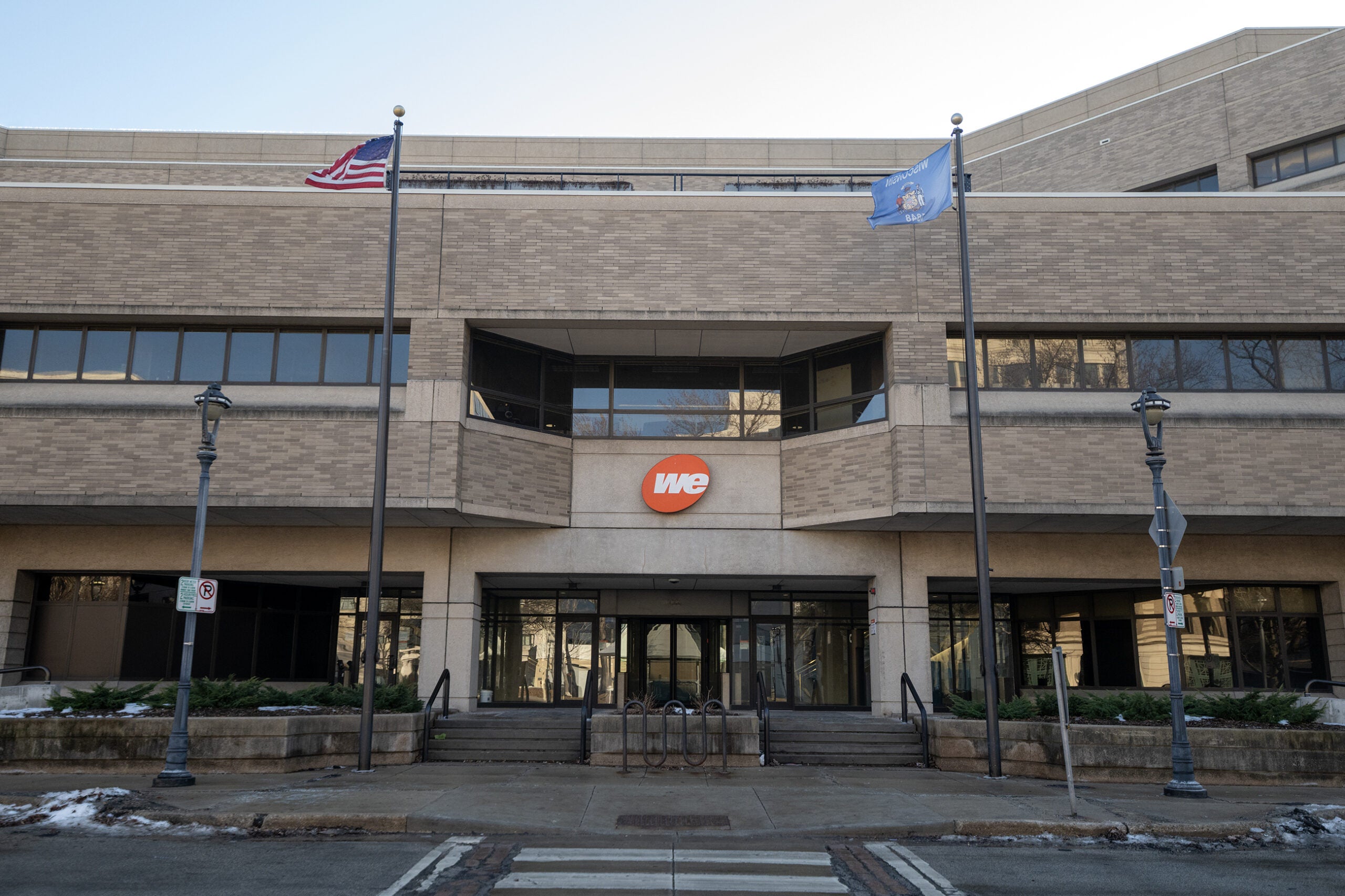
The We Energies office Monday Feb. 16, 2026, in Milwaukee, Wis. Angela Major/WPR
State regulators approved electric rate increases for two of the state’s biggest utility companies on Thursday, but the size of the rate hikes came in lower than the utilities requested.
We Energies and Wisconsin Public Service, both owned by the same parent company, filed applications in April with the state Public Service Commission, asking to increase electric rates in 2027 and 2028.
We Energies had asked for a 4.6 percent increase to base electric rates in 2027 and another 4.5 percent increase in 2028. The PSC reduced the size of the hike to 3.9 percent in 2027 and 3.5 percent in 2028.
Had regulators approved We Energies’ full request, consumer advocates say it would’ve translated into a 16 percent increase for residential customers over two years.
For We Energies’ sister company, Wisconsin Public Service, regulators approved a 0.3 percent electric rate increase in 2027 and a 2.9 percent increase 2028.
A typical We Energies residential customer is expected to see their monthly electric bill rise by around $7 to $8 in 2027 and $6 to $7 in 2028, while a typical WPS residential customer will see their bill increase by around $1 or less next year and $5 to $6 the following year.
That’s according to estimates provided by WEC Energy Group, the parent company of We Energies and WPS.
Representatives for consumer and environmental groups said they appreciated the commission for reducing the price hikes but some still felt regulators didn’t go far enough after years of rate increases.
Tom Content, executive director of the Citizens Utility Board of Wisconsin, said regulators sent a message to utilities that “costs are going to be scrutinized more carefully because affordability is front and center,” though he said they could’ve gone even further.
“They did some things that the PSC has been reluctant to do in the past in the name of affordability,” Content said. “I think we saw some significant steps forward in oversight and accountability and affordability for utility customers.”
Brendan Conway, a spokesperson for WEC Energy Group said the commission’s approval allows the company to invest in new energy generation and to continue tree trimming and burying powerlines to reduce outages.
“We recognize our responsibility to continue providing safe and reliable energy, while keeping customer bills as low as possible,” Conway said in a statement. “During this months-long process we worked with customer groups and Commission staff to reduce costs to customers by tens of millions of dollars.”
He added that the PSC actions on Thursday also ensure “no costs to serve data centers are shifted to other customers.”
Customers feel pinched after years of hikes
The rate hikes come after customers of both utilities saw double-digit increases phased in over the previous four years.
A typical residential We Energies customer’s bill increased by 33 percent from 2022 to 2026, according to the Citizens Utility Board of Wisconsin. Statewide, regulators say energy bills have risen 24.6 percent since 2020.
We Energies also had the third-highest residential electric rates in the Midwest among investor-owned utilities in 2025, while WPS had the 18th-highest out of 52 utilities, according to data compiled by consulting firm Brubaker & Associates.
Those costs have taken their toll on We Energies customers, many of whom testified against the company’s rate hike during a nearly three-hour public hearing in September.
Small business owner Lisa Geason-Bauer spoke at the hearing, saying rising electricity costs have made it difficult to grow her company.
“Since 2020, we’ve had five rate increases. This will be the sixth rate increase, and we can’t do it anymore,” Geason-Bauer told the PSC. “The residents of We Energies territory really are feeling the pinch of all of these increases and it makes it very untenable for businesses to grow.”
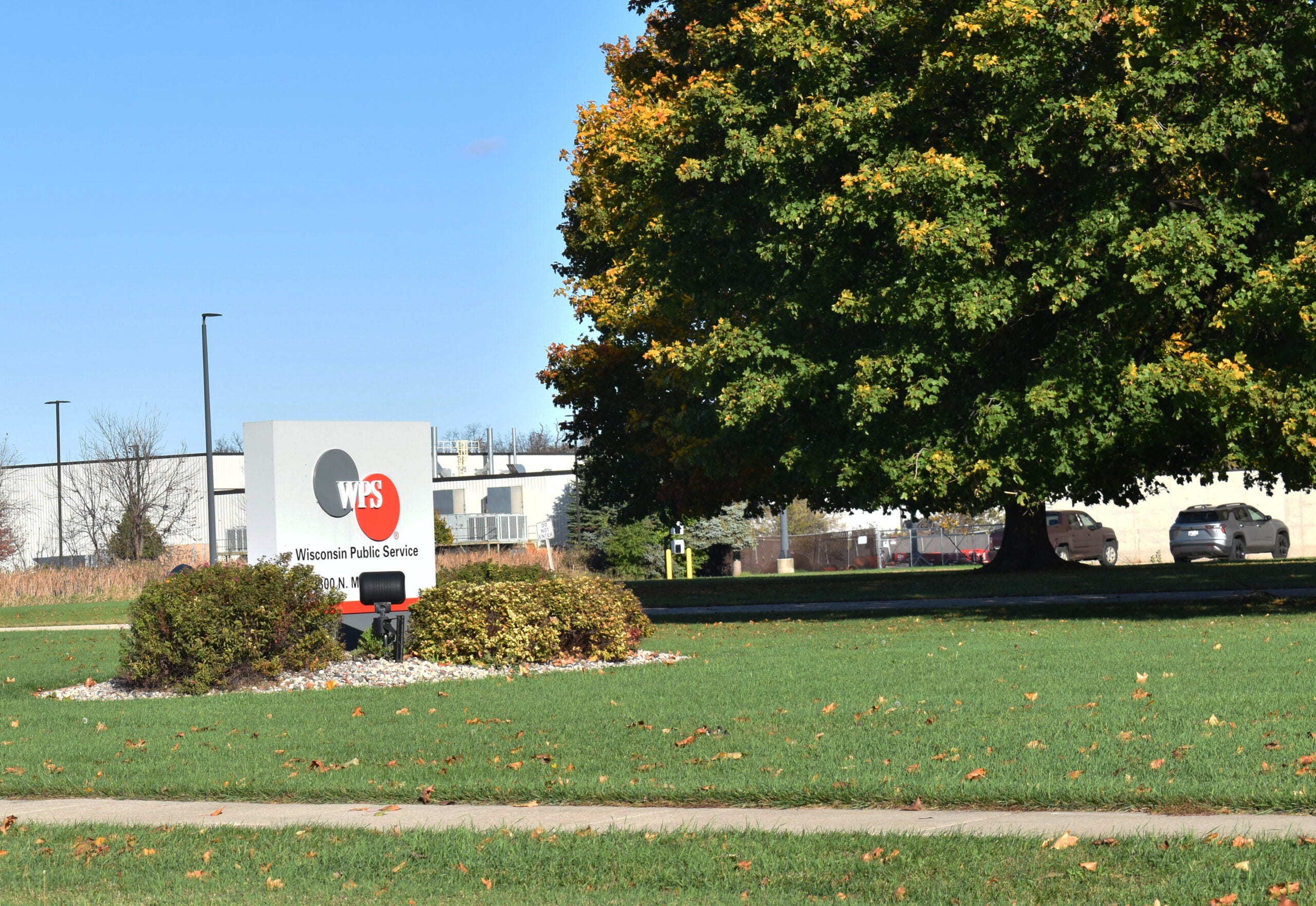
A Wisconsin Public Service sign is seen outside of a Wisconsin Public Service building on North Main Street in Oshkosh on Nov. 6, 2026. Joe Schulz/WPR
PSC commissioners roll back rate proposals to boost affordability
Throughout Thursday’s meeting, commissioners acknowledged growing affordability concerns after years of rising utility bills.
“We heard you loud and clear that utility rates are too high, and that your monthly bills are already a financial burden,” said PSC Chair Summer Strand.
PSC Commissioner Kristy Nieto said We Energies is one of the nation’s most profitable utilities, with rates among the highest in the Midwest and many of its customers facing some of the greatest energy burdens in the state.
Nieto said affordability concerns are not limited to low-income customers, with more moderate income Wisconsinites also struggling to keep up with costs. She said the commission has seen an increase in disconnections and arrears.
She said the commission’s job “is not to simply approve what a utility says it needs.”
“Rates cannot be so high that they become unjust or oppressive to consumers,” Nieto said. “The standard is not to maximize the utility’s return. … It is to reach an overall just and reasonable result based on the record before us.”
The commission did take steps to try to protect customers. They opted to reduce the profit rate for both We Energies and WPS from 9.8 percent to 9.5 percent. The utilities had asked for a bump to 9.9 percent, which would’ve boosted the profits they make on capital investments.
“Customers are going to see a lot of savings on just the profits for both utilities,” Content said.
The PSC also eliminated WEC Energy Group board of director expenses from being included in customer rates. The Energy and Policy Institute think tank says the move will save We Energies customers more than $2.4 million per year.
Content said ratepayers have been covering those board of directors costs for years and his organization only began advocating around that issue a couple of years ago.
“The utility’s own proxy statement that they send out to shareholders shows that the board of directors exists to serve the shareholders, so there’s no way customers should be paying that,” he said. “The PSC decided that was correct.”
Content also said the PSC took action that will level out the payments the utilities have to make on retired coal plants, including coal units in Oak Creek set to retire in 2027. He said the actions related to coal plants could save customers millions of dollars in the coming years.
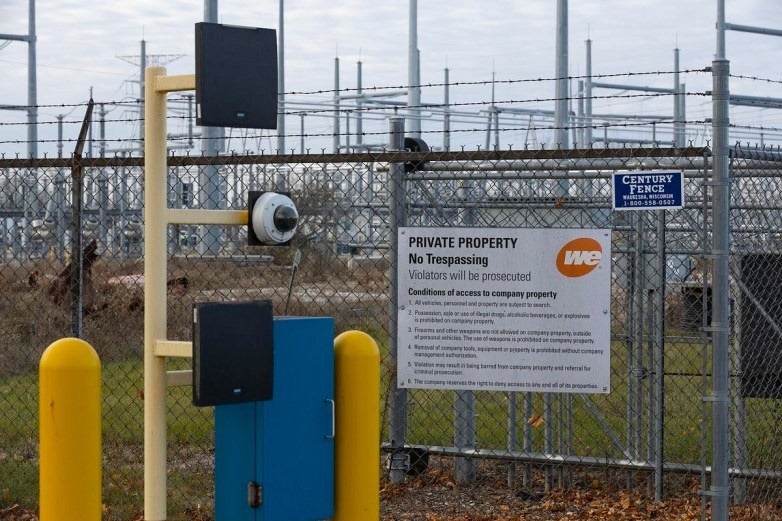
Barbed wire fence surrounds the former site of the We Energies Power Plant on Nov. 13, 2025, in Pleasant Prairie, Wis. Joe Timmerman/Wisconsin Watch
Commission chair says PSC needs more tools to meet surging demand, protect affordability
This year’s rate cases have also come as utilities — including We Energies — have been rushing to meet an expected 40 percent spike in energy demand by 2032, fueled by data centers under construction in Wisconsin, by proposing and building new power plants.
Strand said the state’s utility regulatory framework may not be adequate to meet the moment.
She said state law is “outdated” and doesn’t give the commission enough tools to adequately plan for needed energy generation and sufficiently protect customers.
“The time to mobilize, organize and advocate for substantive changes to the PSC’s legal framework is now,” she said. “We three commissioners and the PSC proper have repeatedly and publicly critiqued the existing framework, highlighting gaps and insufficiencies, lamenting the lack of tools and teeth.”
Content said the PSC had some leeway to go further on its own in the rate cases to help We Energies and WPS customers save money.
But he also said the agency’s hands are tied by the Legislature in many ways.
“They could be allowed to go further if the Legislature gives them more tools,” Content said. “That’s going to be something to focus on in the years ahead: What can the legislature do to help make sure there’s accountability, affordability and better planning for our utilities?”
The PSC is expected to issue its written order on the rate cases in a few weeks, which will include the final rates.
Regulators approve scaled-back rate hikes for We Energies, Wisconsin Public Service was originally published by Wisconsin Public Radio.
If you think stories like this are important, become a member of Urban Milwaukee and help support real, independent journalism. Plus you get some cool added benefits.