
Brendan Dassey May Test Limits of Wisconsin Commutations Process
Dassey, given life imprisonment at age 17, was featured in Netflix show, 'Making a Murderer.'
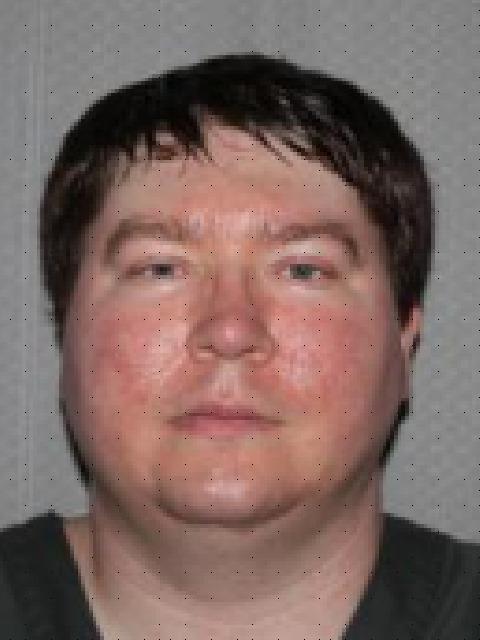
Brendan Dassey is pictured in November 2024. He was 17 when he was sentenced to life in prison for being party to the 2005 murder of 25-year-old Teresa Halbach in northeast Wisconsin. Photo courtesy of the Wisconsin Department of Corrections
Brendan Dassey will appear before a state board next month as part of a request for his sentence to be reduced.
Dassey was 17 when he was sentenced to life in prison for being party to the 2005 murder of 25-year-old Teresa Halbach in northeast Wisconsin. Jurors also convicted him of being party to sexual assault and to mutilation of a corpse.
Dassey gained international attention when he was featured prominently in the 2015 Netflix documentary “Making a Murderer.”
Dassey’s attempts to overturn his original conviction have been unsuccessful. Now, he’s asking the governor for a commutation that would cut short his sentence. In doing so, his case highlights the limits of Wisconsin’s commutation process.
What are commutations?
Under the Wisconsin Constitution, the governor has the power to cut short someone’s time in prison, or their time on community supervision, by granting commutations. For decades, that power sat untouched in Wisconsin. Earlier this year, however, outgoing Democratic Gov. Tony Evers issued executive orders aimed at restarting commutations in Wisconsin.
So far, hundreds of people have applied for commutations under the new process. As of mid-November, Evers has granted a total of 14 commutations.
Dassey applied for a commutation under a process created by Evers for people serving Juvenile Life Sentences. That’s available to people who were convicted when they were 19 or younger after being tried as an adult.
Under Evers’ criteria, those applicants need to have served as least 20 years of a their life sentences. Dassey is now 37 and has spent just over 20 years behind bars.
Does Dassey maintain his innocence?
Dassey has intellectual disabilities. His attorneys have argued he was wrongfully convicted after he police coerced him into giving false confessions when Dassey was 16 years old.
As part of his handwritten commutation application, Dassey responded to a question about “what happened and why you committed the crime(s).”
In that answer, Dassey denied harming Halbach. But Dassey admitted he helped his uncle, Steven Avery, with putting items on a bonfire and with cleaning up his garage. Dassey suggested he may have unknowingly helped Avery clean up evidence.“I don’t know anything about what happened to Teresa Halbach,” Dassey wrote. “Now I’m older part of me think it’s possible that Steven might have been involved because of how he treated women.”
Dassey added, “If I get out, I want nothing to do with Steven ever again.”
In submitting that answer, Dassey was “trying to walk” a complicated line, said John Gross, a criminal defense attorney who has not been involved in Dassey’s case. He says Dassey’s chances of a commutation may well be harmed because Dassey is maintaining his innocence.
“Claims of innocence don’t always resonate with a parole board or a commutation board because they’re looking for someone to accept responsibility,” Gross said.
What will the Commutation Advisory Board consider?
Under an executive order from Evers, the Commutations Advisory Board is supposed to consider several factors when deciding whether to recommend a commutation. They include:
- The impact of a JLS (juvenile life sentence) commutation on victims, survivors, and community members
- Whether a JLS commutation is consistent with public safety and in the interests of justice
- An applicant’s prison conduct record
- An applicant’s personal growth and development since conviction, including the completion of rehabilitative programs, treatment, education and work history during their incarceration
Some board members may conclude “personal growth” involves taking responsibility for the crime, Gross said.
“I think it’s going to be challenging for a board to look at this and try to separate out this idea that there’s personal growth when the person is still saying, ‘I didn’t do it,’” Gross said of Dassey’s application.
Laura Nirider, one of Dassey’s post-conviction attorneys, declined to comment on his commutation application.
Avery has a separate legal team. He also has maintained his innocence. Avery, now 64, is serving a life sentence for Halbach’s murder.
Avery submitted a commutation application in September, but so far his request has not been granted a hearing.
What will happen during the commutation hearing?
The Commutation Advisory Board is set to interview Dassey and seven other applicants during a live-streamed public meeting on Dec. 11.
During those commutation hearings, family members of victims have the chance to speak directly to board members. They also have the option to submit written statements, which are read aloud by the board’s chair.
The board is expected to break into closed-session for deliberations before it makes a recommendation to Evers. Ultimately, the decision about whether to commute Dassey’s sentence lies with the governor.Ken Kratz, the special prosecutor who oversaw Avery’s prosecution in Manitowoc County, has expressed his strong opposition to commutations involving Halbach’s murder. Kratz, the former Calumet County district attorney, also served as co-counsel in Dassey’s prosecution.
“Don’t allow Brendan Dassey to become the Governor’s ‘poster child’ for his sneaking-out-the-door commutations,” Kratz posted on social media, shortly after Dassey’s hearing was scheduled.
Kratz wrote that, if Evers’ did grant Dassey’s commutation, it would be “slapping” the faces of the “families, the DA’s, the cops, the jury, the judges, and the appellate courts who have lived this nightmare for 20 years.”
Wisconsin’s Department of Justice will submit a formal response to Dassey’s commutation request, since that agency is now handling the case, Calumet County’s current District Attorney Nathan Haberman said.
Nonetheless Haberman told WPR he opposes the request, and believes it should not have been scheduled for a hearing.
“Court are in the best position to determine an appropriate sentence,” Haberman wrote in an email. “Second guessing by a less informed Commutation Advisory Board is not necessary nor appropriate in this case.
The commutations process has led to the “repoening of wounds inflicted by this defendant,” and re-traumatizing victims, Haberman added.
“The defendant should not be given a second chance, Ms. Halbach never got one,” he wrote.
What efforts have Dassey’s attorneys made to overturn his conviction?
In 2009, Dassey’s attorneys asked for another trial. That request was denied by Manitowoc Circuit Court Judge Jerome Fox, and the Wisconsin Court of Appeals later upheld that denial.
Following the release of “Making a Murderer” in 2015, attorneys for Dassey filed a writ of habeas corpus, arguing he should be retried or released from prison. They contended Dassey’s constitutional rights had been violated because his confession was coerced and his initial legal team was ineffective.
In response, a federal magistrate judge ruled that Dassey’s confession had been coerced. But, in a 4-3 ruling, the full 7th U.S. Circuit Court of Appeals eventually found the confession had been properly obtained, and upheld Dassey’s conviction. Dassey’s legal team asked the U.S. Supreme Court to take up the issue, but it declined to do so.
Unlike those other legal maneuvers, commutations were not created as a way to overturn someone’s conviction or cast doubt on their guilt, Gross said. Rather, he says commutations are a special privilege given to the governor as a “check on excessive punishment.”
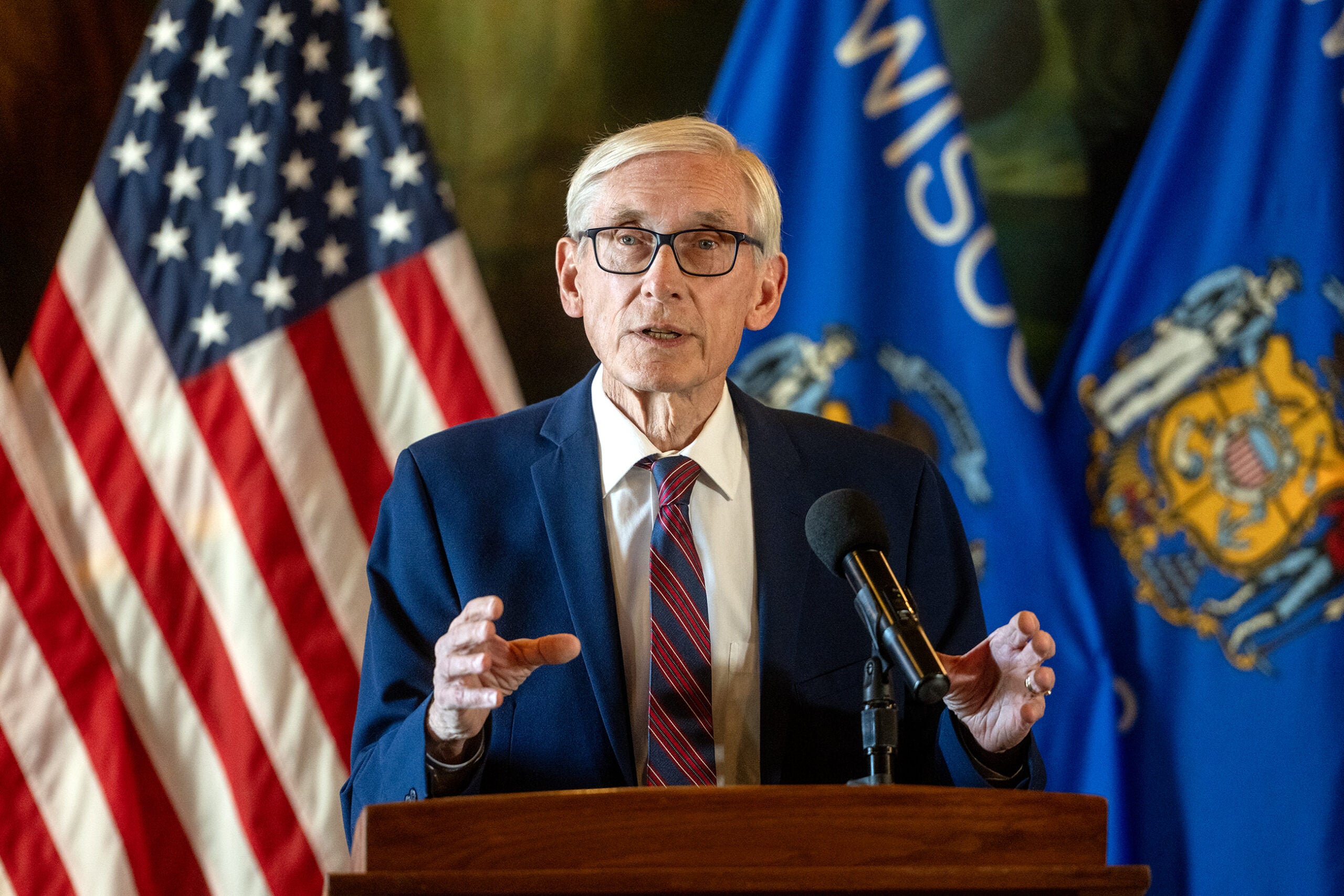
Gov. Tony Evers speaks to the press Monday, Jan. 12, 2026, at the Wisconsin State Capitol in Madison, Wis. Angela Major/WPR
That’s part of why, when Evers announced the resumption of the commutation process this spring, he said he would prioritize people who were sentenced as juveniles.
“We know a lot more about brain development than we did decades ago,” Evers said at the time.” Folks may have been susceptible to peer pressure, had poor decision making skills and didn’t understand the consequences of their actions when they were kids.”
In 2019, Dassey asked Evers for a commutation, although no formal commutations process was in place at the time.Dassey made that request as part of a pardon application submitted to Evers. Under Evers’ criteria, however, Dassey was not and still is not eligible for a pardon. The governor has made pardons available to people only when it’s been at least five years since they finished serving their sentences. Pardons don’t reduce the amount of time serves behind bars. Rather, they restore certain rights and privileges, like the ability to own or firearm or get certain professional licenses.
Evers leaves office in January. His successor, Democrat David Crowley, has praised Evers for restarting commutations. At the same time, when he was campaigning this fall, Crowley promised he would not support commutations for anyone convicted of “murder or other violent crimes.”
Brendan Dassey request tests limits of Wisconsin commutations process was originally published by Wisconsin Public Radio.
If you think stories like this are important, become a member of Urban Milwaukee and help support real, independent journalism. Plus you get some cool added benefits.
Political Contributions Tracker
Displaying political contributions between people mentioned in this story. Learn more.