Measles Outbreak Tests Vaccine Attitudes In Rural Southwest Wisconsin
As cases climb, parents, doctors and parents weigh risks, rights and misinformation.
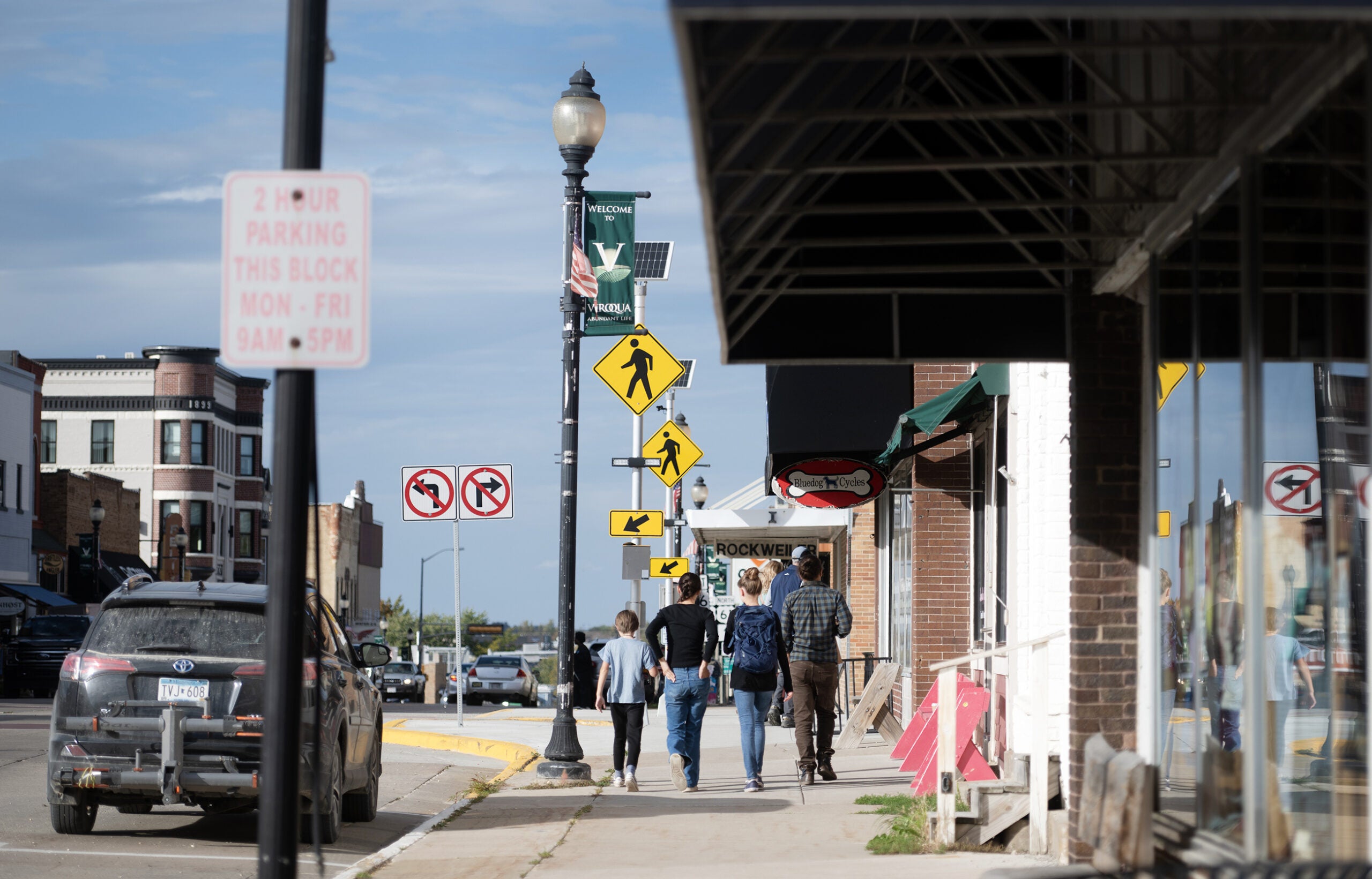
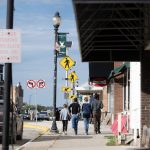
Pedestrians walk through downtown Viroqua, Wis., on Tuesday, Oct. 6, 2026. Angela Major/WPR
Tattoo Zuzu sits on Viroqua’s busy Main Street, with an eclectic mix of art and thrifted treasures filling the front of the shop.
The name is in honor of owner Audra Grosz’s 5-year-old daughter, a nickname Grosz’s mother loved from “It’s a Wonderful Life.”
Her daughter was a big part of why Grosz and her husband moved from Madison to Viroqua four and a half years ago. She said they were looking for the slower pace of life that comes with living in a city of 4,500 people, and she now appreciates how her neighbors help each other and support local businesses.
The tight-knit community is also located in one of the southwestern Wisconsin counties experiencing an outbreak of measles since early August. There have been 240 cases in the outbreak so far across Grant, Iowa, Lafayette and Vernon counties.
Wisconsin now has the fourth-highest number of cases of the highly contagious and potentially deadly disease in the country, according to the latest data from the Centers for Disease Control and Prevention.
Vernon County, where Viroqua is located, has by far the lowest rate of vaccinations against measles in the state. Only 42 percent of 2-year-olds had the shot last year, according to data from the Wisconsin Department of Health Services.
By comparison, just under 80 percent of all Wisconsin 2-year-olds were vaccinated last year. But that’s still well below the 95 percent that health experts say is needed to keep the virus from spreading.
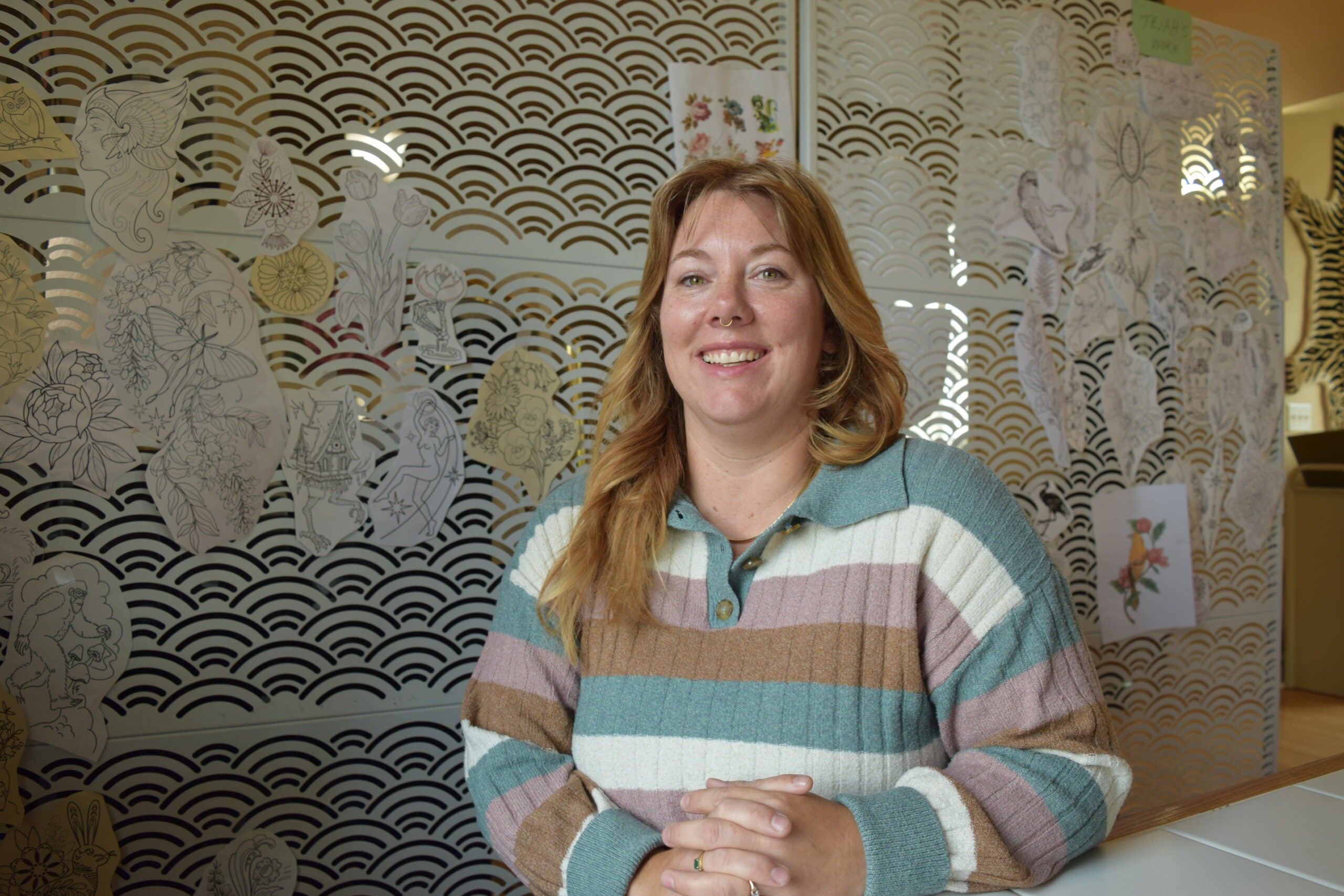
Audra Grosz, owner of Tattoo Zuzu in Viroqua, said she’s unsurprised Vernon County has the lowest measles vaccination rate in the state, given the diverse views on vaccines among her neighbors Hope Kirwan/WPR
Grosz said the city and surrounding county is home to an eclectic mix of people — many of whom harbor skepticism about childhood vaccinations, though for different reasons.
“It’s kind of a mix of Amish, Libertarian, secular communities, MAHA,” she said, referencing the “Make America Healthy Again” slogan used by federal Health Secretary Robert F. Kennedy Jr. “Everyone’s here. A bunch of hippies and a bunch of farmers.”
Residents of the measles-affected counties told WPR that life has largely carried on like normal in recent weeks, and that people aren’t likely to talk about the outbreak outside of their own like-minded circle.
But views on vaccines, even among insular groups like the Amish, are far from black and white. Health officials say there’s new interest in getting the measles, mumps and rubella, or MMR, vaccine, which they hope can help end the outbreak before it leads to a patient’s death.
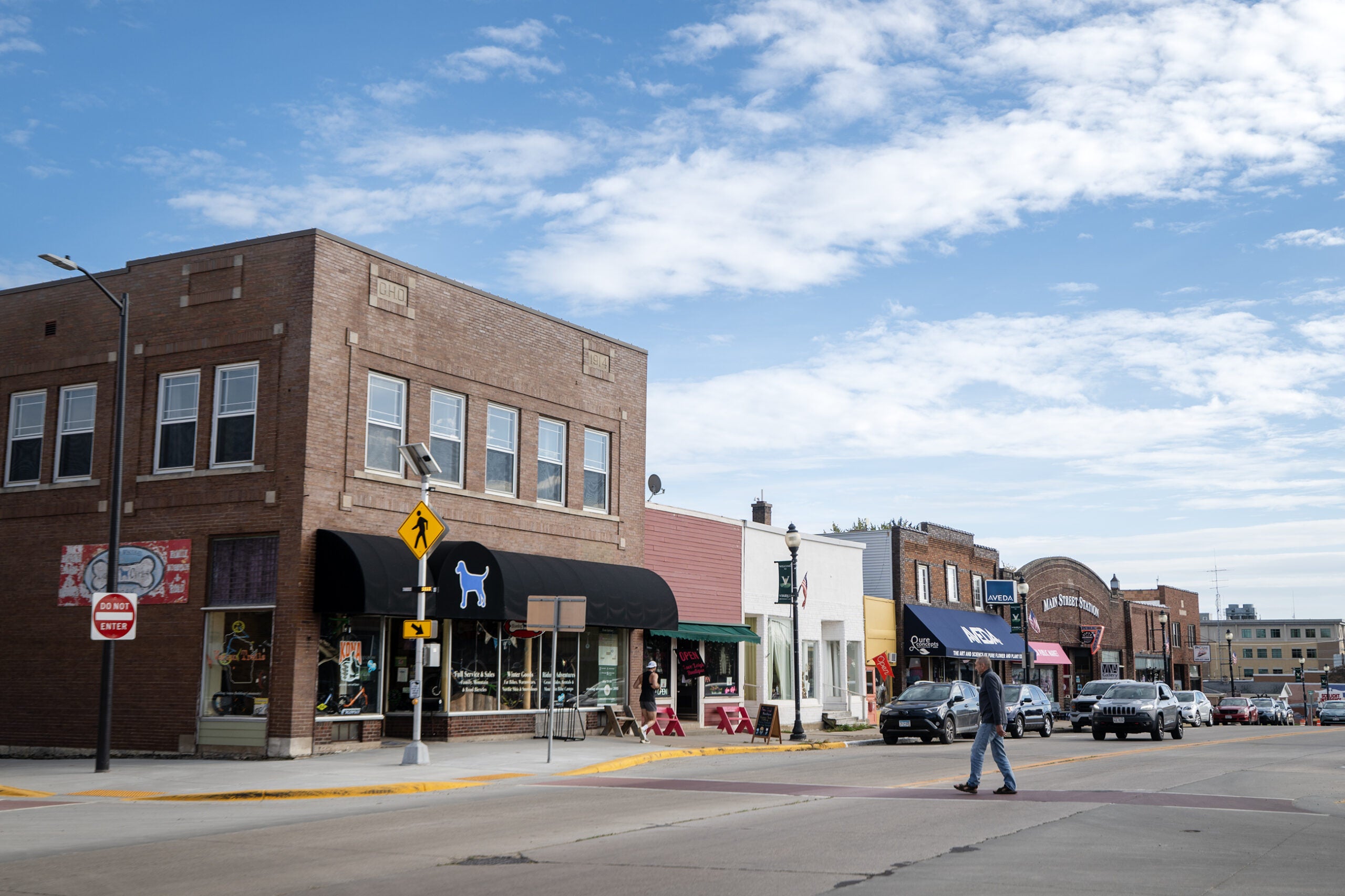
A pedestrian walks through downtown Viroqua, Wis., on Tuesday, Oct. 6, 2026. Angela Major/WPR
Vaccine choice, but at a cost
The decision to get her daughter vaccinated was a “no-brainer” for Grosz and her husband, she said. The state’s vaccination requirements were also a big reason they chose to enroll their daughter in the public school system instead of the local private school.
“In the wake of COVID, there needs to be some sort of ‘keep everyone safe’ policy,” she said.
But an increasing number of families are opting out of Wisconsin’s student vaccination using waivers for religious beliefs and personal convictions.
State data shows 6.5 percent of students across Wisconsin had a personal conviction waiver for one or more vaccines last school year, a record high that follows a steady increase for several decades.
Just over 1 percent of students had a waiver for religious beliefs, a category that has seen a much slower increase in the past five years.
Viroqua resident Lori Dehlin said she remembers signing the vaccination waivers for her five daughters, all of whom are now in their 20s.
Dehlin said she had all of her children get the standard childhood shots, including MMR, though not on the state-required timeline. But she did not feel comfortable with newer shots like the one for the human papillomavirus, or HPV, which came out in 2006.
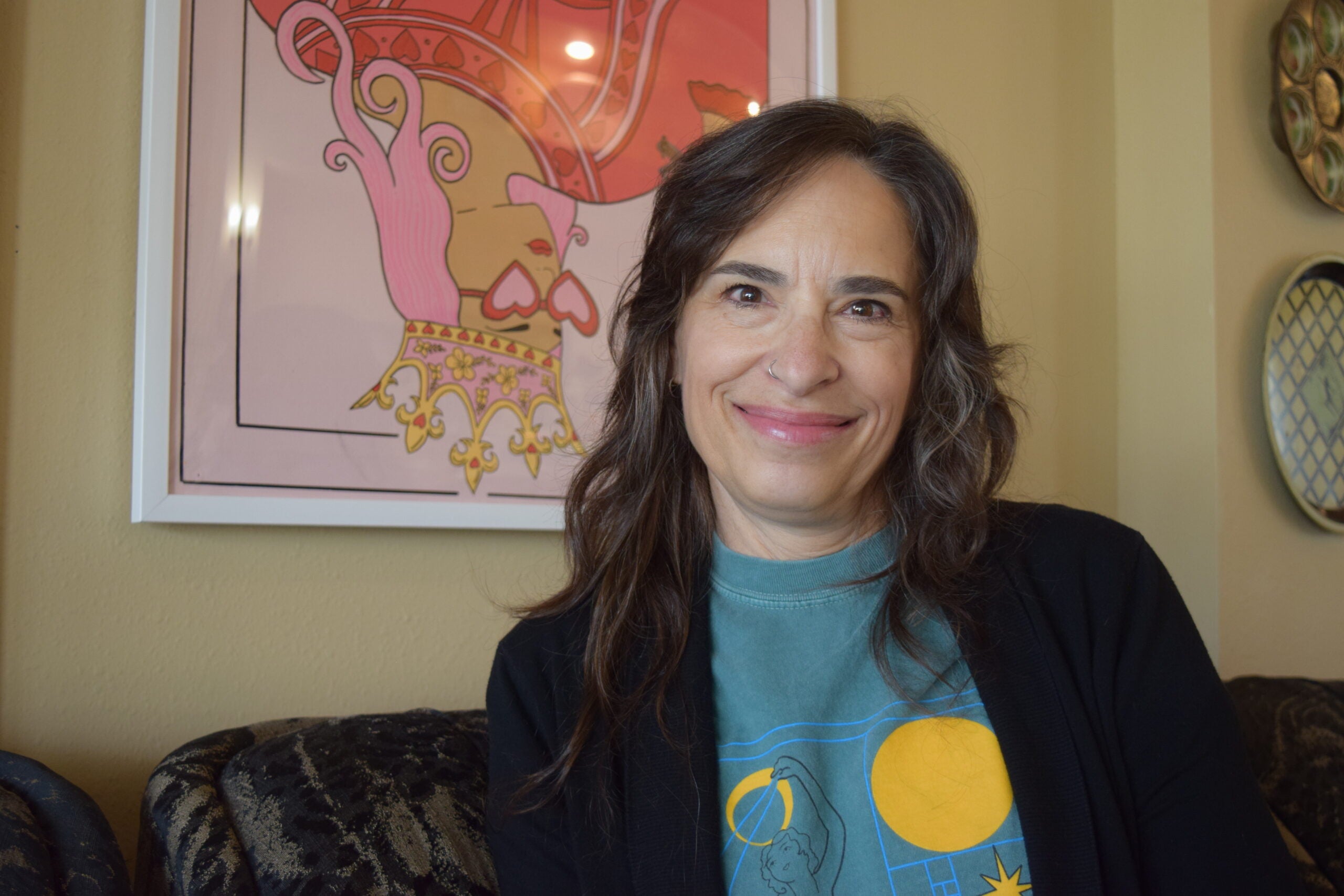
Lori Dehlin from Viroqua said she thinks it’s a good thing that parents feel they have a choice in which vaccines their child gets. Hope Kirwan/WPR
As new vaccines have become available in recent years, Dehlin said she often questions how much she needs another shot and whether it’s been around long enough to know long-term health impacts.
“Maybe that is why parents are questioning things more, because they’re throwing so much at you,” she said.
Dehlin thinks parents should be able to make their own choices about which vaccinations their children should get.
But she also acknowledged people’s choices have contributed to the resurgence of diseases like measles, which was declared eliminated in the U.S. in 2000.
If the highly contagious virus continues to spread, Dehlin said she hopes parents will differentiate MMR from newer shots, especially given its more than 50 years of use.
“It’s gone through a whole generation, practically, so to me, it’s safe,” Dehlin said. “I’ve made it to being a grandmother, and I’m still OK from getting the measles vaccine.”
The combination measles, mumps and rubella vaccine is “very safe” according to the Centers for Disease Control and Prevention. Serious reactions to the shot are extremely rare, and the CDC emphasizes on its website that getting the vaccine is much safer than contracting measles, especially for children under age 5. Serious complications from measles can include pneumonia, swelling of the brain and even death.
Despite these assurances, skepticism about the vaccine persists. Charles Angell, another Viroqua resident, said he knows parents in the community who have chosen not to have their children vaccinated against measles.
Angell said the MMR vaccine and other shots like polio have years of evidence and studies to back them up. But he thinks the total number of vaccines now recommended for kids is “pretty excessive.”
“Do we really understand what we’re doing to our bodies over the course of the long-term by exposing us to those kind of external influences?” Angell questioned, adding that he’s not convinced by the safety assurances made by federal agencies and national medical organizations.
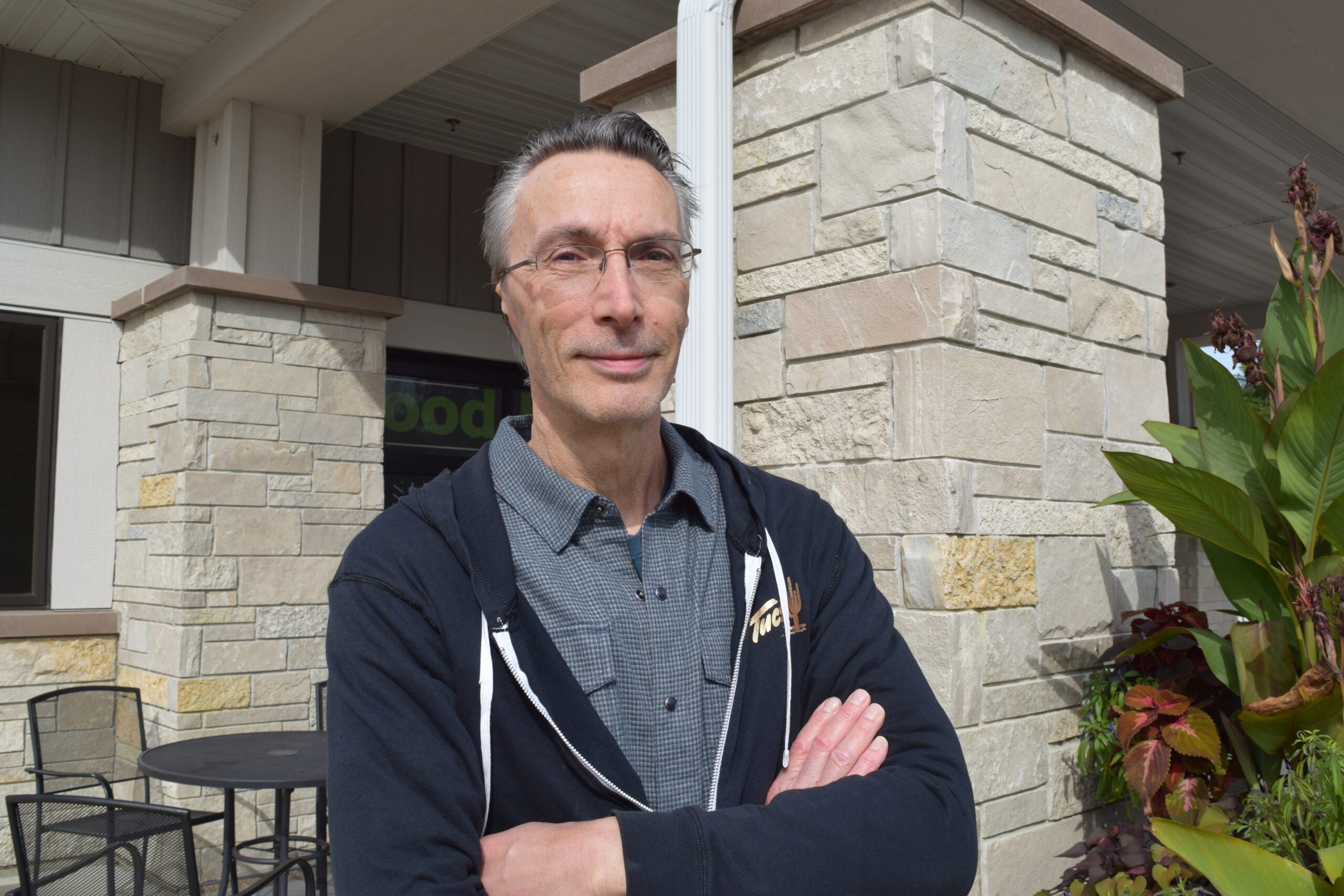
Viroqua resident Charles Angell said he worries about the long-term impacts of adopting a variety of vaccines as part of routine health care. Hope Kirwan/WPR
Outbreak inspires some to get the shot
The recent outbreak may be changing some residents’ minds about vaccination.
Wisconsin Immunization Program Manager Stephanie Schauer told reporters during a recent press conference that local health departments in the measles-affected counties have seen new interest in the MMR vaccine from people who had previously skipped the shot.
Sitting in a waiting room at Upland Hills Hospital in Dodgeville, Dr. Sarah Fox said she has also seen more parents who have previously been hesitant about vaccinations getting the shot for their children. Dodgeville is the county seat of Iowa County, where 74 cases in the outbreak have been confirmed.
For some patients, Fox thinks measles hasn’t felt like an immediate risk, even as outbreaks have popped up in other states. She said other parents have pushed back on the MMR shot because of misinformation.
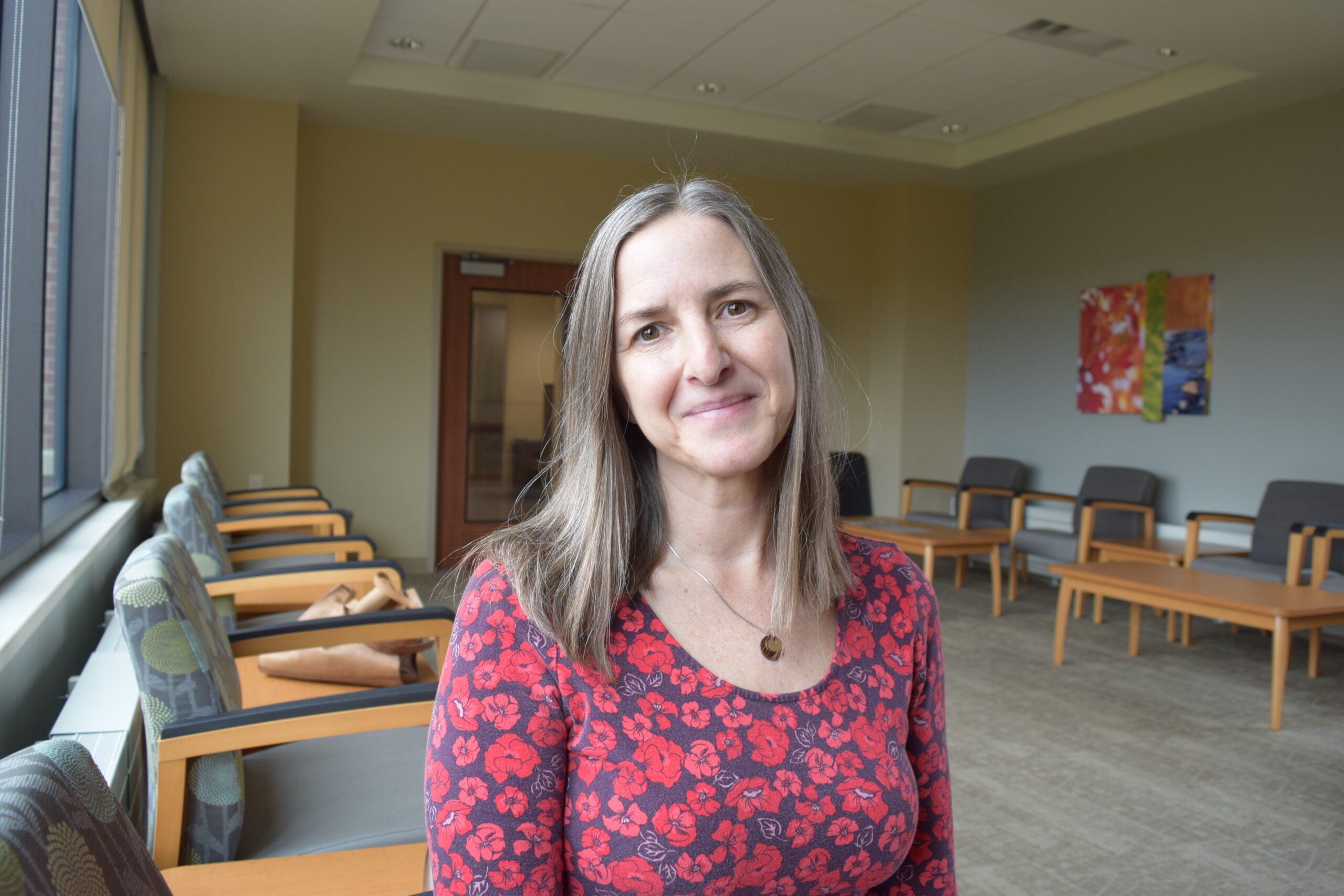
Dr. Sarah Fox, family medicine provider for Upland Hills Health, said the measles outbreak has prompted patients who have previously been hesitant to get the shot. Hope Kirwan/WPR
“There was some false information that was out about it for many years,” said Fox, who is a family medicine provider. “I’m really not hearing that at this point. I think that the vast majority of my patients are getting vaccinated against MMR, and a lot of parents are actually looking forward to the day when their child is old enough to get that vaccine.”
This false information about the MMR vaccine has not only been spread online but also by the HHS secretary himself.
Before his 2024 presidential campaign, Kennedy spent years as the leader of an anti-vaccine group that made false claims and promoted skepticism about vaccines’ safety. In a podcast interview during that campaign, he said there is “no vaccine that is … safe and effective,” something he later falsely denied saying. After becoming part of the Trump administration, in media interviews during the 2025 measles outbreak in Texas, he falsely claimed the MMR vaccine contains “a lot of aborted fetus debris and DNA particles.”
This claim likely comes from the fact that the rubella portion of the vaccine is developed by growing the virus in fetal cells that originated from two elective abortions in the early 1960s. The virus is then purified to ensure no DNA or cellular debris remain before being manufactured into a vaccine.
Questions surround Plain communities
When a handful of cases was first found in Iowa and Lafayette counties in August, Fox said she knew measles would “spread like wildfire.” She immediately started making plans about how her primary care clinic would communicate with the local health department and field an influx of patient calls.
The measles virus is highly contagious, and nine out of 10 unprotected people who are exposed will become infected, according to the Centers for Disease Control and Prevention.
In addition to infants who are too young to be vaccinated, Fox said she was most concerned about community groups in the area that have little to no vaccination coverage.
Due to patient privacy, public health officials have not shared who in the affected counties have been hit by measles. But some health providers and experts have speculated that at least some of the cases are in people who belong to local Amish and Mennonite communities. The Christian groups, which are collectively known as Plain communities, are known for their traditional dress, use of horse and buggy and limited use of technology.
An estimated 3,000 Amish people live across Grant, Iowa and Lafayette counties. Mark Louden, interpreter and cultural liaison for many of the state’s Plain communities, said many have family ties to Amish communities in Pennsylvania’s Lancaster County, where a significant measles outbreak has led to 155 hospitalizations and four deaths.
Louden said health care choices are left up to individuals and families in the Plain communities. But in general, community members are less likely to use preventive health care and tend to be selective about which vaccines they choose to receive.
People in Plain communities are also hesitant to speak with the media due to their beliefs about modesty and humility. WPR stopped at an Amish greenhouse in Lafayette County with an invitation to speak about the ongoing measles outbreak. The person working declined an interview but said her family “had the shots” and hasn’t been affected by the virus.
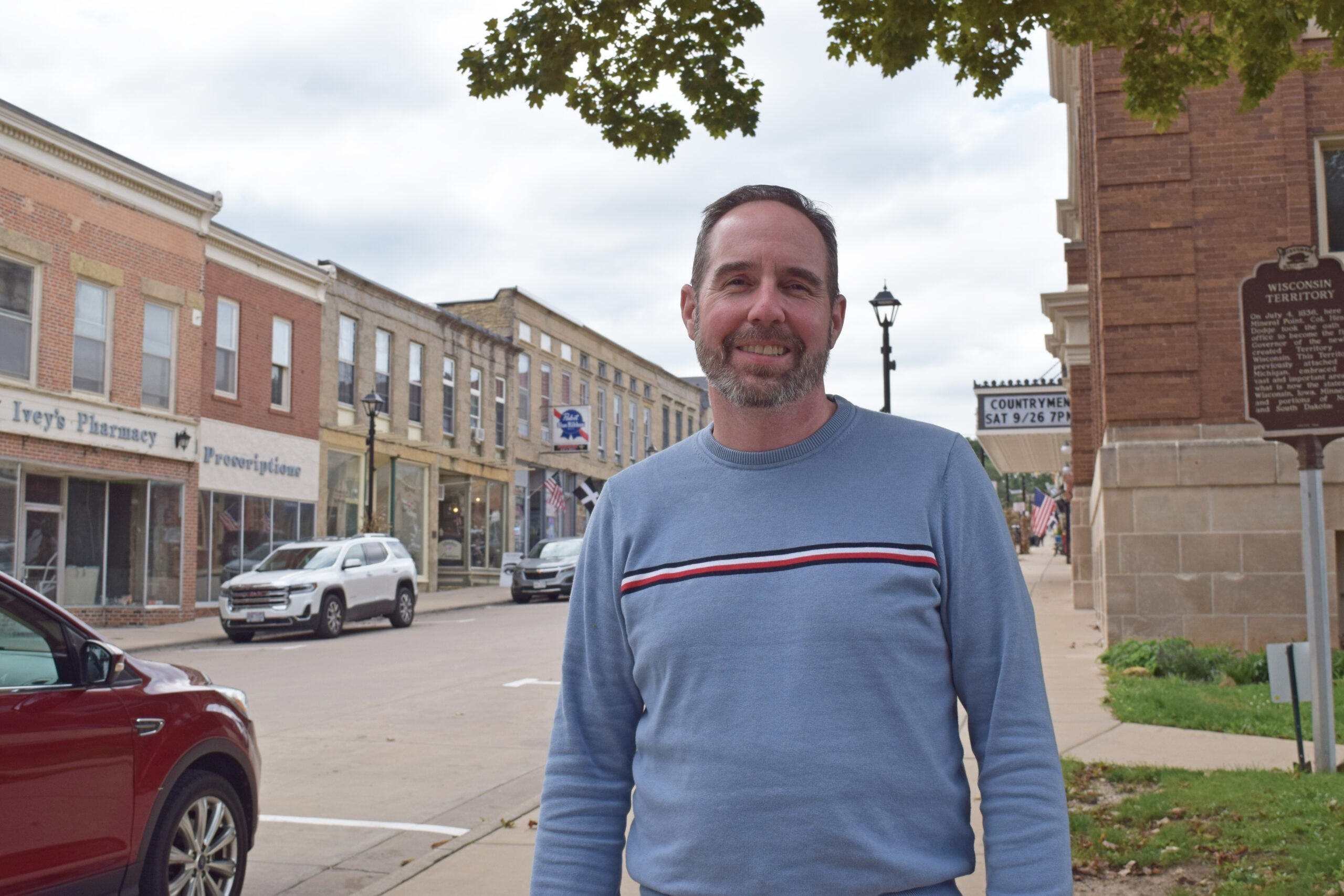
Mineral Point resident Matt Renwick said the outbreak has inspired him to talk to his teenage kids about the safety and importance of vaccines. Hope Kirwan/WPR
‘Every parent I’ve met wants to do the right thing’
Mineral point resident Matt Renwick said he’s been digging through a large box of old photos and school report cards saved by his parents in search of the paper booklet containing his childhood vaccination records.
“What’s hard is that I moved around a lot when I was a kid, so I don’t know,” Renwick said. “I’m still looking, but if I’m a close contact because I work in some schools, and if I can’t find documentation, I’d have to get my two measles shots again. That was not on my bingo card for this past year, but, you know, here we are.”
Renwick is a former elementary school principal who works as an educational consultant. He led his school through the COVID-19 pandemic, testing kids when the school nurse was overwhelmed and fielding vaccine questions after the shots became available. So he feels for the local school leaders who are having to navigate the current outbreak.
“This doesn’t seem as big, because just a lot of people had the vaccines already,” he said. “But it just takes away the focus of the schools. (It forces schools) to have to manage one more thing that really isn’t the school’s responsibility but gets thrust upon the schools.”
When he was a principal, Renwick said he tried to always be respectful when having conversations with parents about vaccines, even if their concerns were based on misinformation.
But personally, he is frustrated with federal leaders who have sowed doubt about the safety of vaccines and the ability to trust institutions.
“Every parent I’ve met wants to do the right thing by their child,” he said. “When you have an information ecosystem that is more fractured than it used to be, and you’re not really sure who to or what to believe, that can be very difficult.”
Because his two teenage kids are vaccinated, Renwick said his family has largely carried on with their normal lives. But he said the outbreak has prompted him to try to talk to his kids about measles and vaccines, hoping to counteract any misinformation they may come across on social media.
Renwick admitted that he has been hesitant to draw attention to his views. But he hoped that voicing his trust in the safety of the MMR vaccine could help others in his small community to do the same.
“I feel like this is something I’m doing that’s responsible,” he said. “Just taking action and making my voice heard. It’s not just my kids or my wife, I want everyone here to be safe and healthy. And if you get a few negative comments toward you, I think it’s worth it.”
In Wisconsin communities affected by measles, opinions on vaccines remain mixed was originally published by Wisconsin Public Radio.
If you think stories like this are important, become a member of Urban Milwaukee and help support real, independent journalism. Plus you get some cool added benefits.