

Environmental Coalition Calls For Pause In Data Center Development
Statewide coalition wants state to create sustainable development framework before more projects move forward.
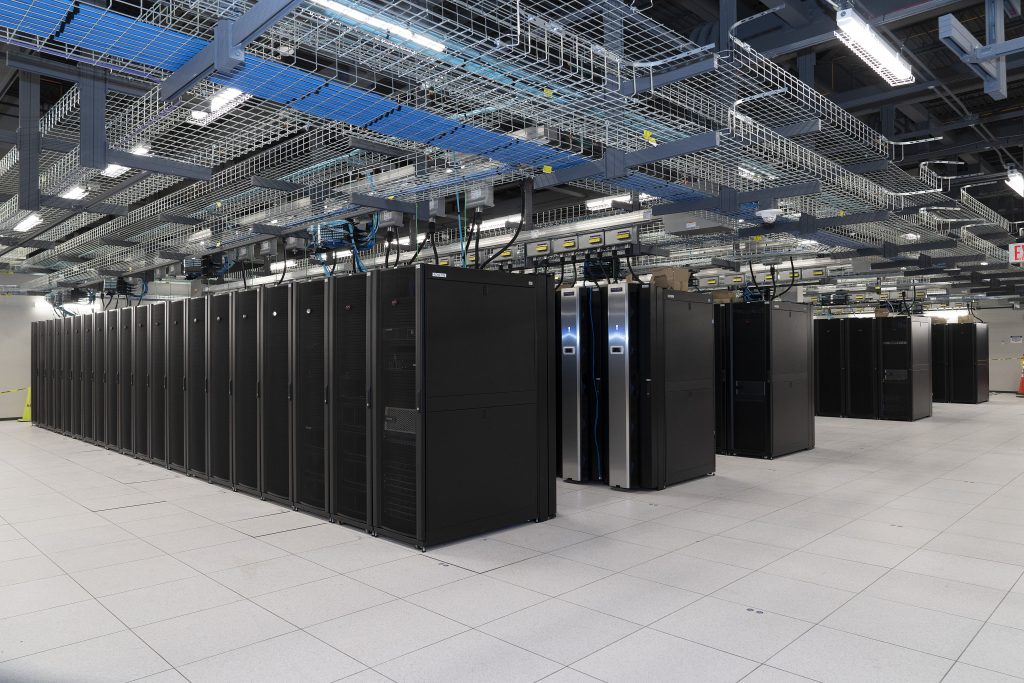
Data center. (CC0)
A large coalition of environmental organizations in Wisconsin is calling for a pause on data center development until plans are in place for protecting climate goals, energy infrastructure and energy ratepayers.
“Wisconsin finds itself at the center of a national debate surrounding data center development,” the Clean Economy Coalition of Wisconsin (CECW) said in a statement announcing the framework Friday. “Too often, this discussion suggests the state only has the ability to choose between prioritizing economic growth or meeting our state’s clean energy and climate goals.”
The coalition includes dozens of major nonprofits and advocacy organizations from across the state interested in protecting the environment, advancing a clean economy and addressing climate change.
The coalition has drafted a proposed framework for regulating large-scale economic development projects, with particular focus on data centers. The organizations are calling on the governor and the Legislature to work with local communities and state agencies to adopt the framework.
The groups see data center development moving too quickly and at an unprecedented scale, with the energy needs of planned data centers expected to quickly outstrip the energy consumption of all the residential consumers in the state. The coalition is worried data center development will lead to delays in shutting down coal-fired power plants and potentially spur investment in other fossil-fuel-powered energy infrastructure. They are also concerned about the impact rapid data center development will have on the state’s energy grid, the cost residents pay for utilities and the environment.
“By placing Wisconsin’s clean energy and climate commitments at the center of planning, Wisconsin’s leaders can steer data center development in a way that prioritizes energy affordability, safeguards public health, and upholds our clean energy and climate commitments,” the coalition said.
To protect these priorities, the framework includes 10 general policy solutions for state government to work toward:
- Ensure lower costs for ratepayers
- Lead with 100% clean energy
- Maximize investment in an array of non-fossil-fuel energy sources to meet demand
- Plan for future energy infrastructure needs
- Ensure prevailing wage and labor standards for the workforce involved in data center development
- Negotiate community benefits agreements between tech companies and local communities
- Engage local communities
- Protect taxpayers through responsible use of public funding for economic incentives
- Minimize water use and protect local natural resources
- Create consistent reporting requirements for environmental impact and energy use
The proposed framework stands in contrast to Republican-backed legislation that recently passed the Assembly. The bill would direct the Public Service Commission to ensure residential ratepayers are not covering the cost to construct or expand energy infrastructure for data centers, and requires them to recycle water used to cool servers. But critics point out that it does little to ensure data centers don’t drive further reliance on fossil fuels.
The bill requires renewable energy generation to occur on the property of any new data center. Democratic lawmakers who opposed the bill said the renewables provision locks data centers into fossil-fuel-generated power and makes it harder to add more renewable energy to the grid.
Republican Assembly Speaker Robin Vos said the provision prevents people who “don’t want to live across from a solar field” from paying for somebody else’s power needs.
State Rep. Robyn Vining said the legislation was “rushed” and fails to protect residents from rising energy costs. She also called data center regulation “one of the most important issues” currently before the Legislature.
The coalition is asking for the state to put the brakes on further data center development until a comprehensive framework is adopted.
“While we recognize the immediate and time-sensitive factors driving data center developments, we urge state leaders to take a holistic, forward-looking approach – one that balances speed-to-market timelines with long-term sustainability, affordability, and reliability practices,” the coalition said.
Legislation Link - Urban Milwaukee members see direct links to legislation mentioned in this article. Join today
If you think stories like this are important, become a member of Urban Milwaukee and help support real, independent journalism. Plus you get some cool added benefits.

















Vos wants to protect “residents” who don’t want their scenic views sullied by renewal energy. He cares not one whit for residents whose water, air, and land are polluted by unchecked economic expansion. On top of that, the pathetic requirements for protecting residents from increased rates, relies on the PSC. The PSC is notorious for increasing consumer energy rates.
The 10-policy proposal put forth by the CECW brings all stakeholders to the table. It protects this state from another Foxconn fiasco.
mkwagner,
I like your “residents” comment.
Nobody talks about the energy requirements needed for these AI data centers.