

The Bear Facts; Complaints About Them Rising
847 complaints this year. All those birdshot pellets making things worse?
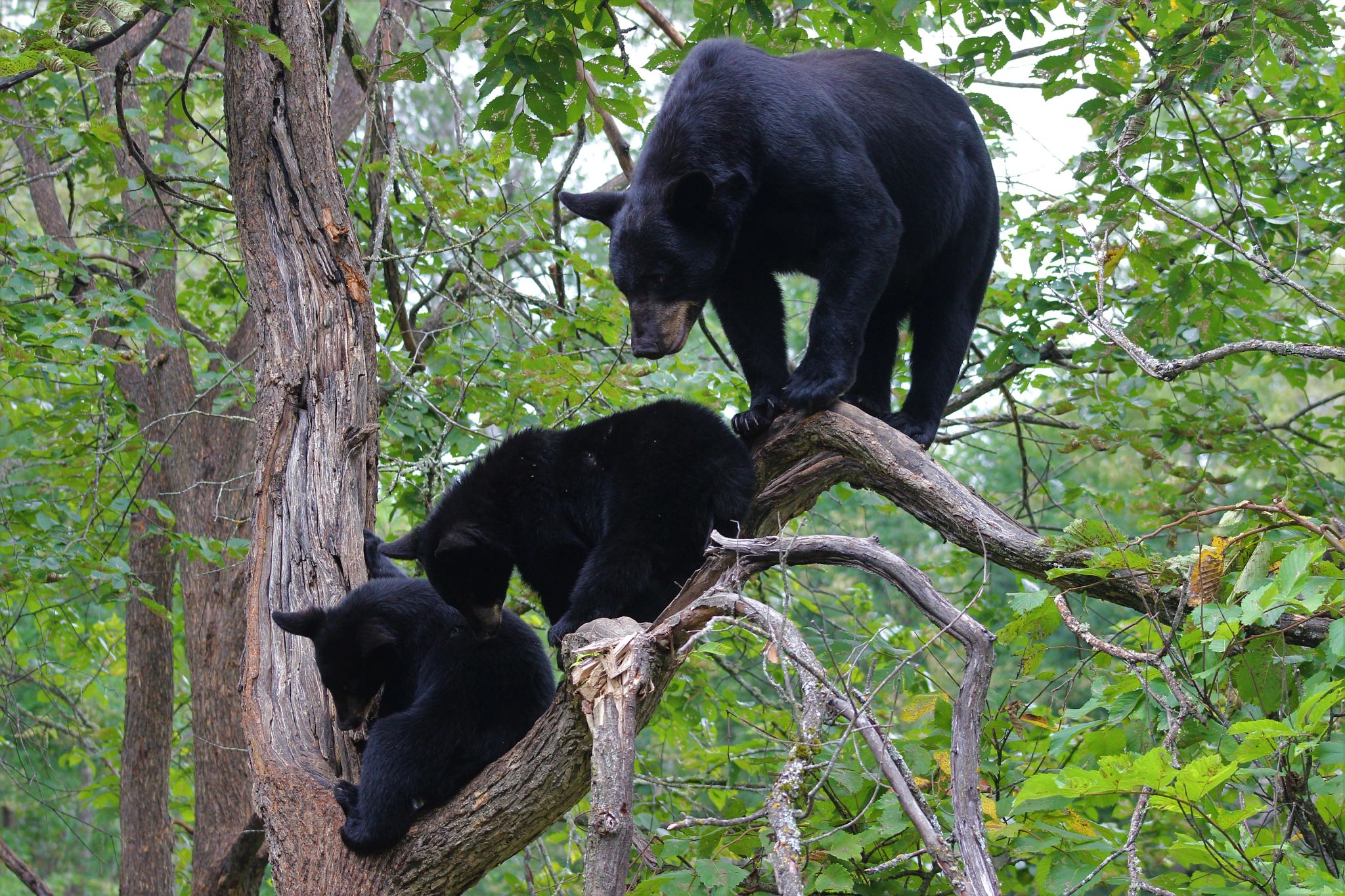
The Wisconsin Department of Natural Resources urges people to take steps to avoid attracting bears. (Photo courtesy of the U.S. Fish and Wildlife Service)
Bear complaints in Wisconsin have been on the rise in recent years, and a new study seeks to pinpoint whether there is widespread use of birdshot to deter problem bears.
Birdshot refers to shotgun shells that are filled with tiny pellets generally used for hunting birds. This fall, students at the University of Wisconsin-Stevens Point began investigating the prevalence of birdshot in black bear carcasses by working with bear processors to detect the pellets.
Examining the prevalence of birdshot in bears has been identified as a priority under the state’s black bear management plan, said Cady Sartini, associate professor of wildlife ecology and the project’s principal investigator.
“It can seem to people like it’s not a big deal to shoot a bear with pellets. It’s a big animal, and you’re just giving them a little bit of extra encouragement to leave your property and not come back,” Sartini said. “But in reality, we don’t really know the full scope of everything that could happen to those animals once they’ve been shot with those pellets.”
Bears may sustain injuries from birdshot that could lead to larger health problems for the animals or more conflicts as bears dig through humans’ trash or otherwise enter their spaces, said Jena Garceau, a UWSP senior and Safari Club fellow.
“If the bears are shot in the wrong spots … sometimes what can happen is the bear can’t naturally forage correctly anymore,” Garceau said. “(Bears) will actually end up relying more on human food sources, so it can actually make the problem worse.”
Wisconsin’s bear population has remained relatively stable at roughly 24,000 bears, but bear complaints have been rising in recent years. There were 647 bear complaints in Wisconsin in 2023; this year there were 847, according to data from the U.S. Department of Agriculture’s Wildlife Services program.
The recent increase is largely driven by nuisance bears that target bird feeders and trash cans, with most reports occurring across far northwestern Wisconsin. The state generally sees an uptick in nuisance complaints when less natural food is available, said Randy Johnson, large carnivore specialist with the Wisconsin Department of Natural Resources.
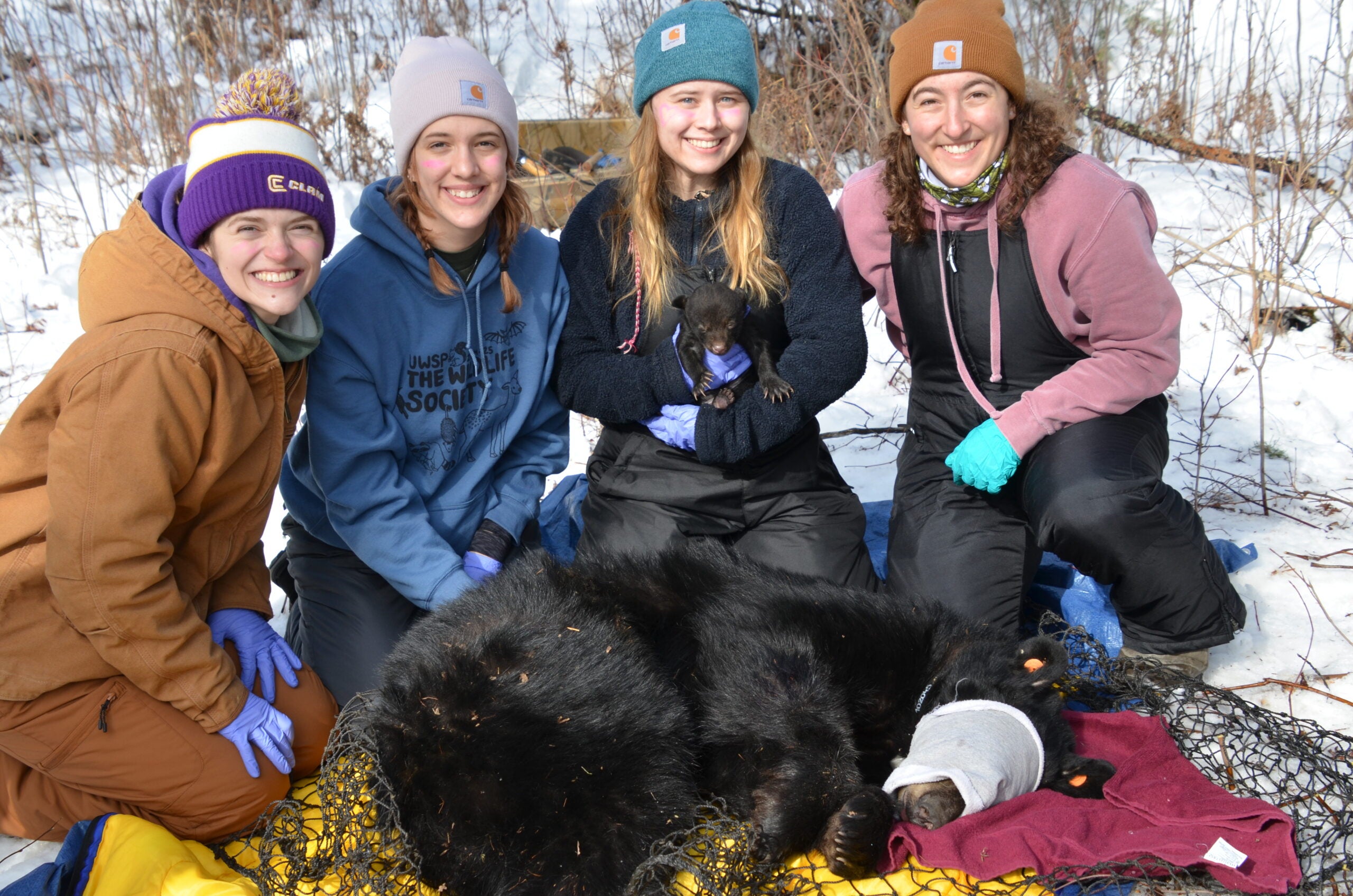
(From left to right) UW-Stevens Point students Jena Garceau, Alaina Hibbard, Emily DeVetter, and Adrienne Cohoon pose with a black bear and her cub before putting her back in her den after collecting data as part of the Stephens Family Foundation Wisconsin Black Bear Research Project this year. Photo courtesy of Cady Sartini
Next year, Sartini’s student research team plans to collect surveys from bear processors to obtain data following the fall bear season. The group is working with eight processors so far, and they’re looking to collaborate with more. Senior Will Watry said processors can typically identify the use of birdshot by noticeable scar tissue or the presence of pellets in bear carcasses.
“We’re hoping to gain some more information about the location of where the bear was harvested, more accurate information about the proportions of bears that are processed that we find birdshot in and then also some hunter information if possible,” Watry said.
Garceau said their goal is to pin down more accurately how often birdshot is used and where in the state it’s occurring most in order to “better educate people so that they don’t feel the need to shoot bears with pellets.”
Johnson said he hopes the use of birdshot is declining.
“We have so many resources available to people that this is just not an acceptable solution to damage, to shoot a bear with birdshot,” Johnson said. “But obviously it still persists out there.”
Instead of shooting bears, Sartini’s research team recommends taking down bird feeders, cleaning grills and keeping garbage stored inside buildings until the day it’s collected. They also urged residents to check out the national BearWise program on ways to prevent conflicts and resolve problems with bears as their population expands into southern Wisconsin.
Bear processors interested in taking part in the study can contact Cady Sartini at UW-Stevens Point. The group hopes to release their findings in spring of 2027.
Wisconsin bear complaints are up. Are shotgun pellets making things worse? was originally published by Wisconsin Public Radio.
If you think stories like this are important, become a member of Urban Milwaukee and help support real, independent journalism. Plus you get some cool added benefits.























Your gonna shoot them with bird shot wouldn’t repellent work better.