

Wisconsin Faces Possible Cuts in Federal Housing Funds
Could leave 170,000 in US homeless, including many in Milwaukee.
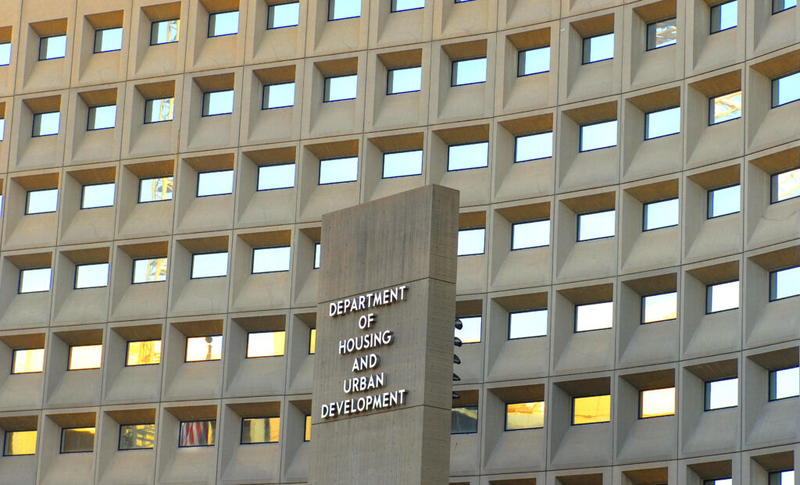
The U.S. Department of Housing and Urban Development headquarters. (Photo by HUD Office of Public Affairs)
A proposed budget from the U.S. Department of Housing and Urban Development (HUD) that cuts funds which have meant the difference between shelter and homelessness for about 170,000 people nationwide has left communities scrambling. In Wisconsin, the cuts are projected to cause the loss of permanent housing for 2,379 people according to a report by the National Alliance to End Homelessness. The loss of funds would hit early in the new year, leaving local governments to absorb the fallout in the middle of winter.
The people the CoC program serves, Ludin said, include “families, children, seniors, veterans, those who are survivors of domestic violence,” and others who are “not just the stereotypical image that people get when they think of a homeless person.”
In Milwaukee County, over $12 million in CoC funds covers direct rent payments to help provide housing for vulnerable county residents. The investments help support thousands of people across more than 20 housing programs.
CoC funding in Milwaukee County supports housing for:
- over 770 children;
- 154 young adults between 18 and 24 years old,
- 560 working-age residents from 25 to 44 years old,
- 590 people between the ages of 45 to 64,
- 826 people with no income at all,
- 347 who earn only $500-$1000 a month,
- 1,049 people diagnosed with mental health disorders,
- 321 people with physical disabilities,
- 123 with co-occurring substance use disorders,
- 549 people who’ve remained in housing for over five years,
- and 610 people who’ve maintained housing for 1 to 2 years.
HUD has also proposed capping permanent housing support at 30%. In Milwaukee County 89% of CoC funds are dedicated to permanent housing beds. The picture isn’t much different for Dane County (where 78% of CoC funding goes to permanent beds), or Racine County (where 80% of CoC funding supports permanent beds).
HUD announced the cuts saying they will help fulfill President Donald Trump’s “Ending Crime and Disorder on America’s Streets” executive order. HUD claimed that cutting support for permanent housing beds across the country will restore “accountability to homelessness programs” while promoting “self-sufficiency among vulnerable Americans.”
HUD Secretary Scott Turner has said that restricting and cutting permanent bed funding is “ending the status quo that perpetuated homelessness through a self-sustaining slush fund.” In a press release announcing the cuts, HUD criticized “the failed ‘Housing First’ ideology, which encourages dependence on endless government handouts while neglecting to address the root causes of homelessness, including illicit drugs and mental illnesses.”
Housing First is an approach to addressing homelessness that prioritizes placing individuals in permanent and stable housing. One 2022 study — which noted that chronic homelessness in the U.S. costs up to $3.4 billion — found that the economic benefits of implementing Housing First programs outweigh the costs of the programs. In 2023, the U.S. Department of Veterans Affairs published a research brief highlighting that “strong evidence exists that the Housing First model leads to quicker exits from homelessness and greater housing stability over time compared with treatment as usual.” It also stated that studies on the Housing First Model — four of which were reviewed to compile the research brief — show that the model “results in greater improvements in housing outcomes for homeless adult populations in North America.”
Milwaukee County Executive David Crowley, who credits the county’s Housing First approach for a sharp reduction in homelessness, told the Examiner, “I am deeply concerned about the Trump administration’s move to slash permanent housing funding. This decision will destabilize housing for people across the country and it threatens the real progress we have made in Milwaukee County through our Housing First program.” Crowley noted that Milwaukee County has been recognized for having the lowest number of unsheltered homeless residents count per capita in the country, “and we are looked at as a national leader in this space. As someone who knows what housing insecurity feels like, I will pull every lever I can to protect working families and expand access to permanent housing so we can keep our state moving forward.”
Especially in the winter, the HUD cuts could have troubling consequences. “We don’t have any state protection that prohibits people from being evicted in winter,” said Lundin, who lives in Wisconsin. “If this goes through it would be happening in the worst time here in Wisconsin in the middle of the winter.”
Moore said in the statement, “as per usual with this administration, it is the most vulnerable, like domestic violence survivors and LGBTQ youth, who would be hit the hardest. The Trump Administration’s proposal disregards Congress’s intent and would be catastrophic, putting 170,000 Americans at risk of homelessness. I am pleased to have joined my colleagues on several letters opposing these changes. House and Senate Members on both sides of the aisle have also pushed back because they recognize what it would do: Move us backward in the fight to end homelessness.”
Advocates are urging members of Congress to support a final HUD spending bill that increases funding for housing vouchers and protects CoC funds for permanent housing. The House and Senate version of a bill to fund HUD’s affordable housing, community development, and homelessness services programs differ by billions of dollars as the two chambers work to hammer out a year-end spending deal.
Wisconsin grapples with prospect of losing federal housing funds was originally published by the Wisconsin Examiner.
If you think stories like this are important, become a member of Urban Milwaukee and help support real, independent journalism. Plus you get some cool added benefits.
Political Contributions Tracker
Displaying political contributions between people mentioned in this story. Learn more.























Just plain doing evil for the sake of evil with this administration.
The funding HUD intends to cut, come from tax dollars working families have paid. It seems increasingly tax dollars paid by working families in this country go to subsidize the obscene lifestyle of the rich. HWSNBN is orchestrating the transfer of wealth from the poorest to the richest. Any rational thinking Americans know this is not sustainable.
HUD criticized “the failed ‘Housing First’ ideology, which encourages dependence on endless government handouts while neglecting to address the root causes of homelessness, including illicit drugs and mental illnesses.”
HUD criticizes the successful Housing First ideology which takes those who are homeless regardless of drug use or mental illness, puts them in housing, and offers ongoing case management to assist them in reaching their goals. HUD’s new policies within the Notice of Funding Opportunity (NOFO) eliminates drug use and mental illness from their definition of a person with a disability and therefore are not prioritized for services.
AGAIN, the hypocrisy is maddening. And in this case dangerous.
Also, homeless organizations do submit quarterly performance reports based on the system performance measures developed by HUD and are monitored on a regular basis by HUD employees. These are successful programs dealing with a difficult population.