
Karofsky Urges Lawmakers To Fund Court Security, Mental Health Support
Chief justice says Wisconsin judges face rising threats and burnout as resources lag behind.

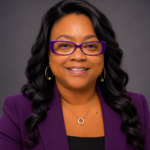
Jill Karofsky. Photo courtesy of Jill Karofsky’s campaign.
A year after cautioning that the state of Wisconsin’s judiciary is “troubled,” Wisconsin’s chief justice said that the state’s court system and employees have been resilient in the face of threats and other challenges.
At her annual State of the Judiciary address Wednesday, Justice Jill Karofsky called, again, for funding for increased security in courts across the state, and encouraged her colleagues to work with legislators to advocate for their financial needs.
“Resiliency is not the same as security, and resiliency is not a staffing plan. It’s not dollars allocated in a budget,” she said. “Judges should not have to be heroic to be safe, and courts should not have to run on grit alone.”
Threats against judges have become a disturbing regular occurrence nationally, and the Wisconsin Supreme Court has advocated for more money for security statewide.
Last year, a man was charged with stalking Karofsky, and on Wednesday, she laid out several more instances of harassment and intimidation against judges. Karfosky said, last year alone, Wisconsin judges reported 129 security threats. There are 284 elected judges and justices across Wisconsin’s circuit, appeals and supreme courts.
The high court has routinely requested more money for safety since 2023, the year after a retired Juneau County Circuit Court judge was murdered in his home.
Karofsky said on Wednesday that the court’s upcoming budget request would include money for permanent security staff and for counties to buy safety equipment and hire security staff.
“These requests, they’re modest, they are responsible and they are vital, and they must be funded. Full stop,” she said. “Safety is also about independence. A judge who is afraid cannot decide a case without fear or favor. No threat from anyone can be allowed to decide a case.”
Stressing the importance of mental health
Karofsky also focused her remarks on the mental health of court workers, and began her speech with a disturbing story.
Out on a run three years ago, she said, she encountered a young woman with indications of having been drugged and trafficked. After Karofsky called the police, the woman began to seize, and police officers told Karofsky to hold her head in place while they found naloxone.
“For those few minutes, I thought she might die in my arms,” Karofsky said.
The young woman survived. And Karfosky said the incident taught her two valuable lessons about the judiciary.
The first, she said, was about how judges support one another. After that incident, she said, she was roundly comforted by her colleagues on the high court, including her ideological opposition.
“The last call came from Justice Rebecca Bradley,” Karofsky said, referring to the former conservative firebrand who recently left the court.
“I still remember exactly where I was sitting,” Karofsky went on. “She told me she thought I’d saved someone’s life that day, and that’s when it hit me. I sat there, and I cried, and she stayed on the phone with me.”
The second lesson, Karofsky said, was a reminder of the trauma that plays out in courtrooms, and the long-lasting effects that that can have on mental health. Faced with long hours and declining resources, especially in rural courtrooms, she said lawyers and judges risk burnout and worse.
“Trauma permeates so much of our work. It’s important to recognize its impact on us and the people who enter our courtrooms,” she said. “So please, please hear me. Asking for help is not a weakness. It is part of doing the job well.”
Wisconsin Chief Justice Jill Karofsky stresses court safety, mental health was originally published by Wisconsin Public Radio.
If you think stories like this are important, become a member of Urban Milwaukee and help support real, independent journalism. Plus you get some cool added benefits.