As Supplier Backs Out, Milwaukee Scrambles To Maintain Fluoride In Water
No bids for a new contract left the utility cutting fluoride doses while hunting the open market for shipments.
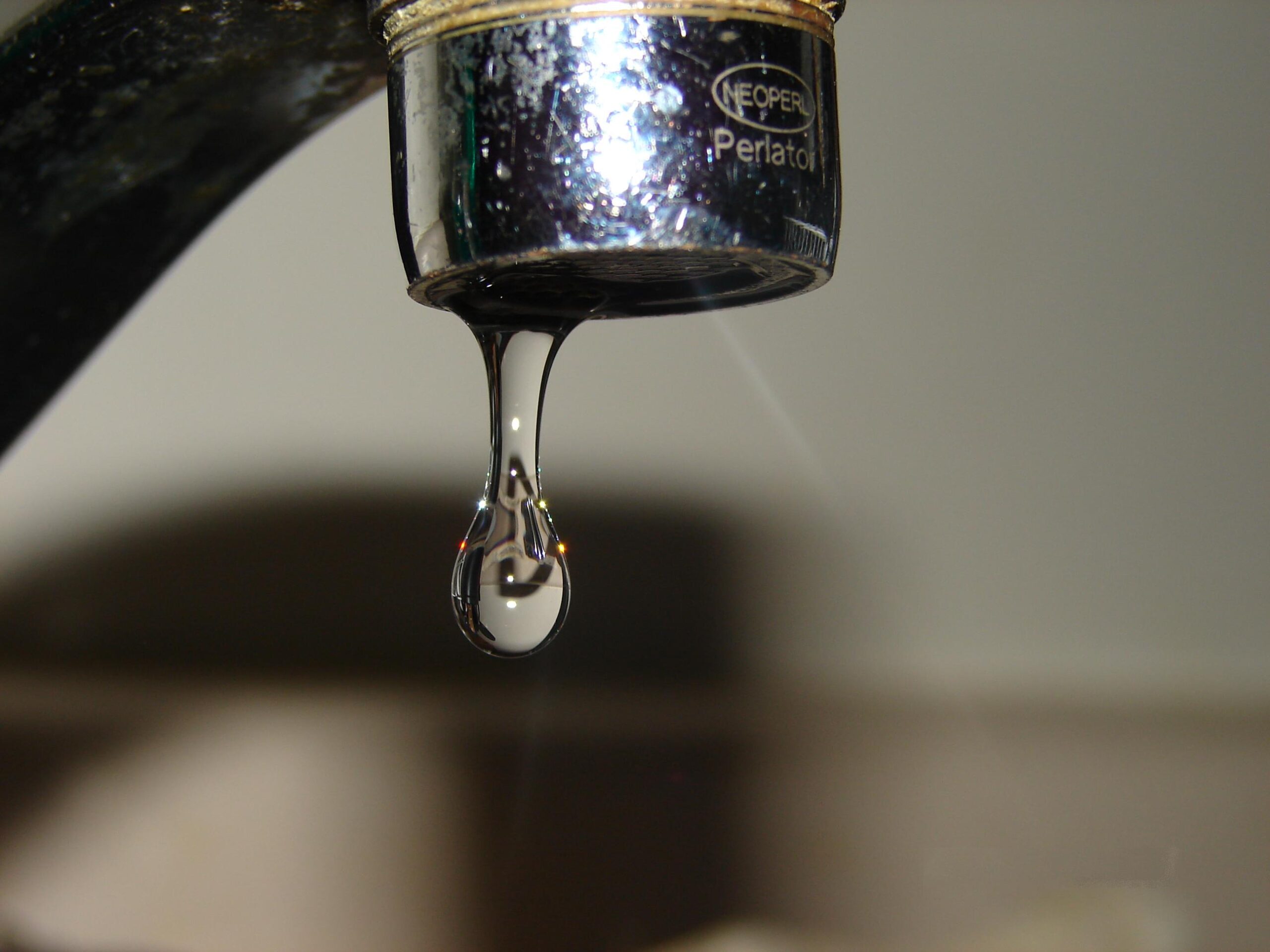
Photo: Public Domain.
Milwaukee Water Works has cut the amount of fluoride it’s adding to drinking water in half due to supply chain constraints, as water utilities nationwide have faced a shortage this year.
On July 31, Milwaukee’s water utility began reducing the amount of fluoride added to drinking water from between 0.6 and 0.7 milligrams per liter to 0.3 milligrams per liter. Milwaukee Water Works Superintendent Patrick Pauly said the temporary fluoride reduction doesn’t affect the safety of the city’s drinking water that’s supplied to around 950,000 customers in southeastern Wisconsin.
In June, the utility’s previous supplier of fluoride, Texas-based Pencco, notified Milwaukee Water Works that it would not renew a one-year contract due to supply shortages. Pauly said the city’s water utility issued a request for bids to find a new supplier, but it didn’t receive any response.
“We then needed to, in order to stretch our existing supply, reduce the amount of fluoride we are adding to the water,” Pauly said.
The utility’s contract with Pencco expired last week, and Pauly said they supplied about 20 fluoride shipments of 45,000 pounds each. The utility’s current supply will last around three to four months, depending on water consumption.
In April, water utilities on the East Coast said they were reducing fluoride levels, citing supply disruptions due to the Iran War. Pauly said its supplier notified them of supply chain issues in April due to the ongoing conflict.
“But more recently, we have been told that it has little to do with Israel and the war in the Middle East, and this is a domestic supplier challenge,” Pauly said.
More need ‘than we can necessarily guarantee’
Emily Horne, a spokesperson for Pencco, said the company works exclusively with a fluoride manufacturer that has maintained supplies, but it seems there’s less fluoride to go around.
“We’ve had to just be very thoughtful about where we bid to make sure that we can supply the customers that we have,” Horne said. “We’re trying to make sure that we’re not overcommitting ourselves, but we’re seeing no one else is necessarily able to fill in the gap whenever cities need more supply than we can necessarily guarantee.”
Univar Solutions is a leading distributor of water treatment chemicals, including fluoride. John Fulcher, Univar’s director of water treatment, said there’s a limited number of major manufacturers nationwide who are facing a variety of challenges, including tariffs that have affected production.
“It’s just like a perfect storm of just a lack of production from the major producers,” Fulcher said. “Unfortunately, we don’t have access to more fluoride somewhere else to be able to meet the demand of these drinking water plants.”
Fulcher said the ongoing conflict in the Middle East has driven up prices for sulfur, which is used to manufacture phosphate fertilizers. Fluorosilicic acid, or fluoride, is a byproduct of phosphate fertilizer production.
Fulcher said dozens of water utilities across the country have made inquiries about their fluoride supply. The chemical distributor has tried to find other sources from old producers or competitors, but it’s also prioritizing supply for customers already under contract.
Searching for a new vendor
Milwaukee Water Works, like many Wisconsin water utilities, adds fluoride to drinking water to prevent tooth decay in line with federal recommendations. Some communities in Wisconsin have stopped using fluoride, however, as U.S. Health Secretary Robert F. Kennedy Jr. has challenged the science supporting the addition of fluoride to drinking water, calling it a “dangerous neurotoxin.”
Pauly said he believes the “overwhelming science” highlights the public health benefits of fluoride use. He added that the Wisconsin Department of Natural Resources informed him no other water utilities had reported fluoride shortages.
The DNR doesn’t require fluoridation of water supplies in the state, said Steve Elmore, director of the DNR’s Drinking Water and Groundwater Program. During a meeting Thursday, Elmore said the agency is aware of the current shortage.
“We want people to be aware if they’re having trouble with keeping a supply of fluorosilicic acid to notify the DNR if there’s any changes to the fluoride feed rate,” Elmore said.
Elmore said changes to fluoride levels don’t have an impact on water quality, but people may want to take steps to maintain their oral health.
Meanwhile, Pauly said the utility has been in conversations with another vendor, and the utility is continuing to search for fluoride shipments on the open market outside of the city’s formal procurement process.
Milwaukee Water Works reduces fluoride in drinking water by half due to shortage was originally published by Wisconsin Public Radio.
If you think stories like this are important, become a member of Urban Milwaukee and help support real, independent journalism. Plus you get some cool added benefits.